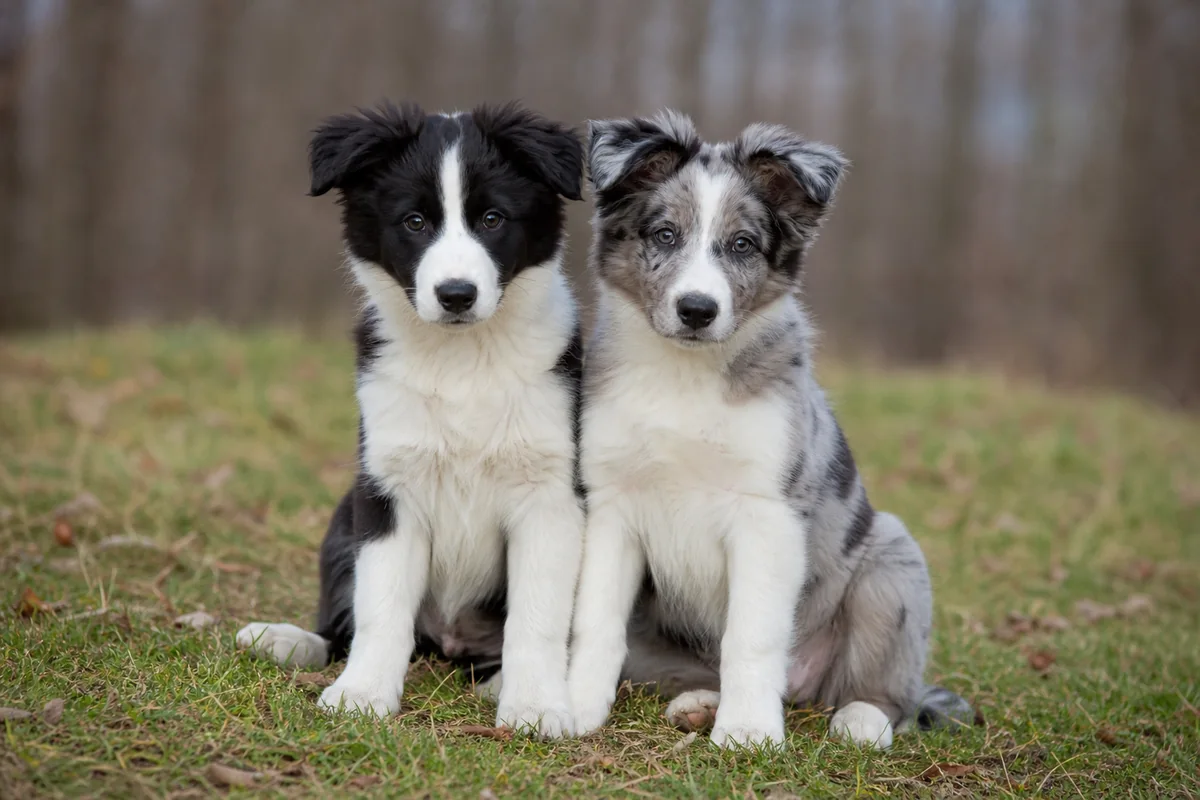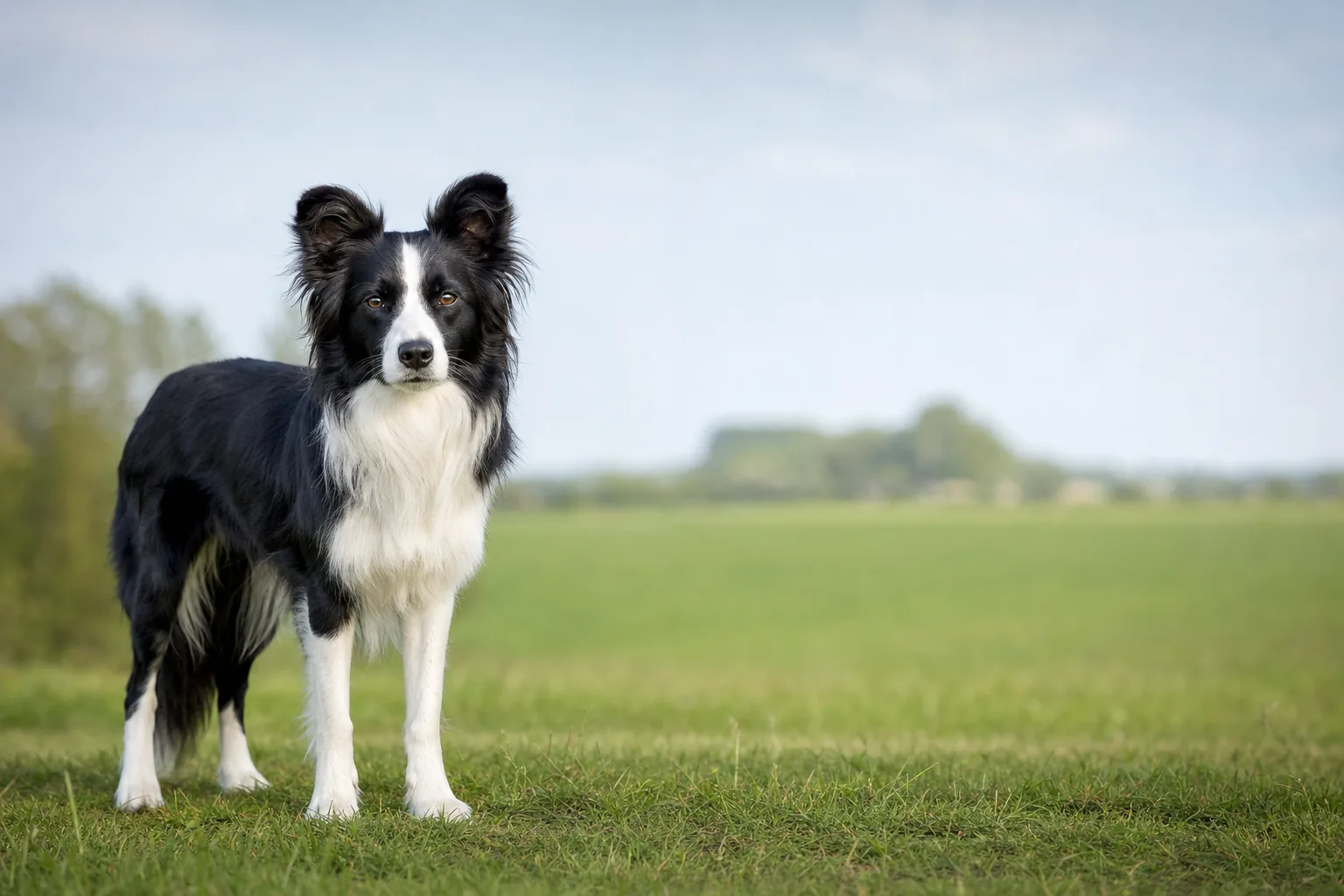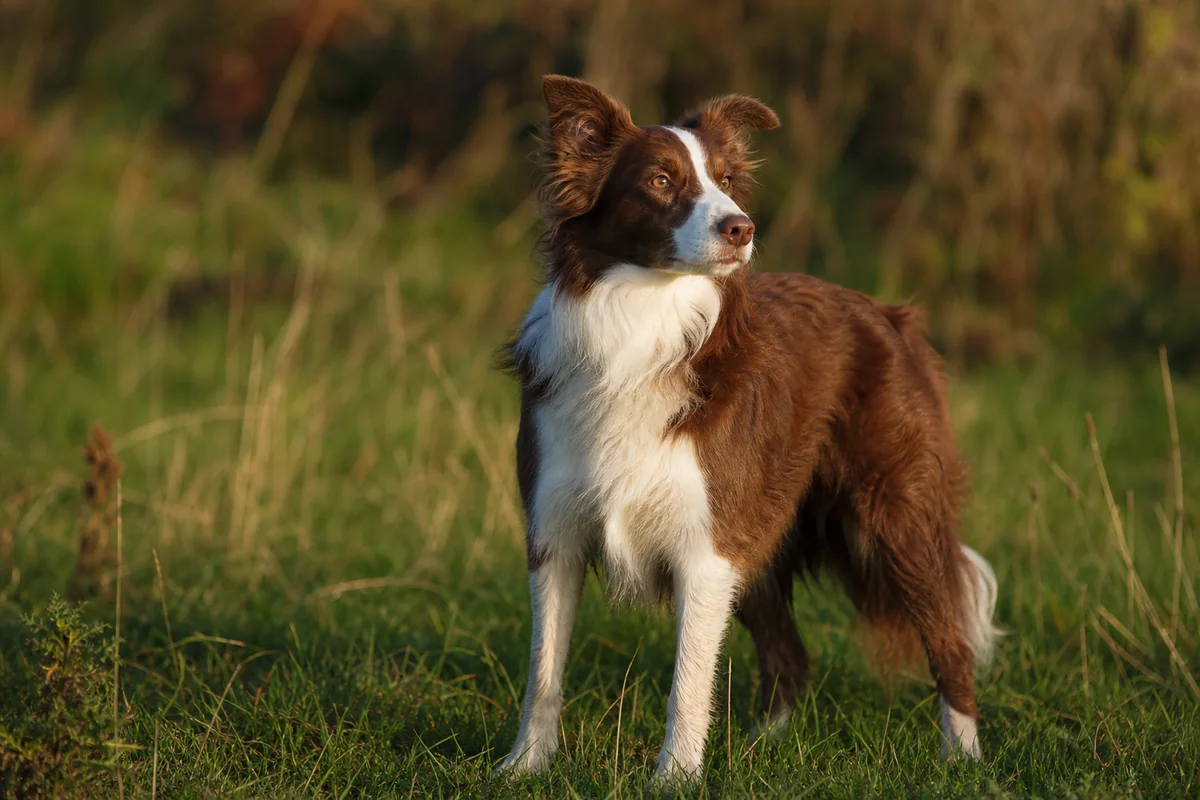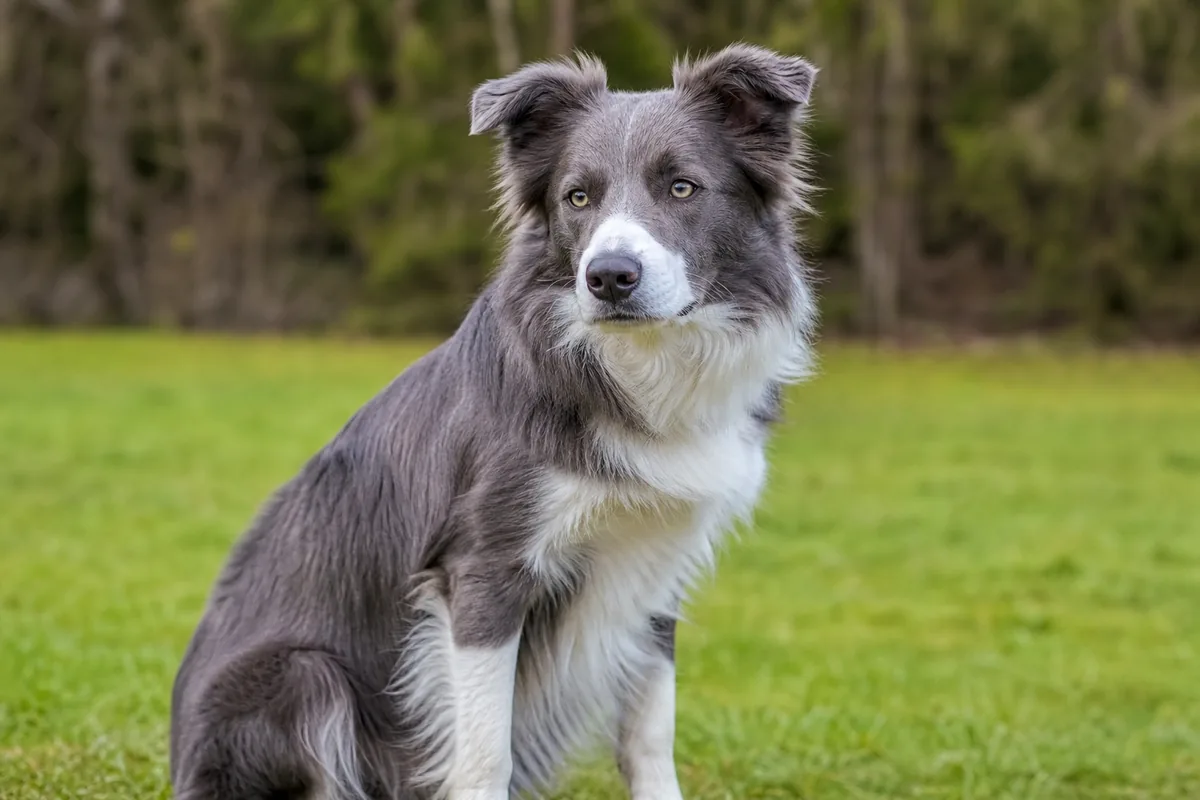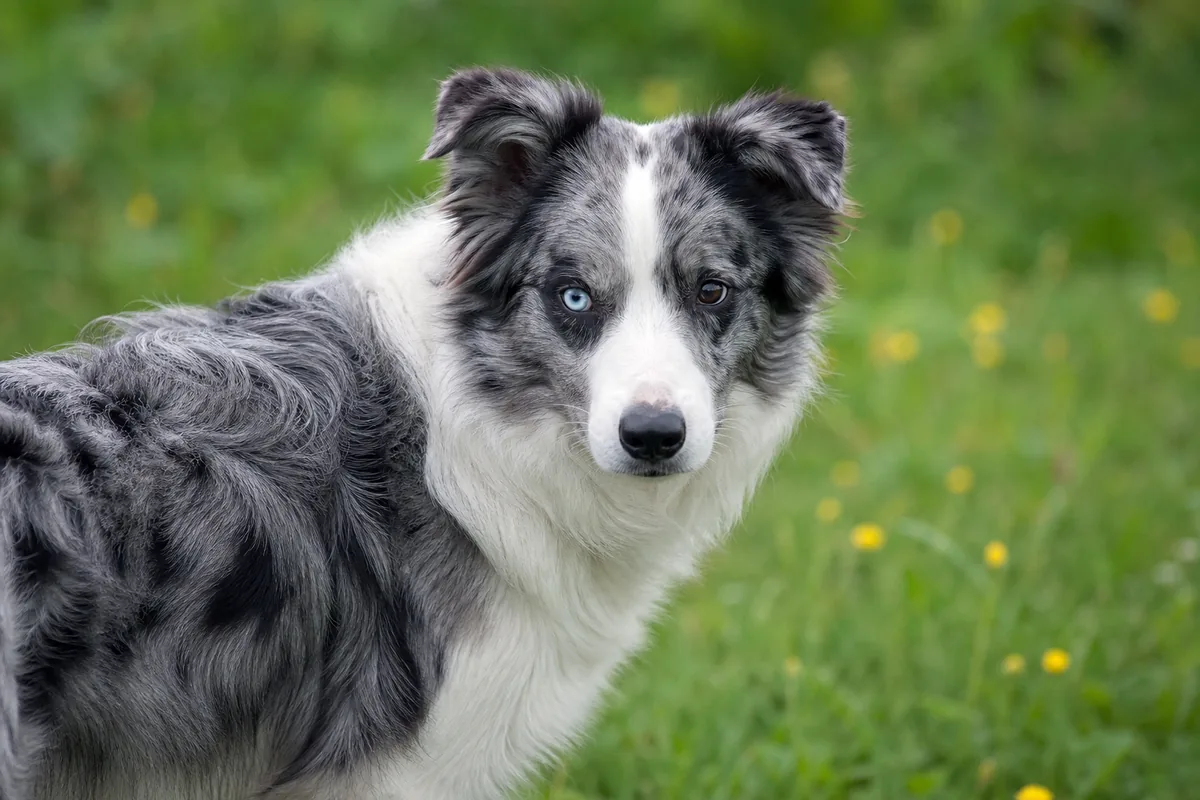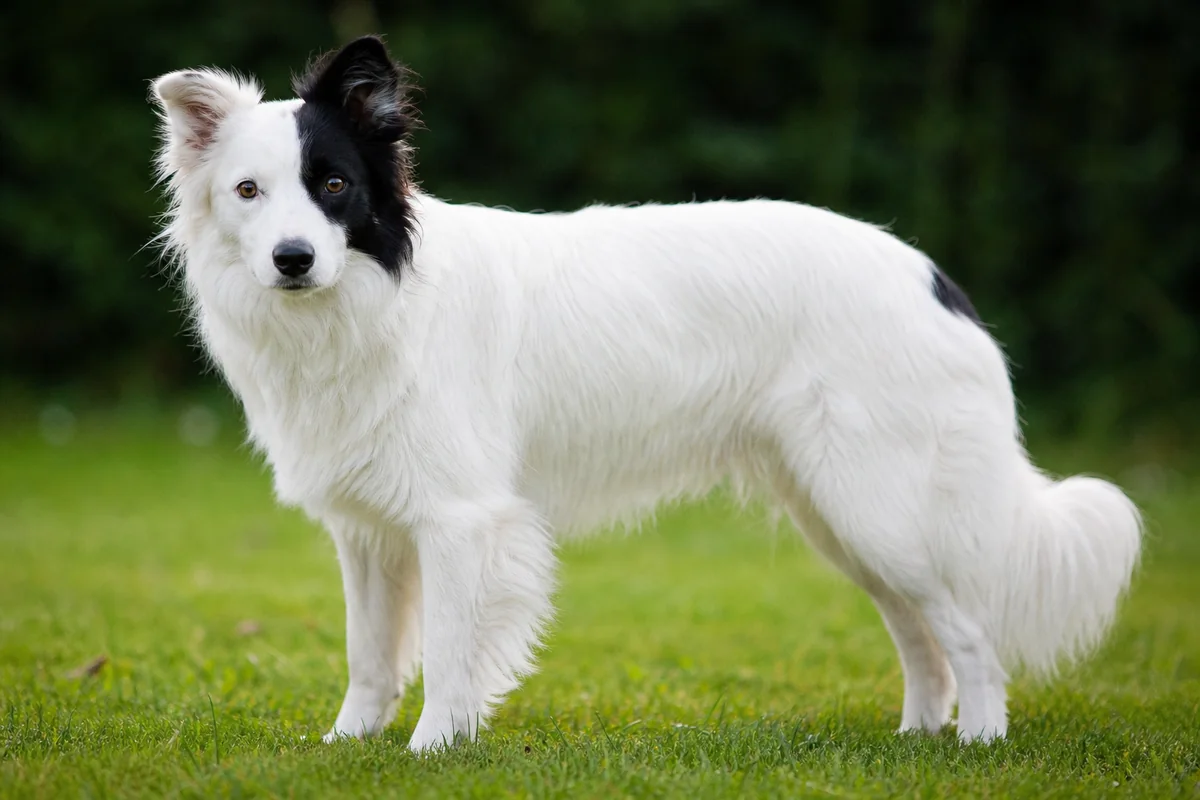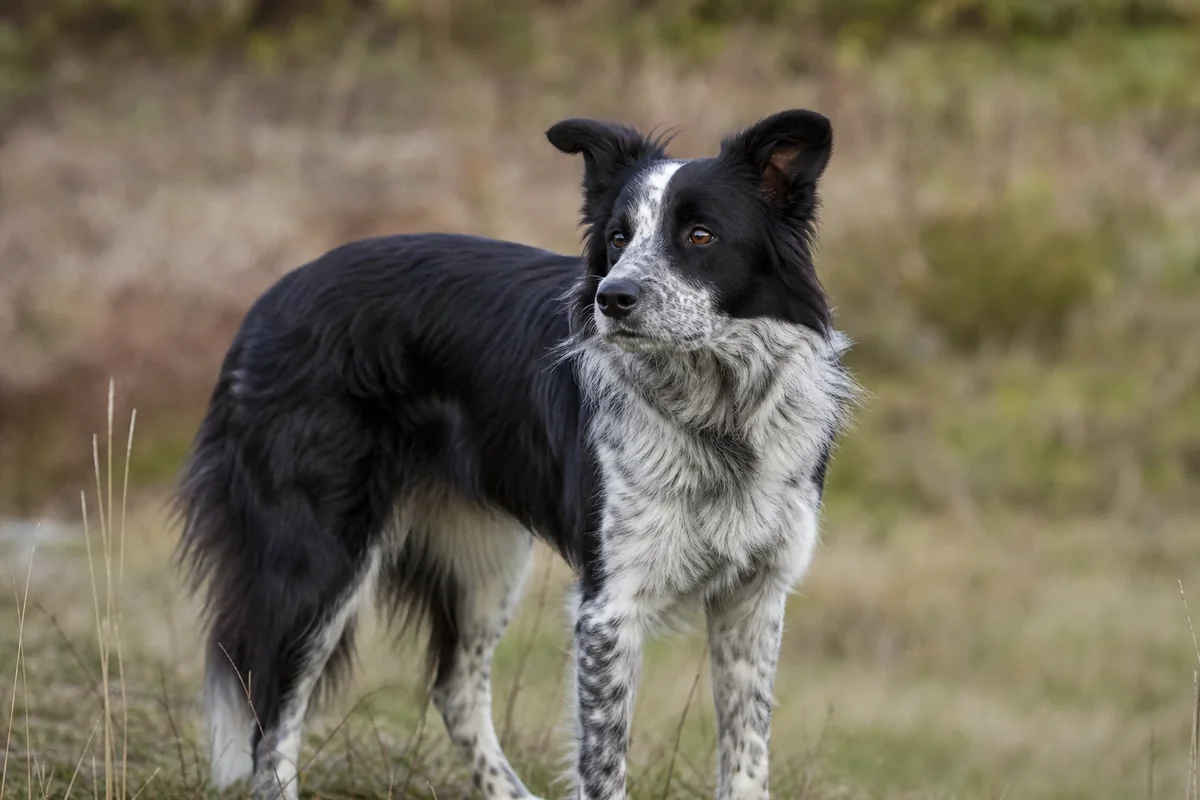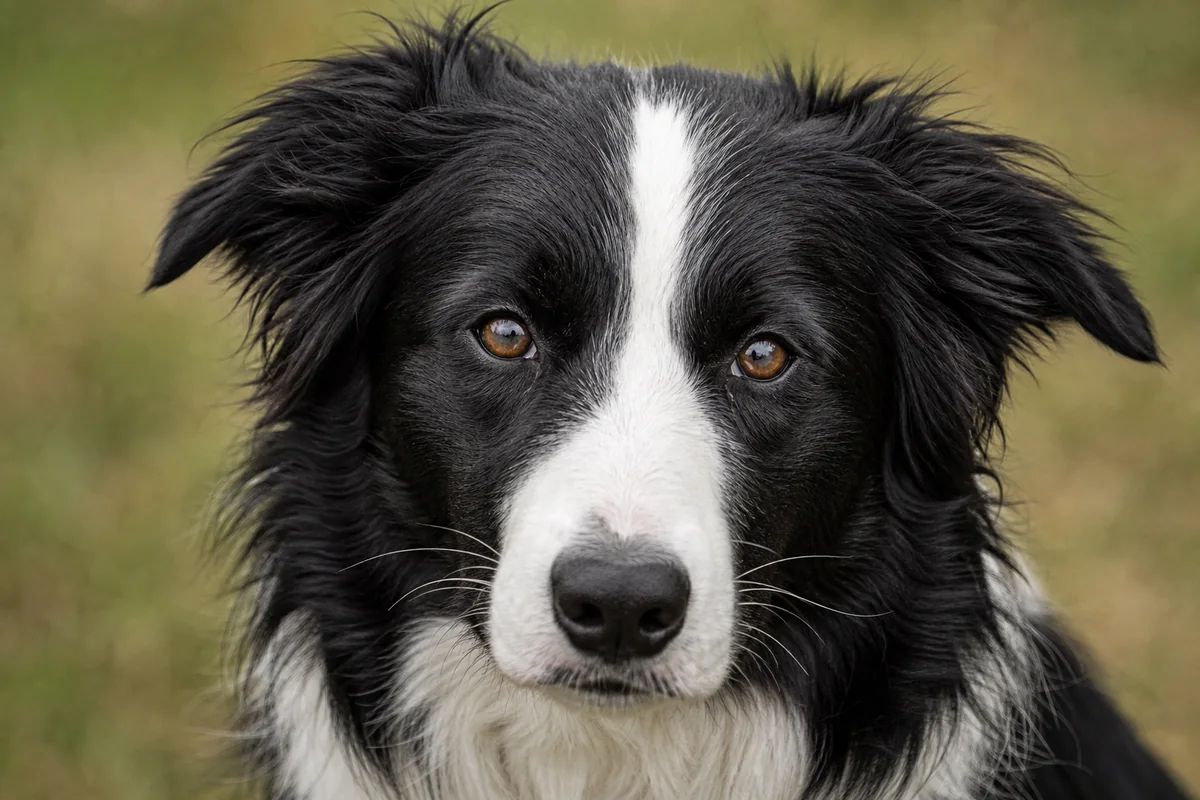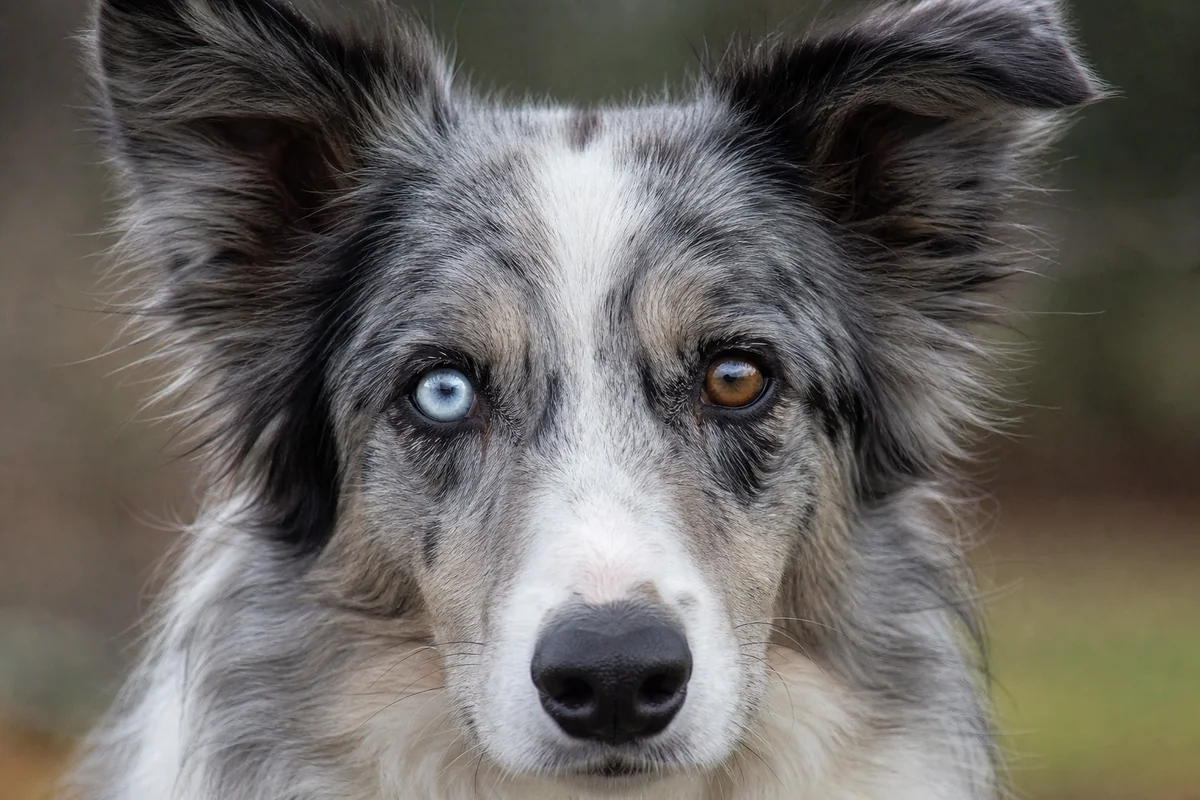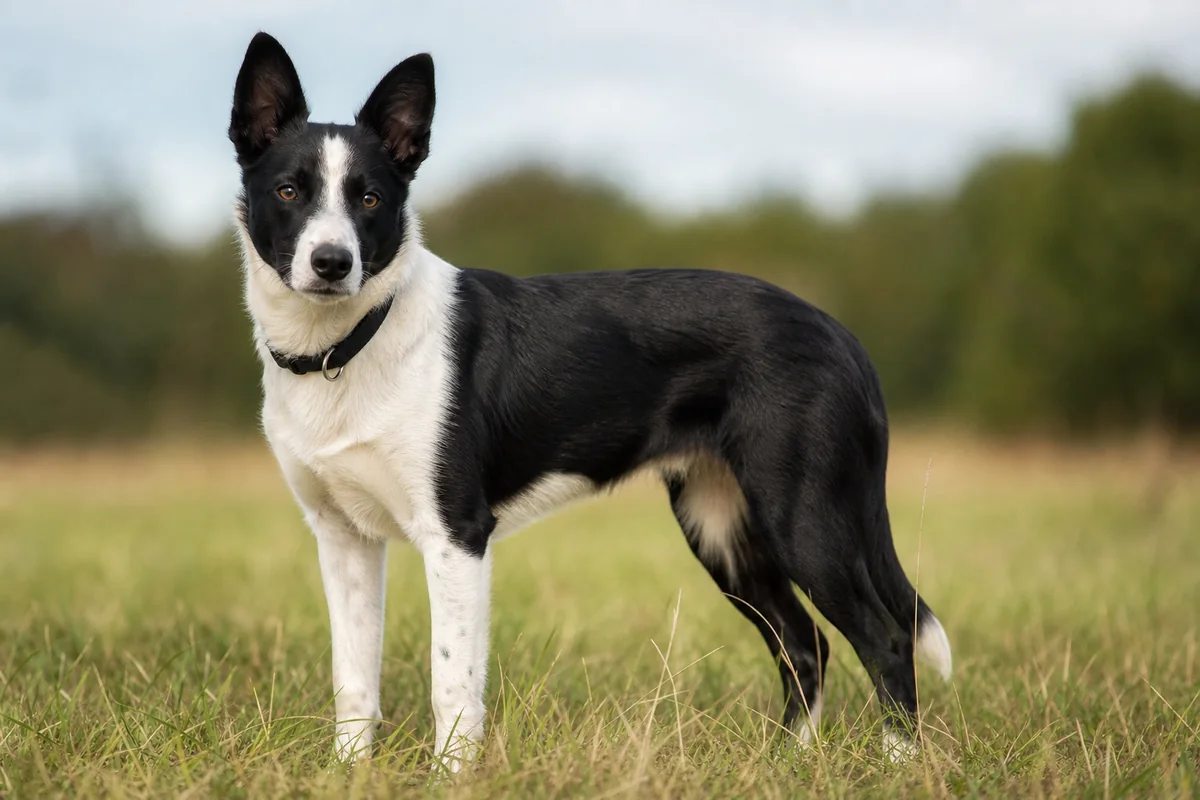
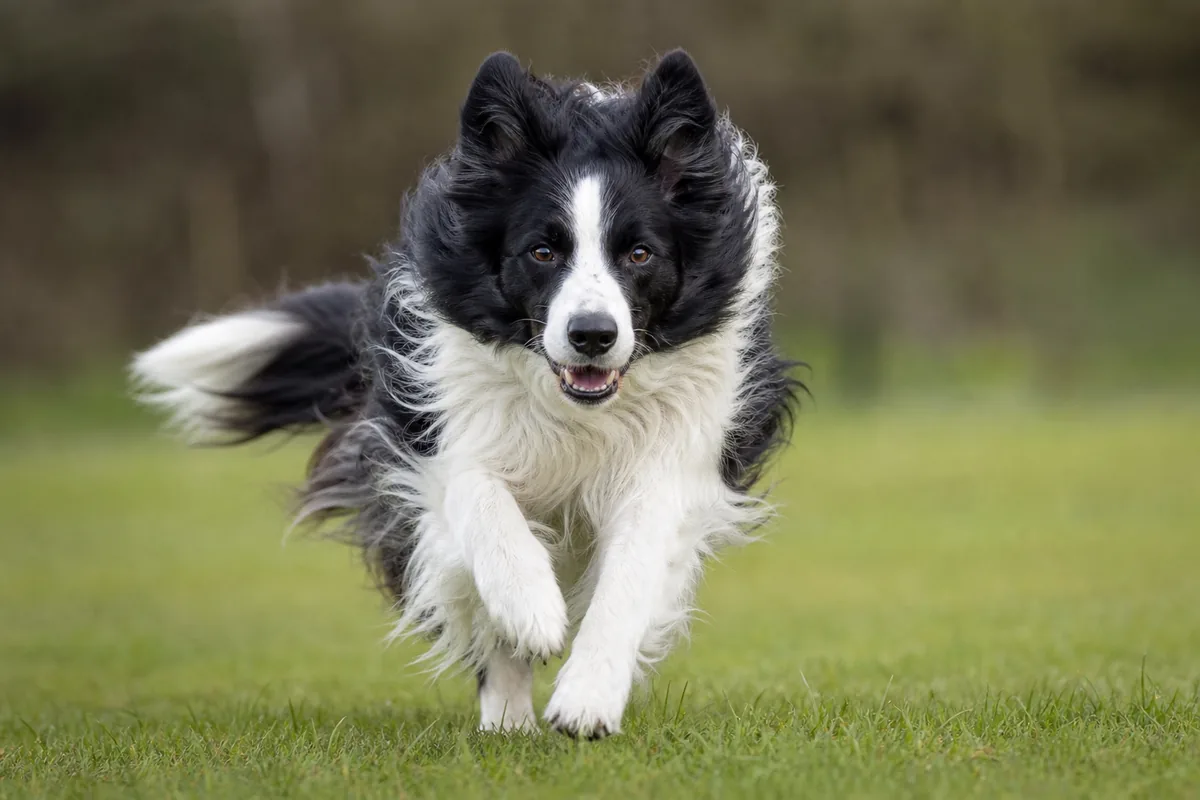
Coat type is structure, not a colour and not a personality test. For a Border Collie, the useful questions are how long the hair is, how the topcoat and undercoat behave, where feathering grows, how the dog sheds and how the skin looks underneath. This guide turns those observations into a calm, practical care routine.
What the breed standard actually describes
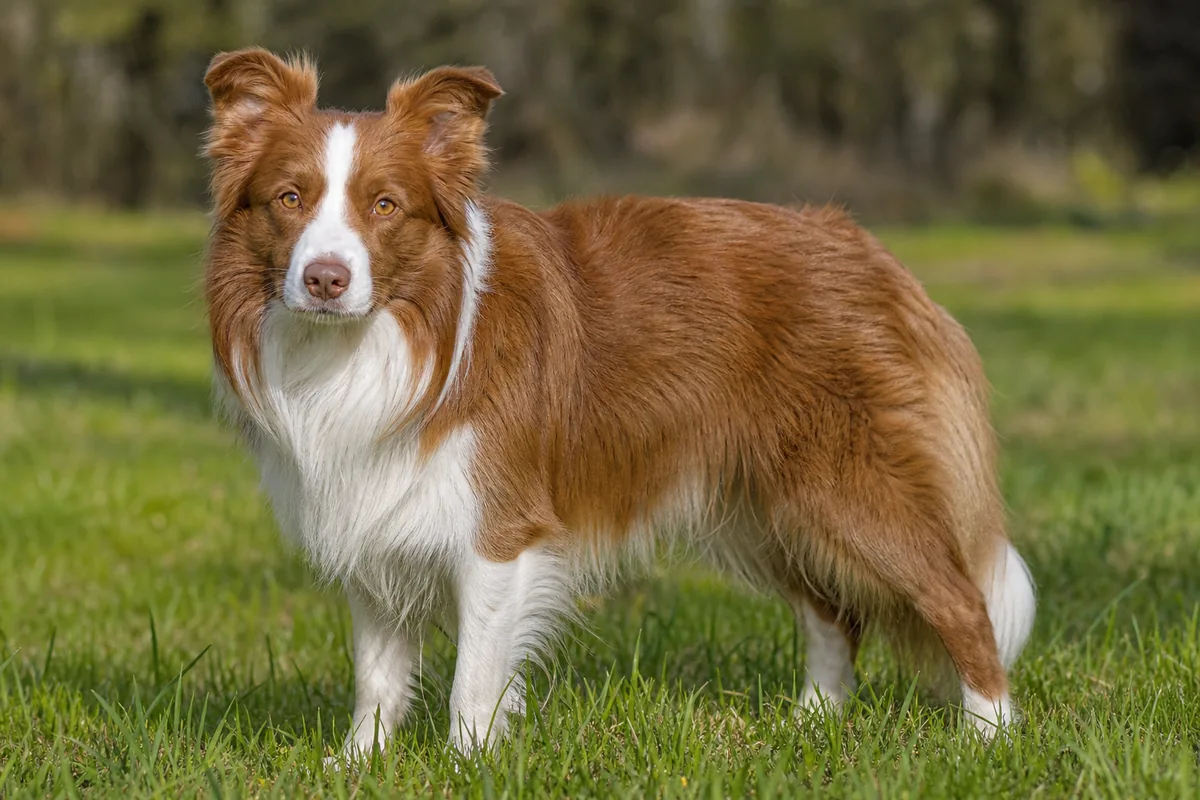
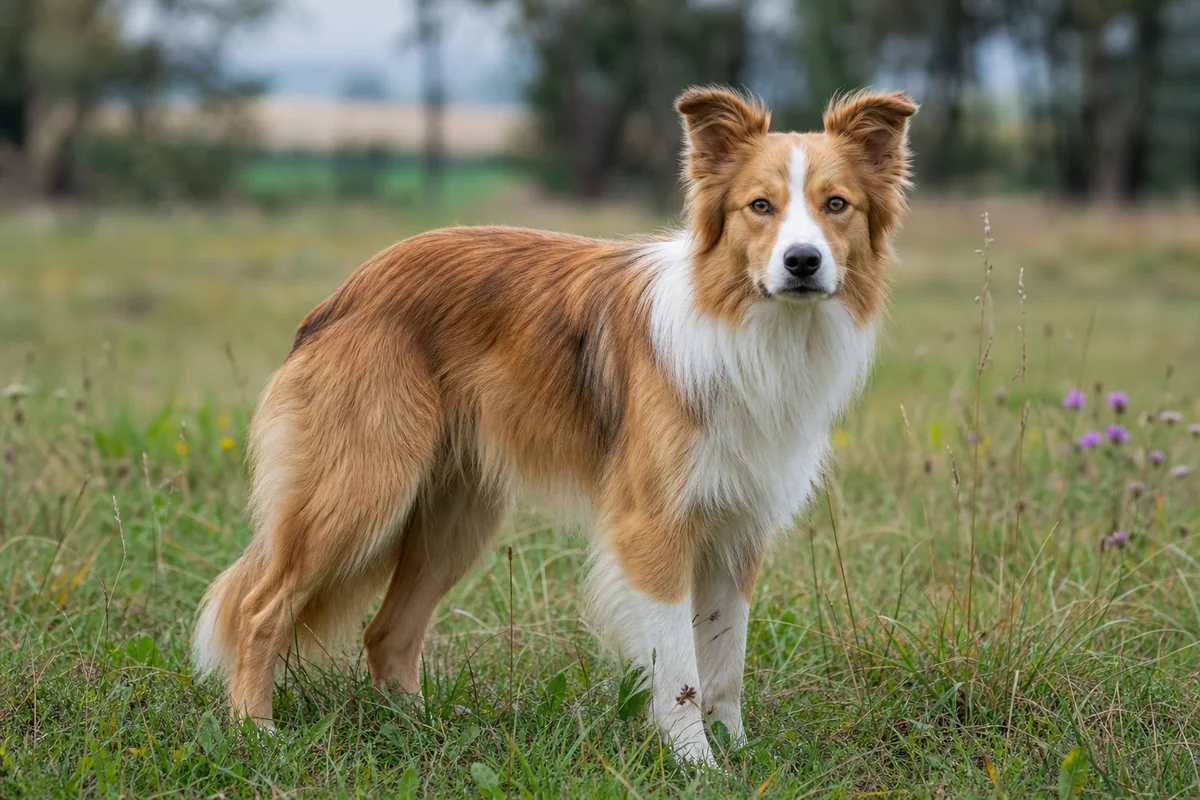
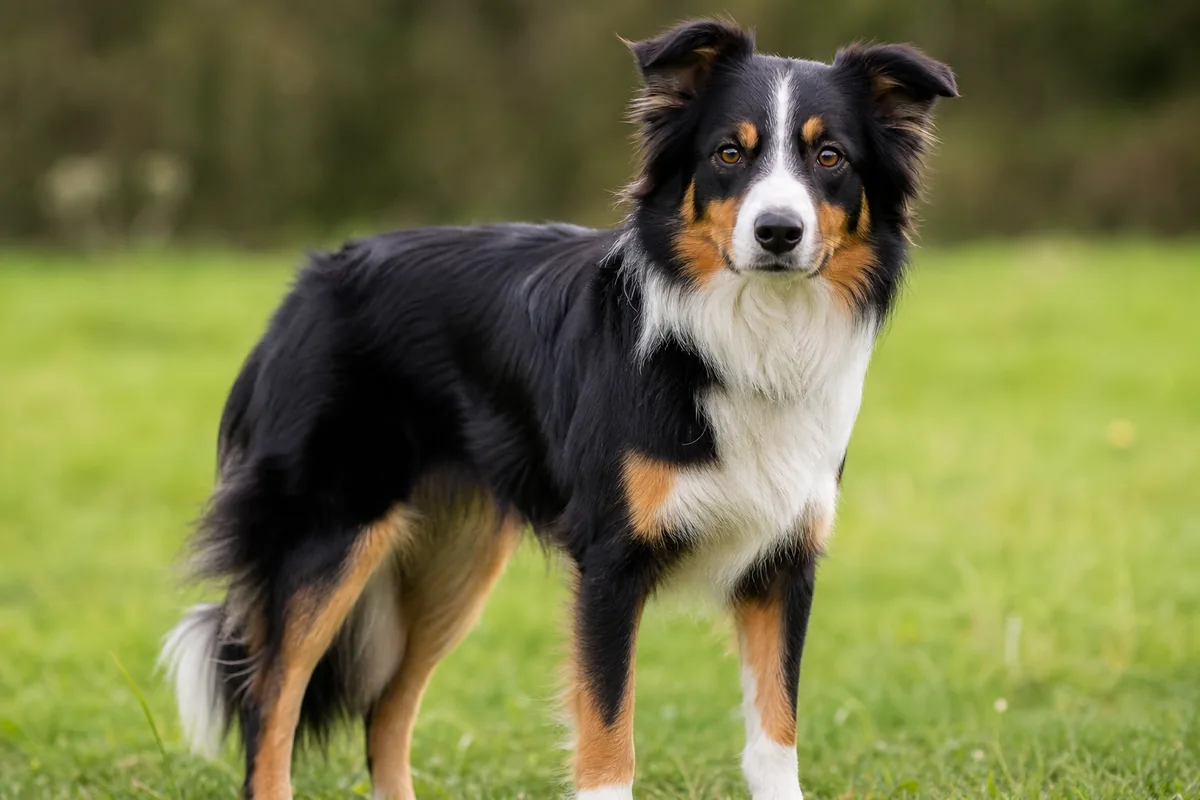
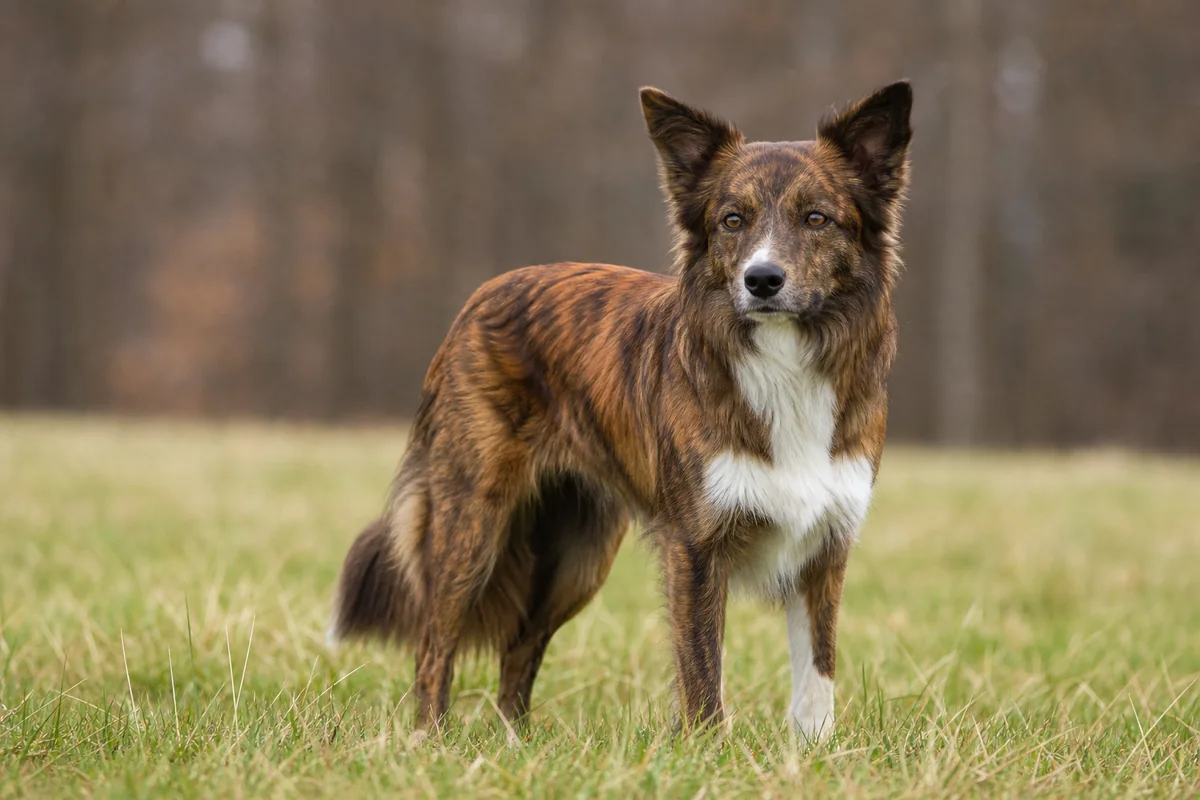
The American Kennel Club's Border Collie standard describes two permissible varieties: rough and smooth. Both are close-fitting, dense, weather-resistant double coats. The topcoat is straight or wavy and coarser than the soft, short, dense undercoat. The rough variety is medium in length, with feathering on the forelegs, haunches, chest and underside. The smooth variety is short over the body and may have slight feathering. The standard also says neither is preferred over the other and that seasonal shedding is normal.
That is a description of breed type for evaluation, not a promise that every dog will fit a neat category. “Medium,” “plush,” “feathered” and “smooth” are useful everyday words, but coats sit on a continuum. Age, sex, season, neutering status, climate, nutrition and health can change density and texture. A photo can show length and silhouette; it cannot establish a genetic explanation or tell you whether a dog is clinically well.
Rough, smooth and the coats between
A rough coat carries more visible length and furnishing. Check behind the ears, under the collar, at the elbows, in the groin, on the backs of the legs and beneath the tail, where loose undercoat and debris can gather. A smooth coat usually has less feathering and is quicker to inspect, but “short” does not mean “no maintenance”: it can still have a dense double coat and shed heavily. Intermediate coats may look smooth on the face and legs while carrying a fuller ruff, trousers or tail.
Texture matters as much as length. Straight hair may shed and release dirt differently from a soft wave; a dense, plush undercoat can conceal tangles close to the skin. Do not rank a coat by softness or volume. The AKC breed information provides context about the active working breed, while the standard is the better source for what is expected in a show-ring description. Neither source says that one coat makes a better companion, worker or athlete.
Keep four labels separate
Write down length (short, medium or long), texture (straight, wavy or another observed description), furnishings (where feathering appears) and condition (clean, shedding, tangled or irritated). Do not turn those observations into a colour-genotype claim; use the site's genetics basics and colour guides for that separate question.
Undercoat, weather and seasonal shedding
A double coat is a living, changing system. The topcoat helps shed weather and the undercoat provides another insulating layer, but no coat makes a dog automatically safe in heat, cold, rain or snow. Adapt walk timing, shade, water, rest and drying to the individual dog and conditions. In winter, check between toes and around the belly after wet or salted walks; in warm weather, avoid assuming that removing the coat is the best solution.
Seasonal shedding can make a previously tidy coat look suddenly thin or uneven. Brush more often when loose undercoat is lifting, but use the dog's comfort as your guide rather than forcing a long session. The AAHA guide to shedding notes that regular brushing helps remove loose hair and that sudden hair loss, bald areas or inflamed skin deserve veterinary attention. A normal shed is not the same as patchy alopecia.
A gentle grooming routine
Start with calm handling on a non-slip surface. Let the dog see and smell the tool, reward a brief touch, and stop before the dog becomes distressed. Work in small sections, parting the hair so you can see the skin. A comb or appropriate brush should move through the coat without repeated hard pulling. Pay special attention to ears, armpits, groin, tail and feathered legs. After grass, woodland or water, remove burrs and twigs before they tighten into a mat.
The VCA coat-care guide recommends matching tools to the coat and being gentle with tangles; it also warns that mats can hide irritated skin. If a mat is extensive, close to the skin or painful, do not attack it with scissors. A qualified groomer or veterinarian can remove it safely. The Merck Veterinary Manual explains why thorough combing and careful product use matter when a skin treatment is involved.
Bath only when the dog is dirty, odorous or under a veterinary plan, and brush out debris before wetting a tangle. Rinse products completely and dry the dense coat, especially under the collar and in feathering. The AKC shampoo guidance identifies Border Collies as double-coated and supports choosing a gentle product suited to the coat. Do not use human or medicated products as a substitute for veterinary advice.
When grooming should become a veterinary question
Arrange an examination for persistent itching, repeated licking or chewing, odor, redness, crusts, sores, ear problems, pain, sudden texture change, bald patches or a dramatic non-seasonal shed. A dull coat can reflect many things, from a local irritation to a wider health problem. Merck's dermatology overview stresses that similar-looking skin signs can have different causes and need history, examination and appropriate tests. Grooming can reveal a problem; it cannot diagnose one.
For seasonal comfort, avoid shaving to the skin unless a veterinarian recommends clipping for a medical reason. The VCA summer-care guidance explains that fur can insulate and protect skin from sun. In cold conditions, the AAHA cold-weather advice recommends checking paws and removing salt, ice and debris after walks. These are management choices, not guarantees: watch your dog for discomfort and adjust the plan.
Frequently asked questions
What is the difference between rough and smooth Border Collie coats?
The rough variety is medium in length with feathering, while the smooth variety is short over most of the body and may have slight feathering. Both are recognised coat varieties; neither is a health or quality ranking.
Do Border Collies have an undercoat?
The breed standard describes a dense, weather-resistant double coat: a coarser topcoat over a soft, short, dense undercoat. Individual density varies, so grooming needs should be judged on the dog in front of you.
How often should I brush a Border Collie?
There is no single schedule. Inspect regularly, reach the undercoat gently, and increase attention during shedding or after burrs, mud and wet activity. A veterinarian or groomer can help tailor tools and frequency.
Should a Border Collie be shaved in warm weather?
Do not shave to the skin as a routine cooling measure. The coat can provide insulation and sun protection; discuss medical clipping with a veterinarian and use shade, water and activity planning for heat.
When does a coat problem need veterinary advice?
Seek advice for sudden hair loss, bald patches, persistent itching, redness, crusts, odor, pain, recurrent ear or skin problems, or a major change in coat texture. Grooming can reveal a problem but cannot diagnose its cause.
Does coat type predict colour, temperament or working ability?
No. Coat structure is a physical trait. It does not prove colour genotype, predict temperament or establish working quality; evaluate the individual dog and use the relevant breed standard.
Sources and further reading
For this guide, consult the AKC Border Collie standard, AKC breed information, AKC shampoo guidance, VCA coat care, Merck topical-care guidance, Merck dermatology guidance, AAHA shedding guidance, AAHA cold-safety guidance and VCA summer coat guidance.
A bag label read with the same discipline appears in a note on roast levels and coffee freshness.