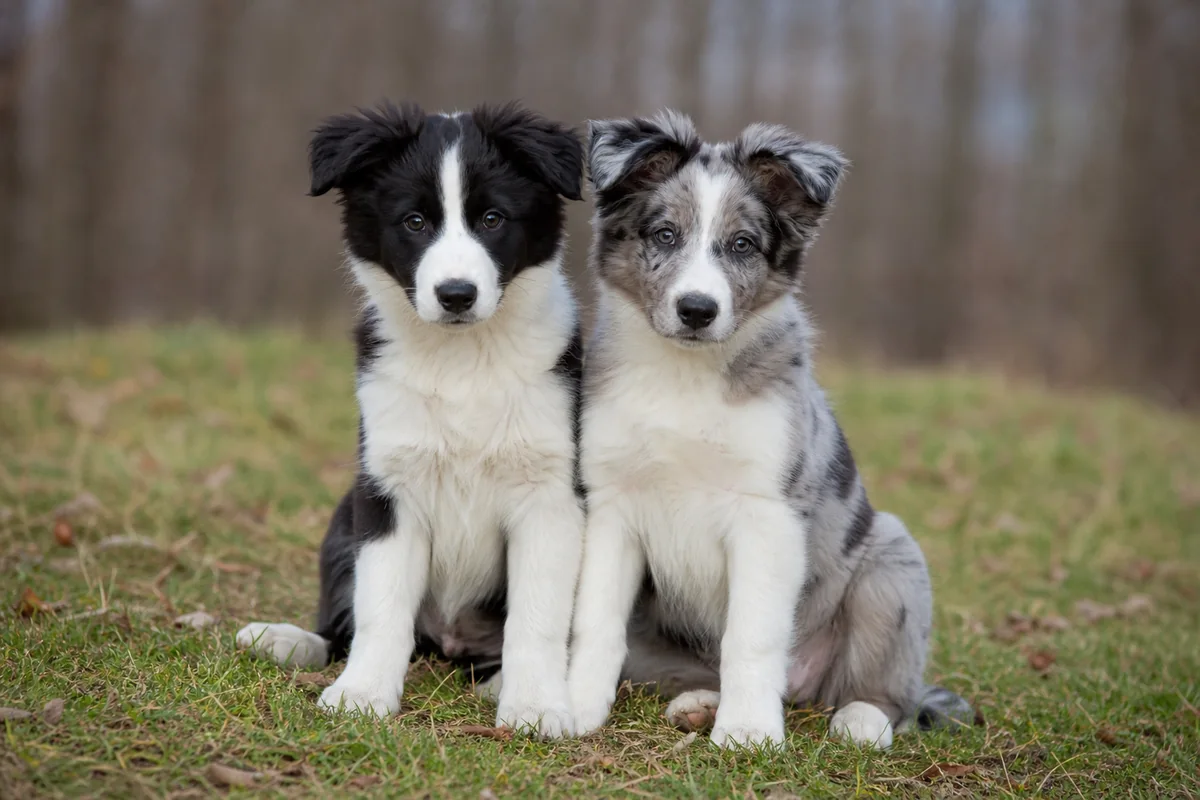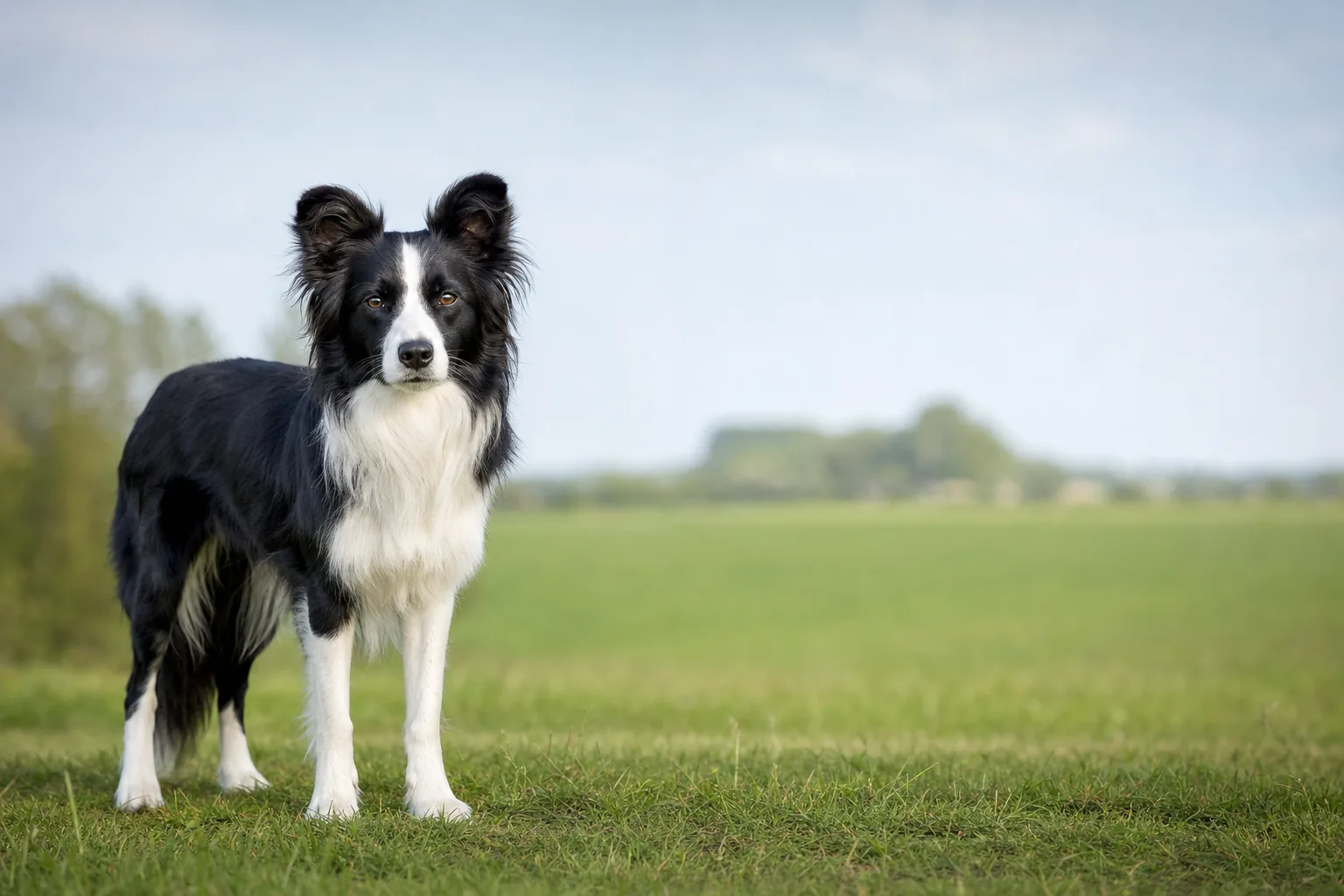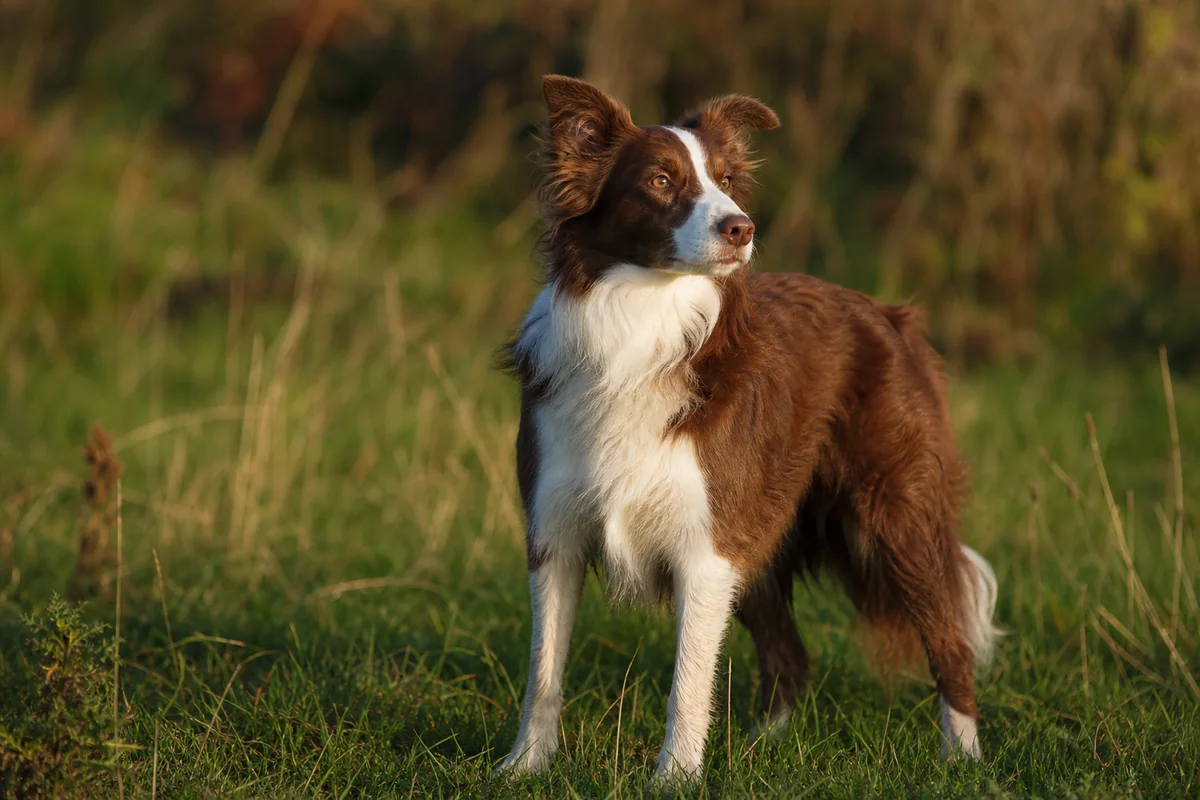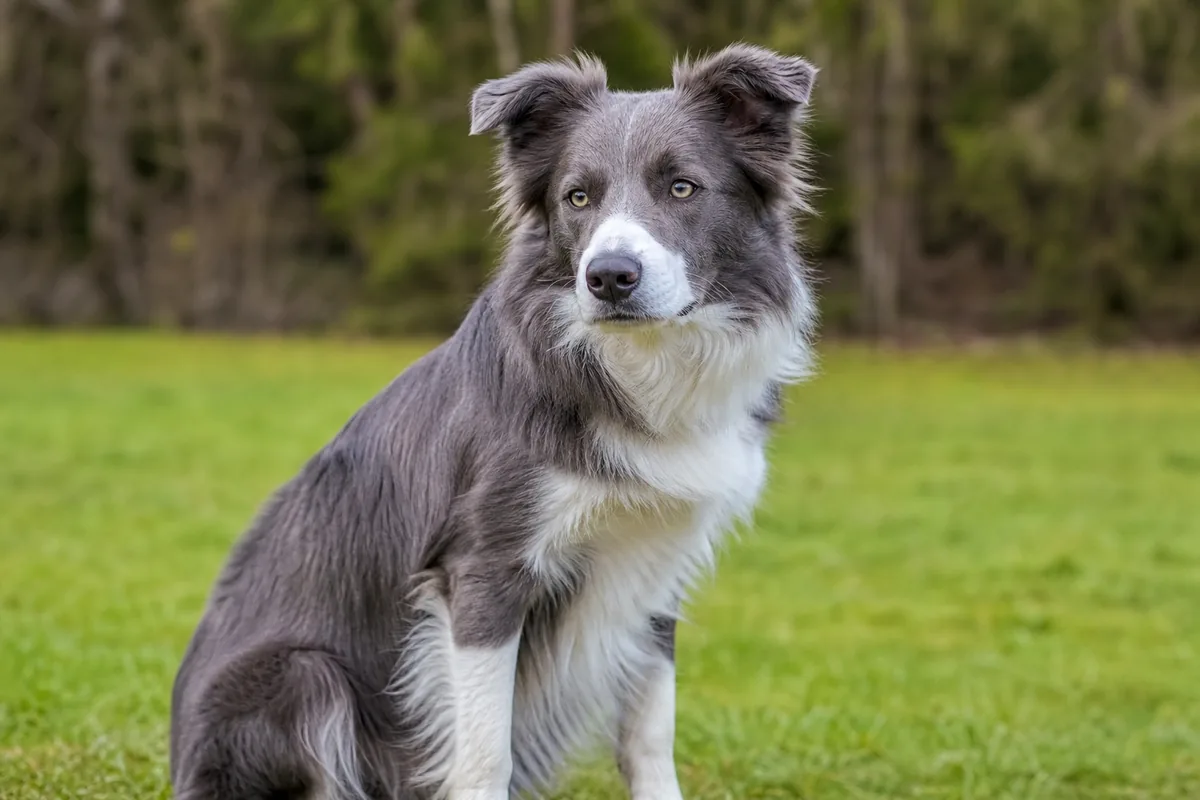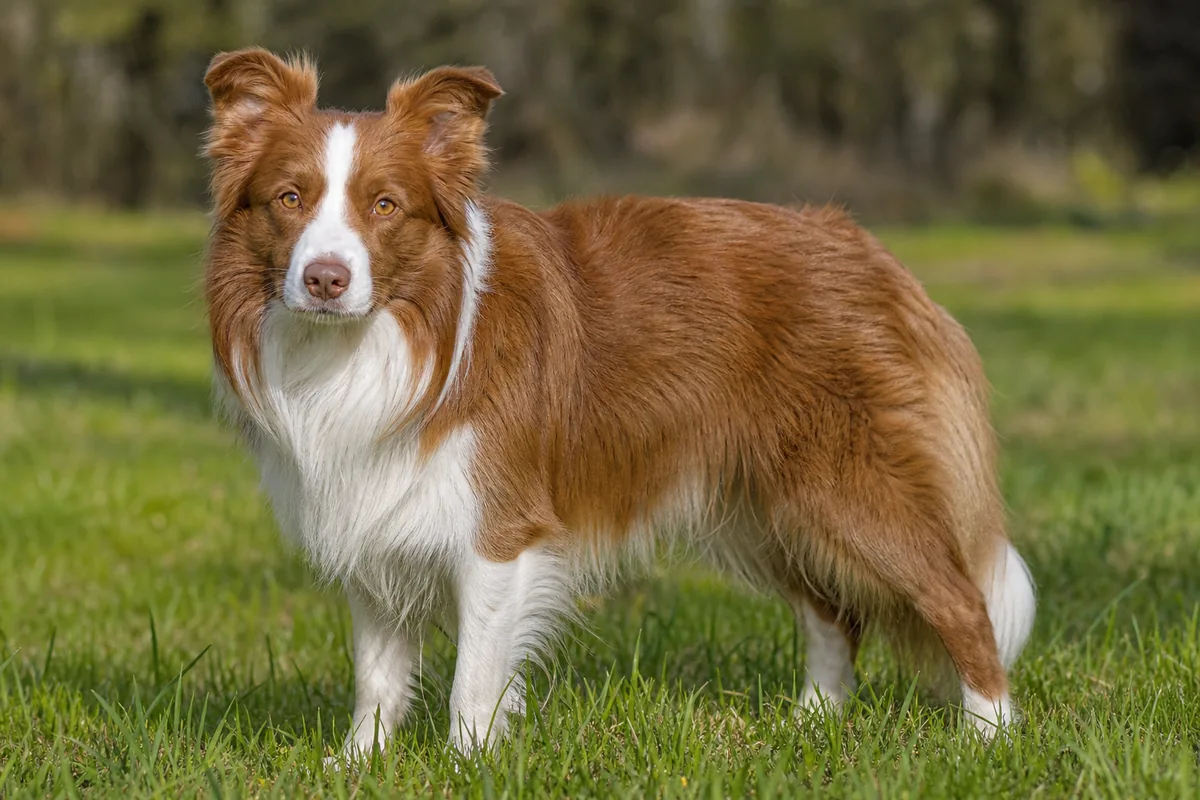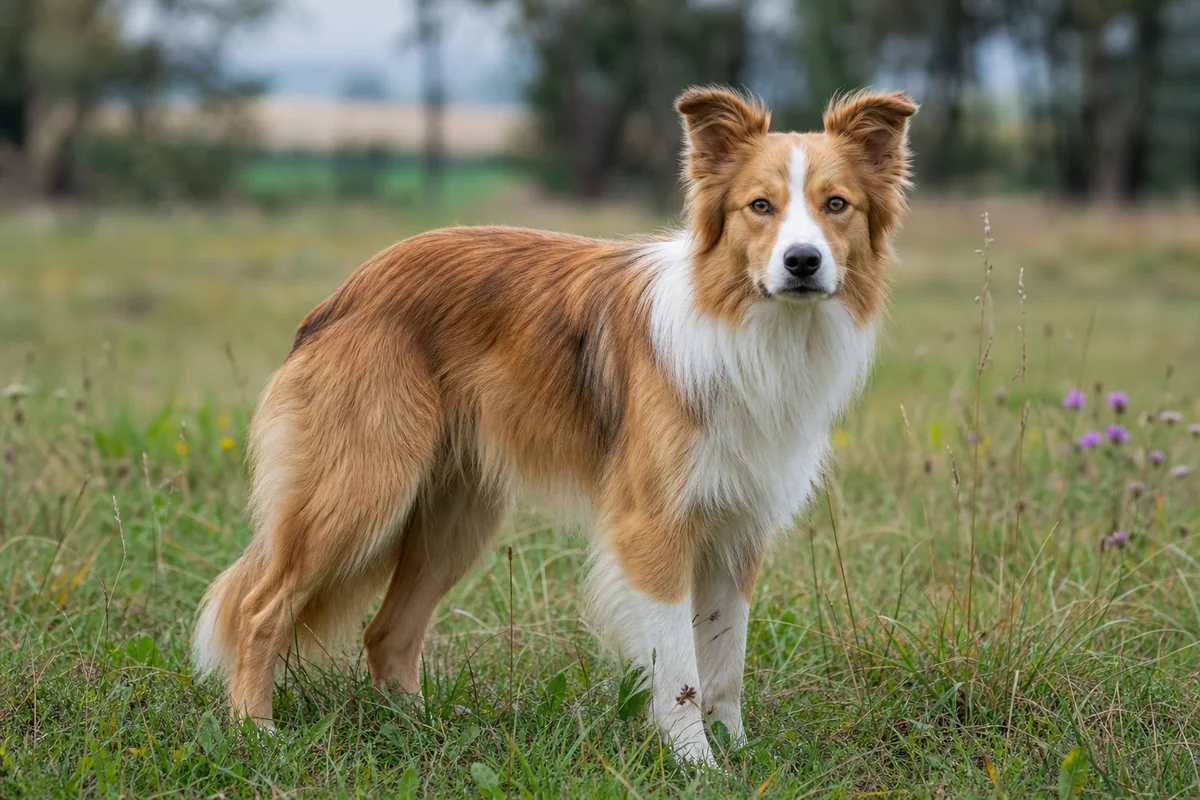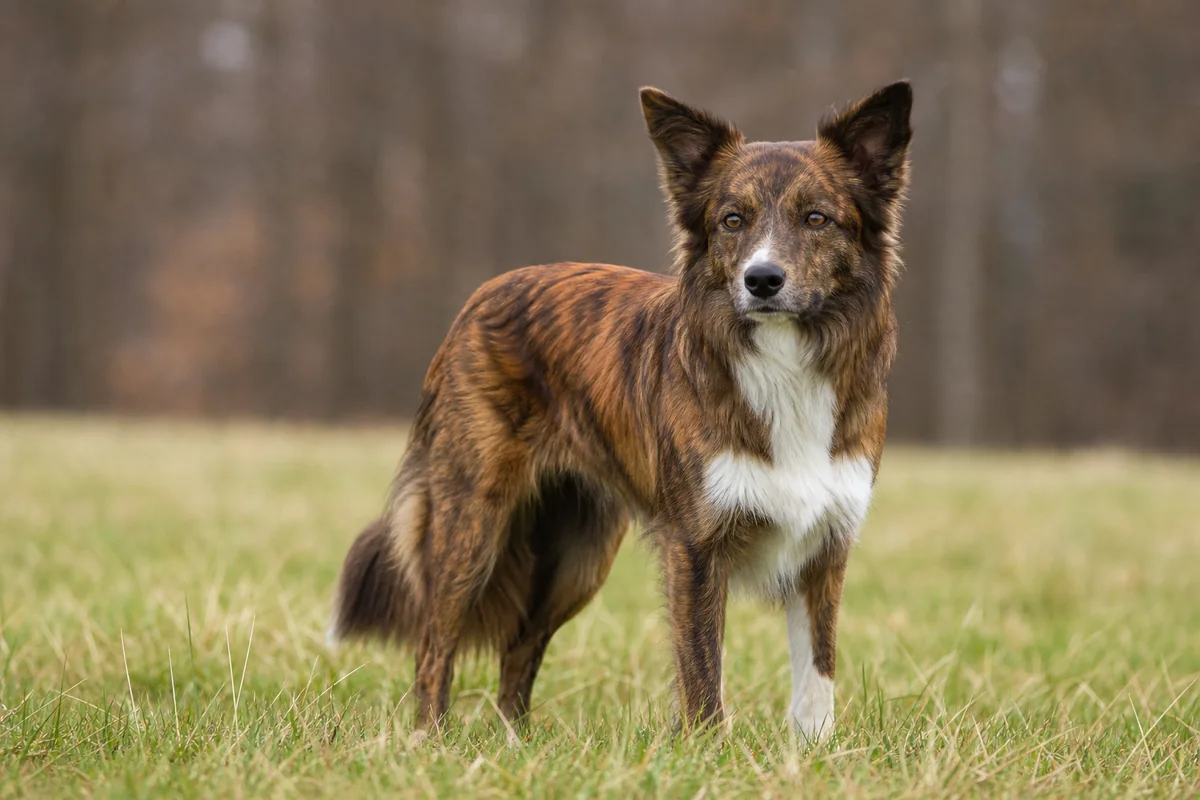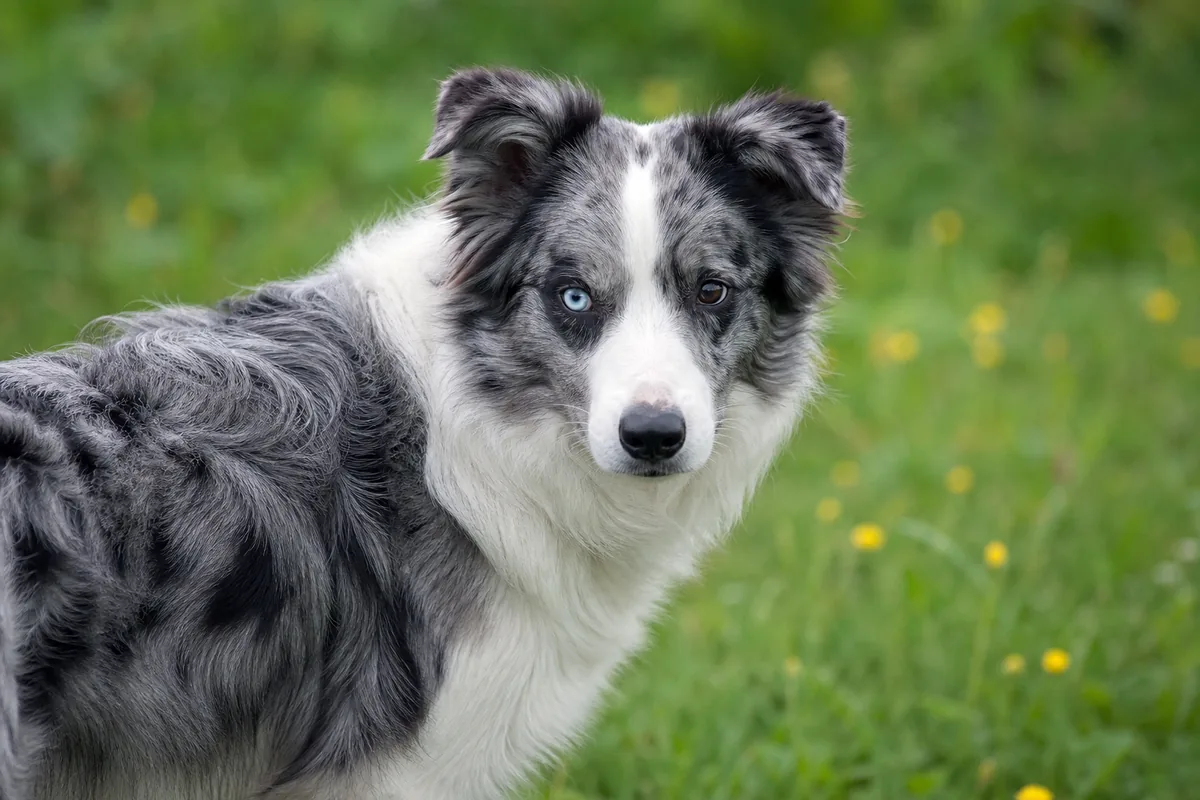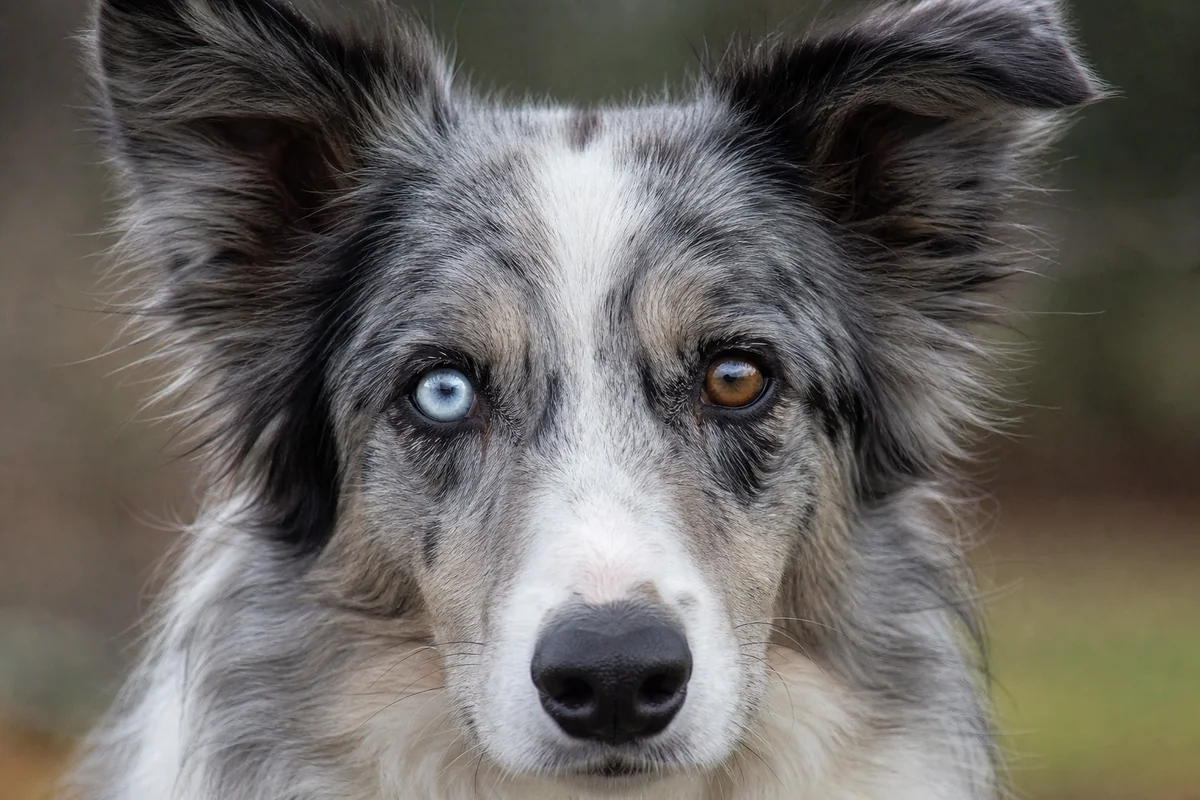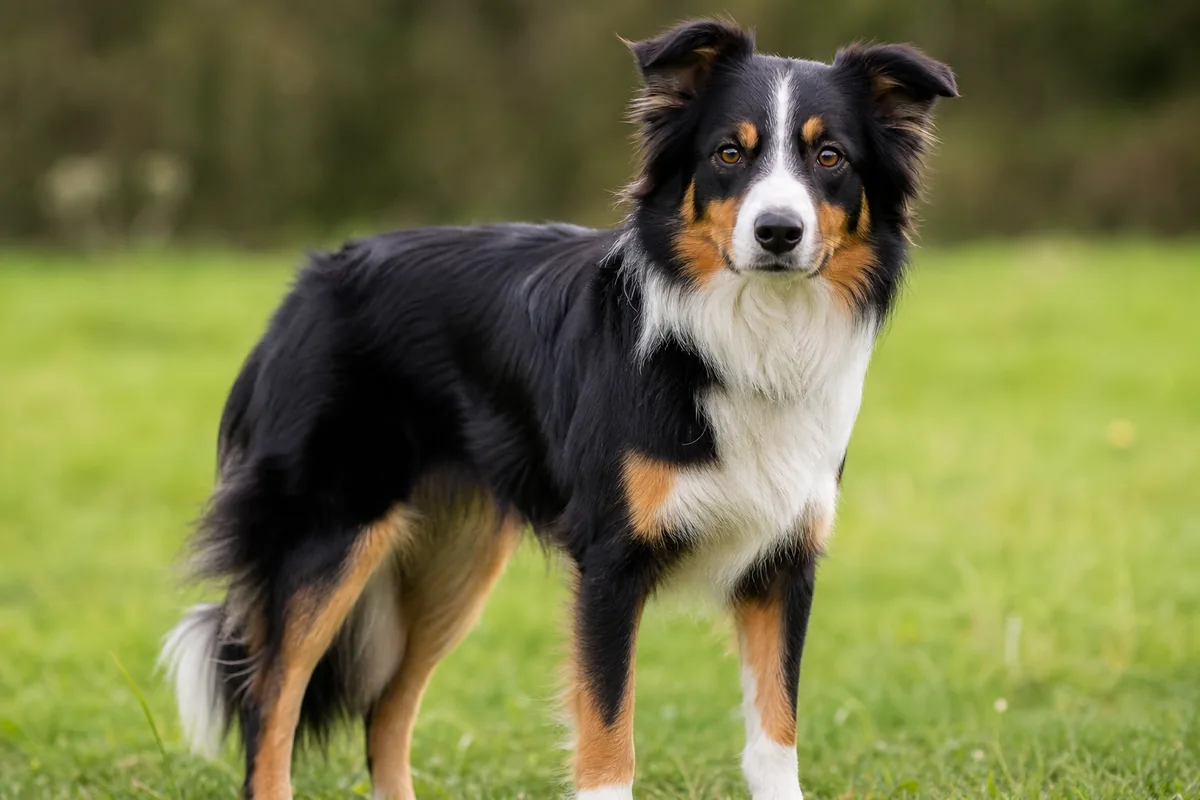
Tan point is a description of placement and pigment, not a complete genetic identity. The word refers to red-to-yellow areas in particular locations. Their size, shade and visibility can vary, so a photo is a starting observation rather than an equation.
Where tan points are seen
Tan points are commonly described above the eyes, on the cheeks and muzzle, inside the ears, across the chest and underside, and on the lower legs or feet. Some dogs show small “pips” above the eyes; others have broader cheek or leg colour. The red-to-yellow pigment may range from pale biscuit through copper to rich rust.
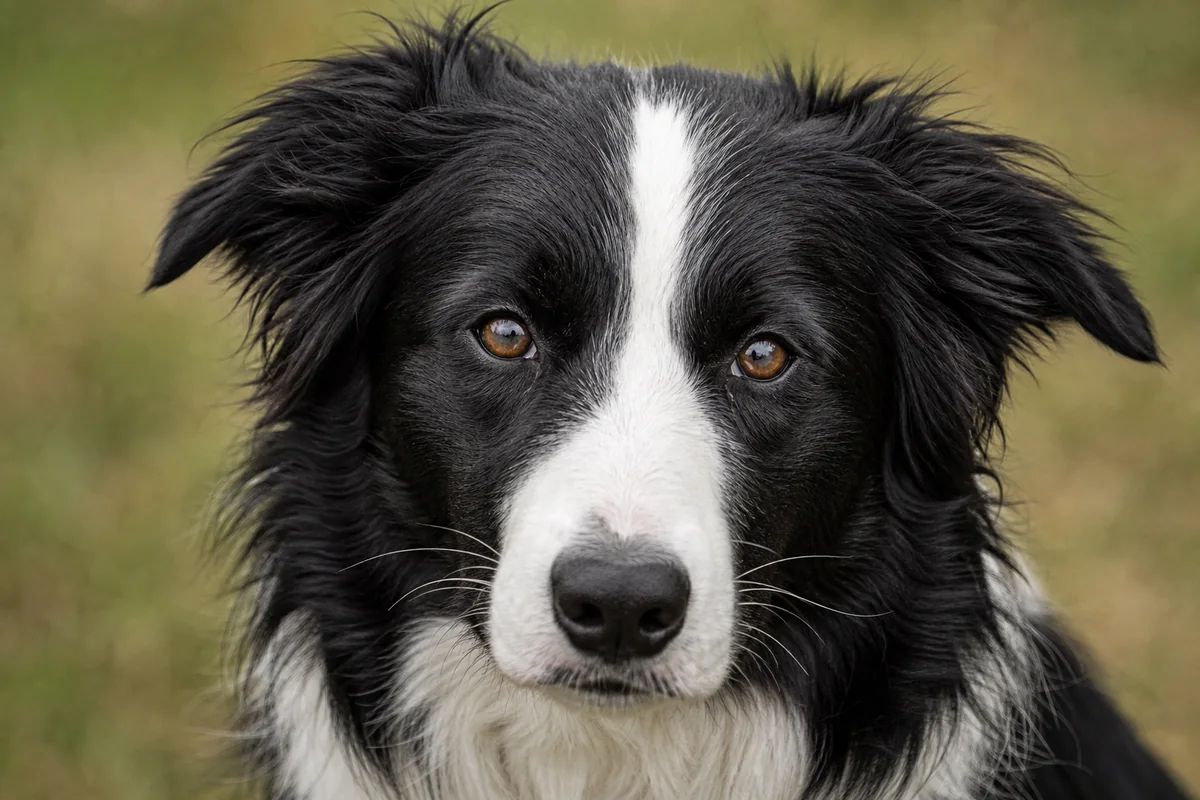
Record the location and intensity separately. “Small tan pips above both eyes” is more precise than simply “tri.” Note whether the points are symmetrical, whether white covers part of a usual area, and whether the dog is dry and photographed in even light. A descriptive label is useful communication, but different owners and registries may use “tri-colour” differently.
Phaeomelanin, eumelanin and A-locus context
Tan is generally discussed as phaeomelanin, the red-to-yellow pigment, while the base coat may contain black or brown eumelanin. The UC Davis Veterinary Genetics Laboratory basic panel explains that ASIP interacts with MC1R to influence pigment switching and distribution. “A locus” and at are useful shorthand in colour education, not a universal equation that can be read from a picture.
Other systems can alter what is visible. Compare Black and Brown / Chocolate for the eumelanin base, Blue, Slate & Lilac for dilute context, and ee Red for a pigment-switching interaction that may obscure expected pattern information. The UC Davis coat-colour resource is helpful because it treats these as interacting systems rather than one simple code.
Tri-colour is vocabulary
A tri-colour Border Collie is commonly described as a base colour plus white markings and tan areas. The label communicates appearance; it does not prove a genotype, predict a litter or rank the dog.
White, black and the same tan pattern
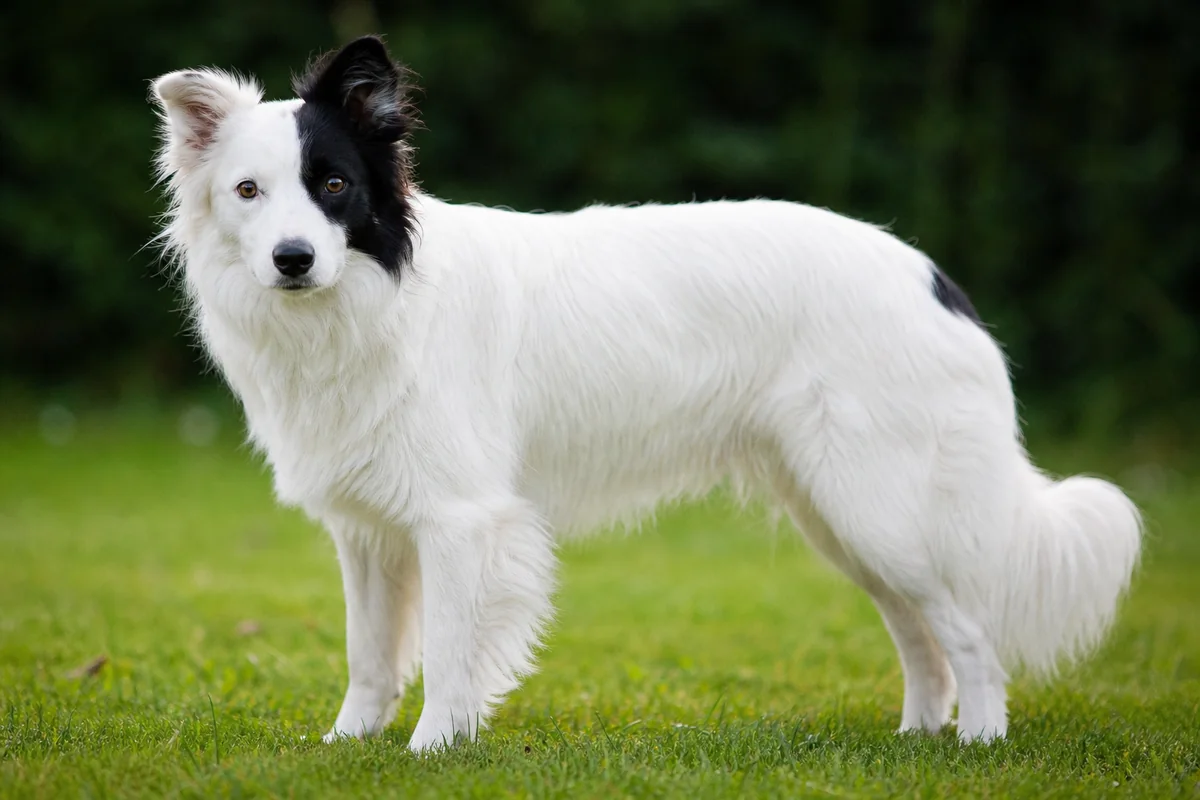
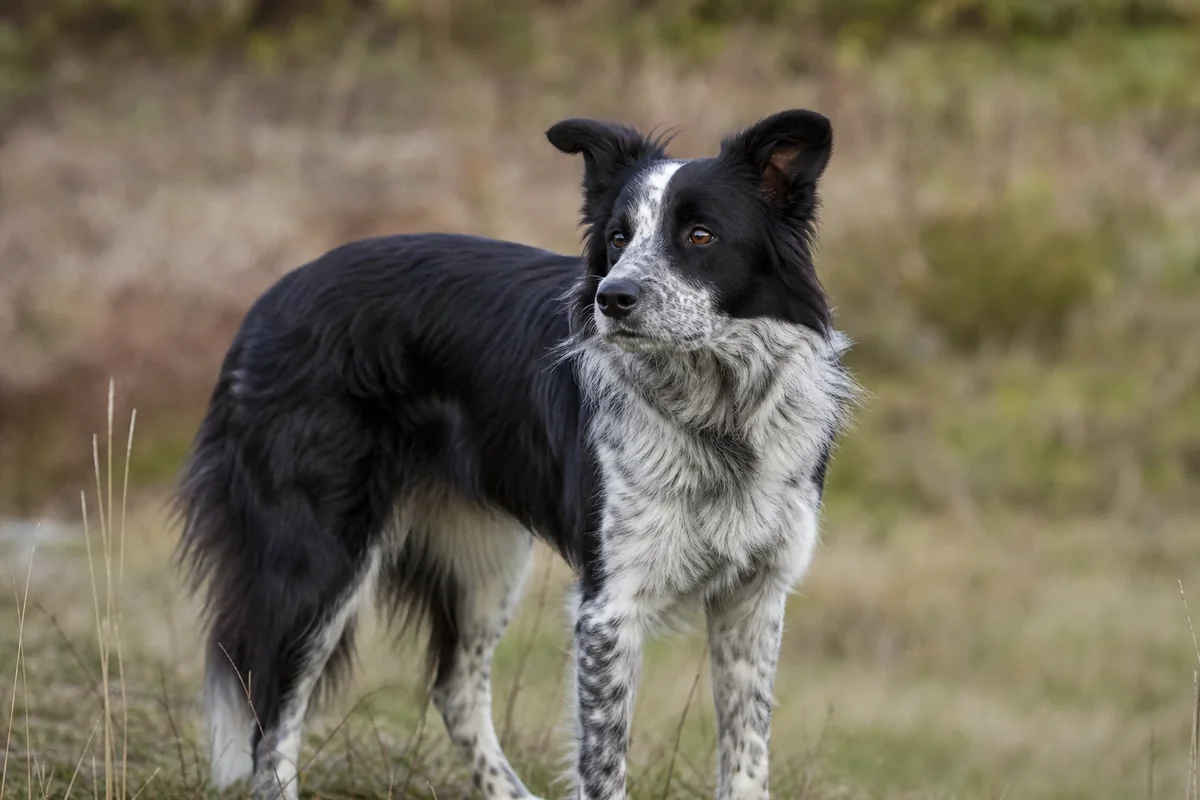
White spotting can cover or interrupt tan areas. A black-and-white dog may carry tan information that is not visible, while a dog with broad white can show only a small part of the expected pattern. Compare White / Irish Spotting and Face Markings for the descriptive layer. A merle base may also be combined with tan; read Merle separately rather than inferring its genetics from the tan points.
Why puppies and photographs mislead
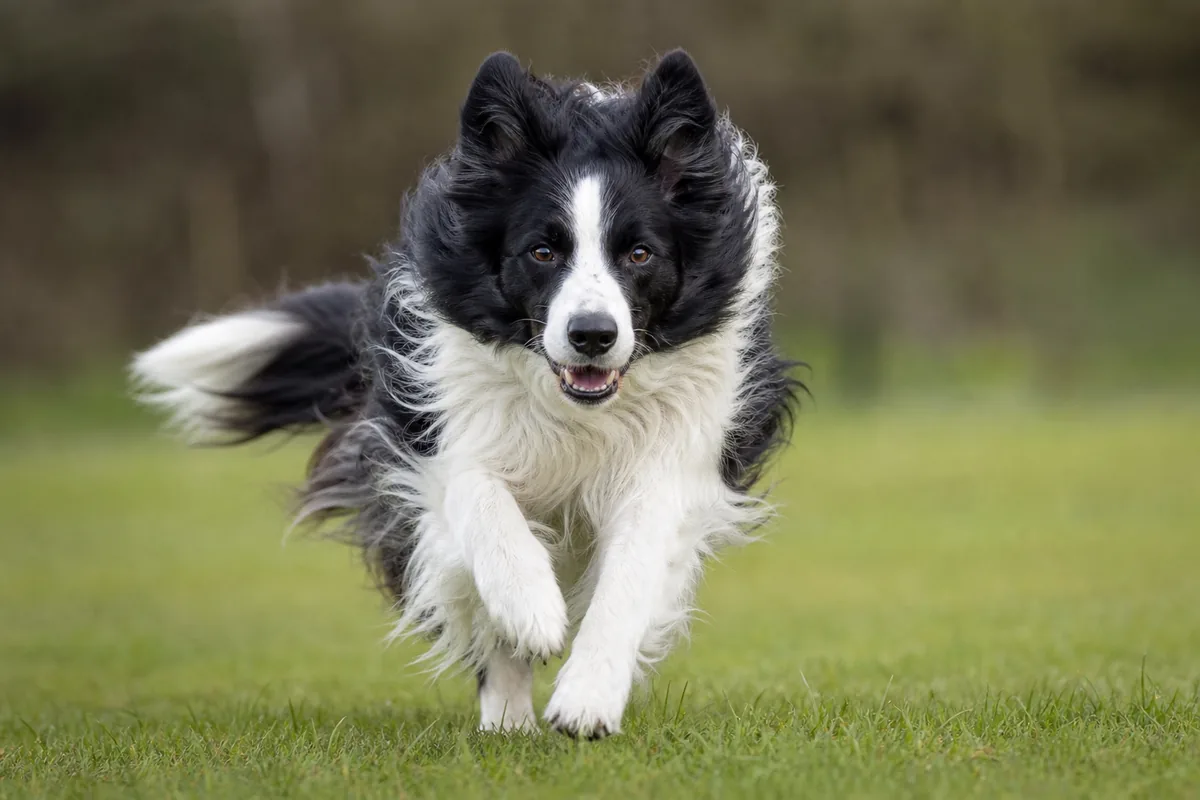
A puppy's head and legs change proportion as it grows. Coat length, seasonal shedding, sun, wet hair and grooming can make tan appear more or less intense. A dark overlay or shadow may reduce the apparent contrast; warm light can make biscuit tan look orange. Compare dated photographs made in similar light and note age, coat condition and the body area observed.
The VCA coat-care guidance explains why grooming and hair condition affect appearance, while the AAHA shedding guidance distinguishes ordinary seasonal shedding from sudden hair loss. Neither source turns a visual change into a genetic result.
Pedigrees, panels and laboratory reports
A pedigree can preserve family colour names, but a written “tan point” or “tri” label is not automatically a molecular test. A panel answers only the variants it includes, under its own definitions and coverage. Before testing, write the question: are you checking a named variant, clarifying parentage, understanding a family record or investigating a clinical issue? Then read the sample requirements, panel version, breed coverage, variant list and limitations.
Keep the complete report with the dog's identification and sample date. Do not translate “clear,” “carrier” or “affected” between laboratories without checking definitions. For breed context, compare the AKC Border Collie information and AKC standard; a standard describes judging priorities, not an individual genotype. The OMIA merle record shows how a database documents one specific trait, not how to calculate every colour combination.
Tan points do not predict the dog
No tan shade, pip size, tri-colour label or visible distribution establishes health, hearing, vision, intelligence, temperament, trainability or working ability. Evaluate the individual through veterinary care, behaviour, structure, movement, environment and history. If the concern is a new skin, hair or pigment change rather than inherited pattern, consult a veterinarian; the Merck Veterinary Manual explains why similar skin signs can have different causes.
Make the record reproducible
For a useful description, record the dog's age, season, light, coat condition, base colour, white distribution and the exact places where tan is visible. Preserve the original pedigree wording rather than silently modernising it. If a laboratory panel is used, keep the report, sample date, panel version, variant list and definitions together; a later panel may not answer the same question.
Frequently asked questions
What are tan points?
They are descriptive areas of red-to-yellow pigment commonly seen above the eyes, on the muzzle, cheeks, chest, underside and lower legs. Their location and intensity vary.
Does tan point prove an A-locus genotype?
No. A visible pattern is a phenotype. A-locus and ASIP shorthand are useful teaching terms, but a photograph cannot establish a complete genotype or all interactions.
What makes a Border Collie tri-colour?
Tri-colour is a descriptive combination of a base colour, white markings and tan areas. Registry language and the amount of each colour can vary; the label is not a laboratory result.
Can tan points change as a puppy grows?
The inherited basis does not change, but apparent intensity and proportion can shift with growth, coat development, shedding, light and grooming.
Can a photo or pedigree prove hidden tan point?
No. Photos and written pedigree labels provide clues or family context. A relevant laboratory report is needed for a specific genetic question, and its coverage and limits should be read.
Does tan point predict health or temperament?
No. Tan-point pattern cannot establish health, temperament, intelligence, working ability or quality. Evaluate the individual dog with veterinary, behavioural and breed-standard information.
Sources and further reading
References for this guide include the UC Davis VGL basic panel, UC Davis coat-colour resource, AKC Border Collie information, AKC Border Collie standard, OMIA, VCA coat care, AAHA shedding guidance and Merck dermatology guidance.