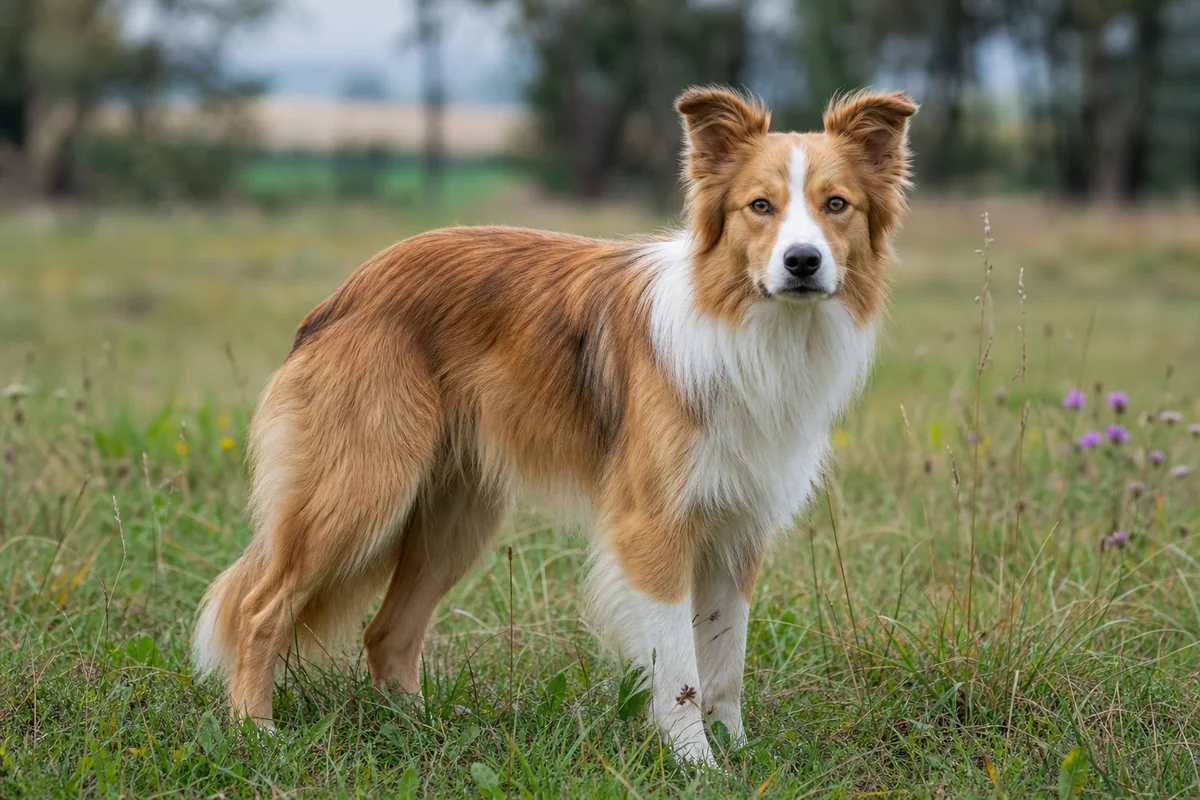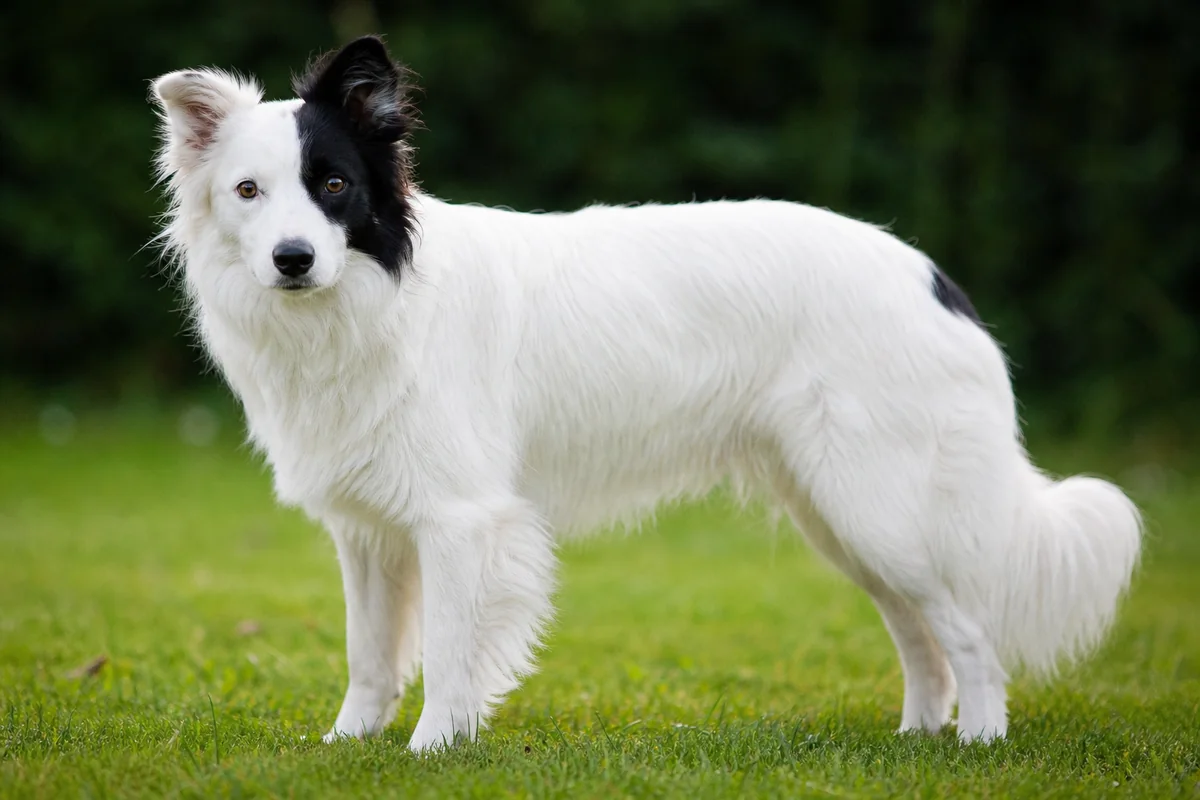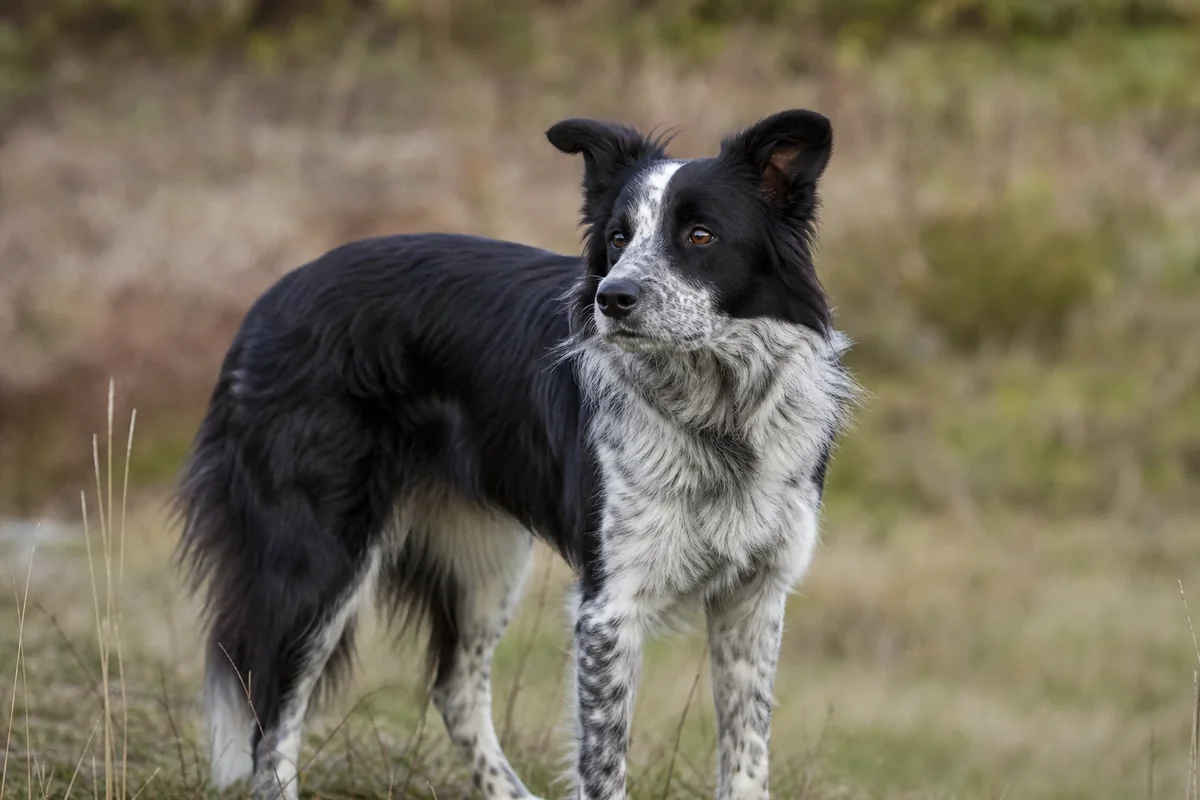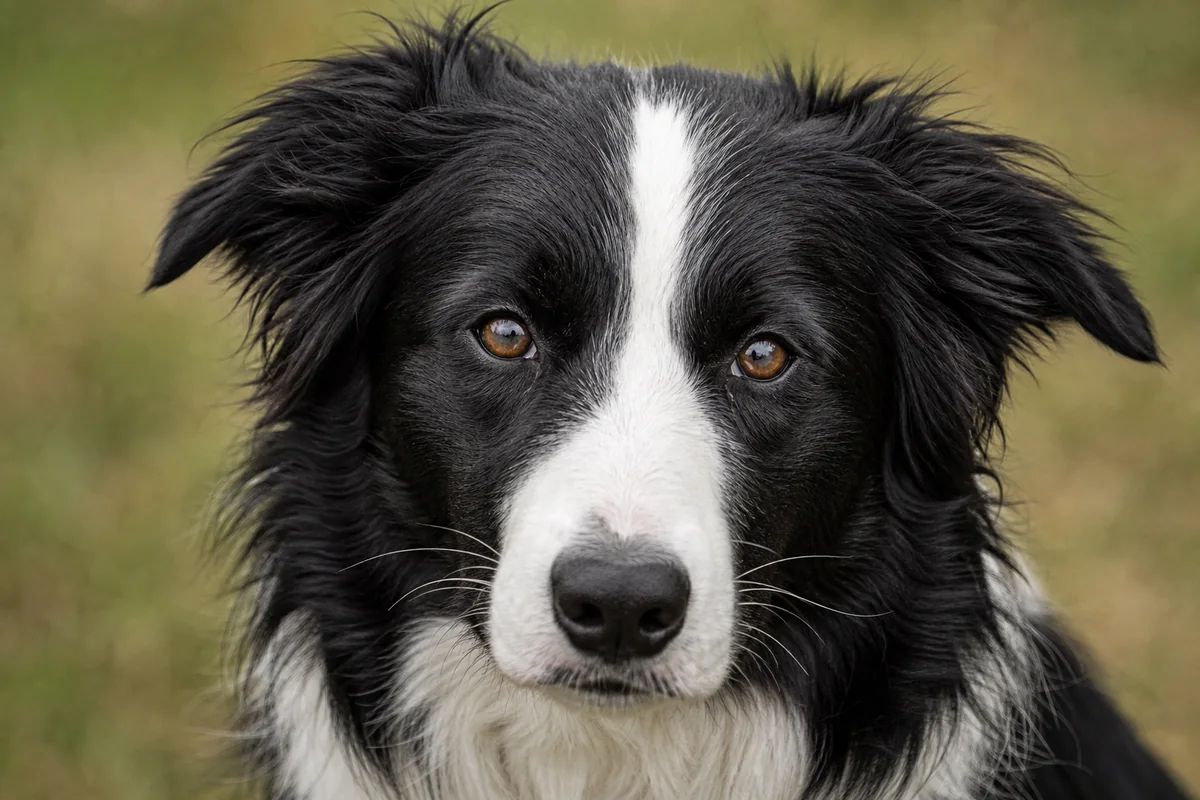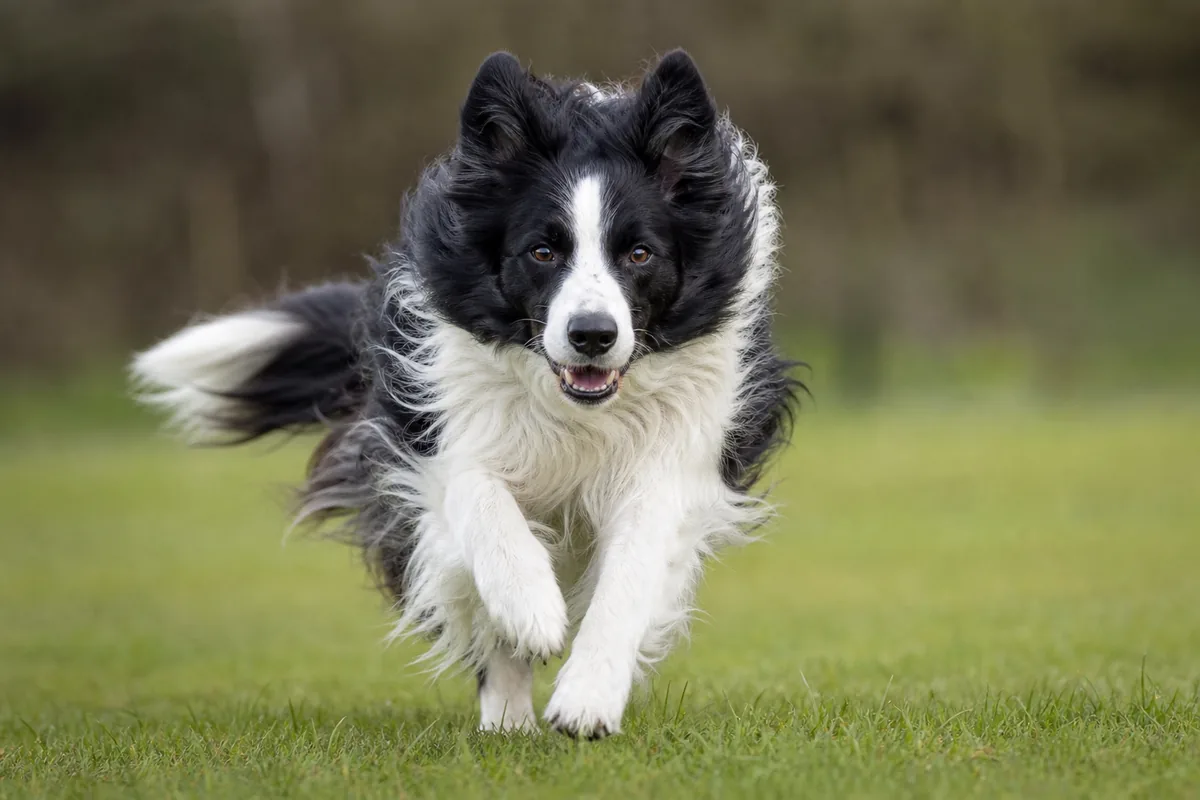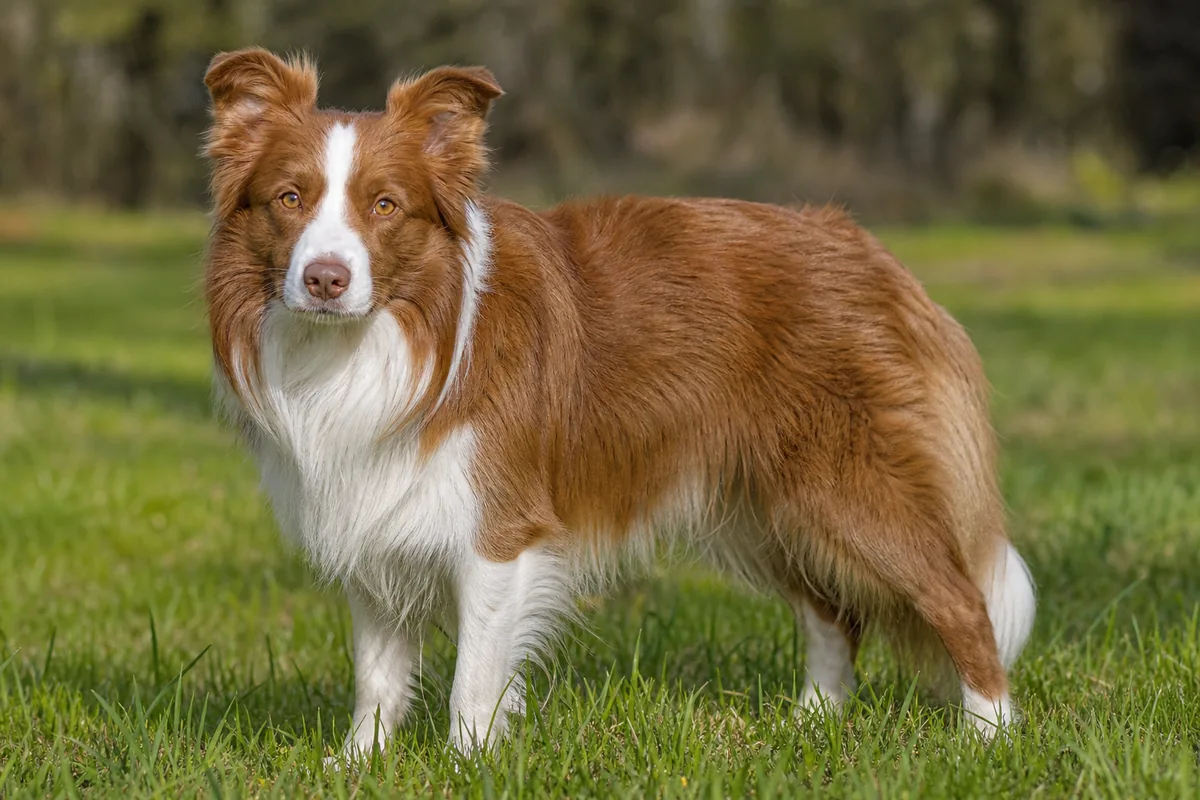
“Ee red” is a useful coat-colour conversation, but it is not one universally defined shade. Depending on country, registry or family vocabulary, the same warm coat may be called red, gold, cream, Australian red or simply yellow. Begin with the visible phenotype, then separate that description from what a laboratory result can establish.
What people mean by ee red
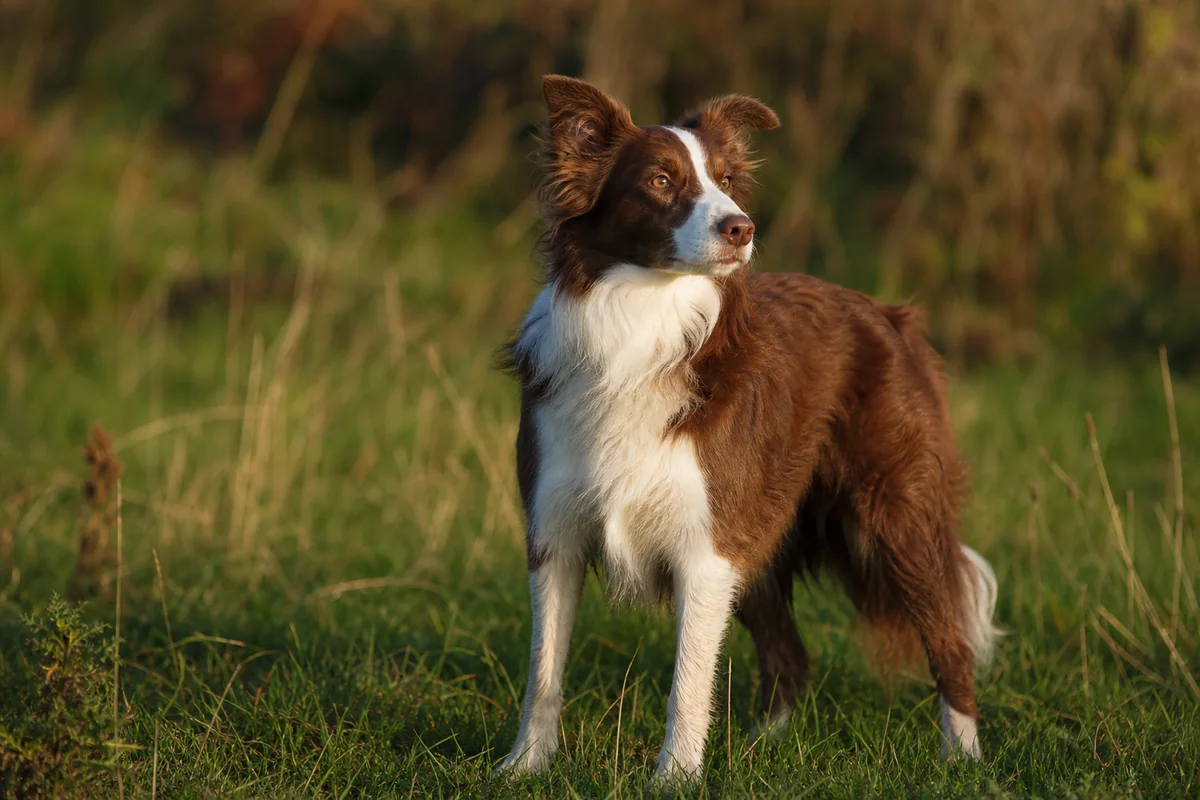
In dog colour genetics, the E locus refers to variants in the MC1R gene. A recessive-red combination is commonly written e/e or ee. In the hair, this condition can limit the production or distribution of eumelanin, the dark pigment, while phaeomelanin produces the red-to-yellow range. The result may be honey, copper, orange, biscuit, cream or a deep red, and lighting can make one coat appear to move between those descriptions.
The UC Davis Veterinary Genetics Laboratory basic coat-colour panel explains MC1R, eumelanin and phaeomelanin in the context of a real test panel. Its dog coat-colour resource is a helpful companion because it distinguishes pigment genes and reminds readers that several loci interact. Use “ee red” as a careful working term, not as a promise that every gold-looking Border Collie has the same molecular result.
Masking is not erasing
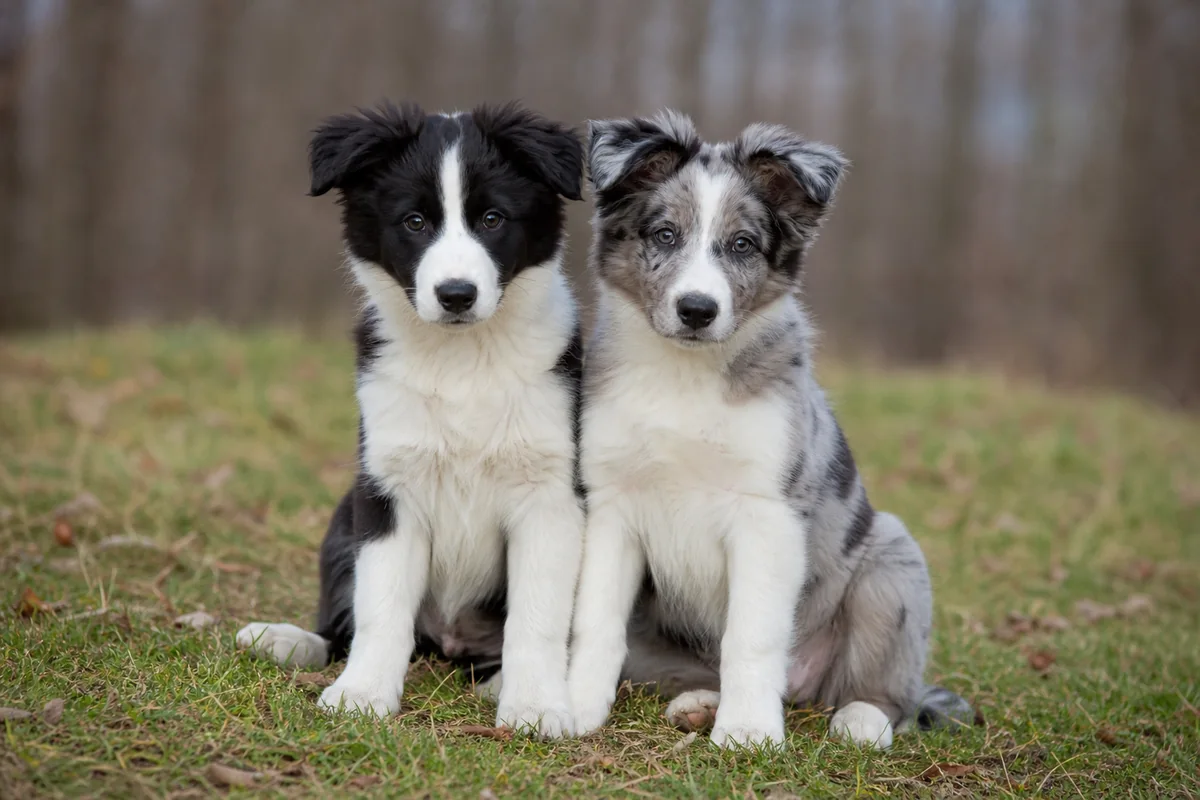
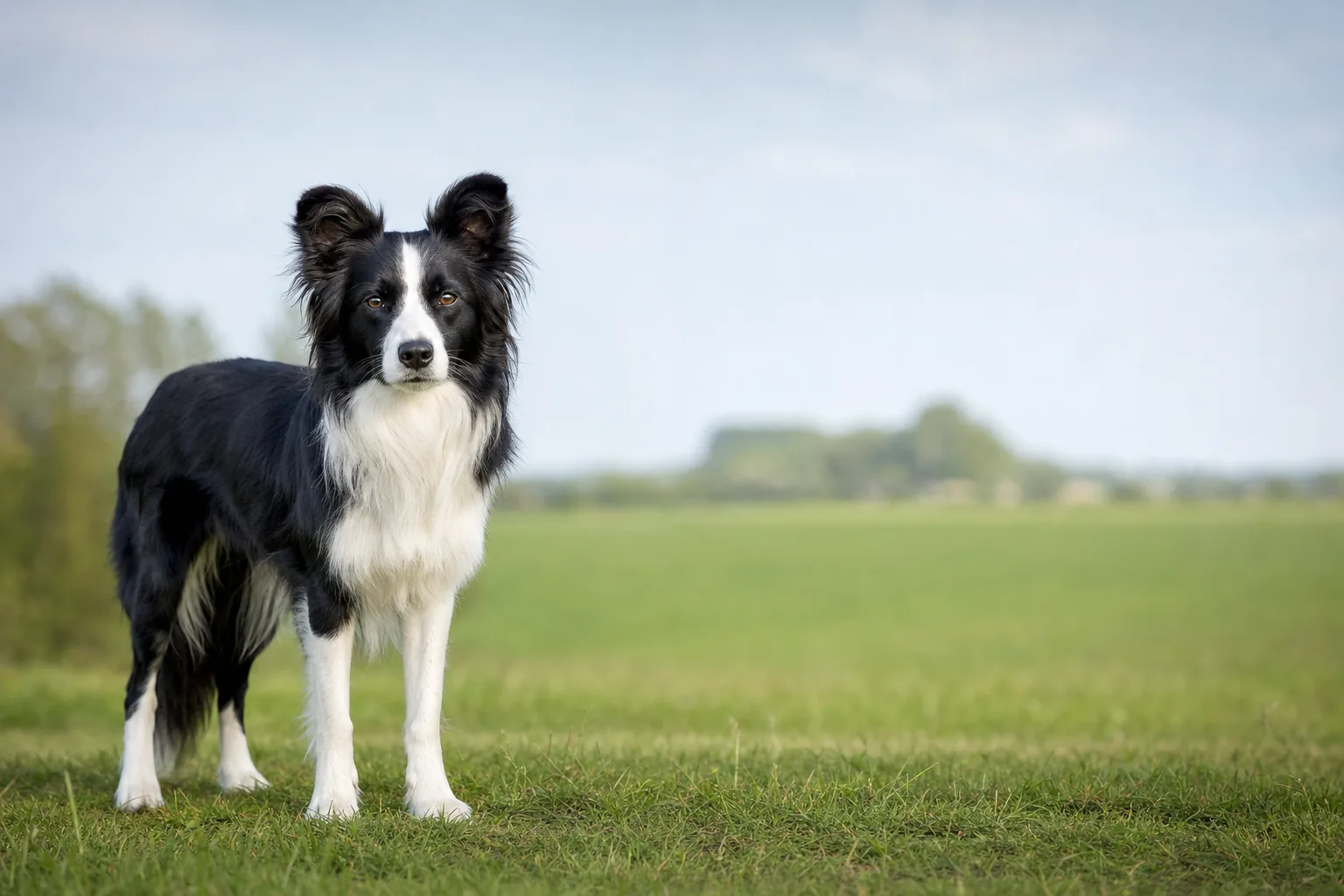
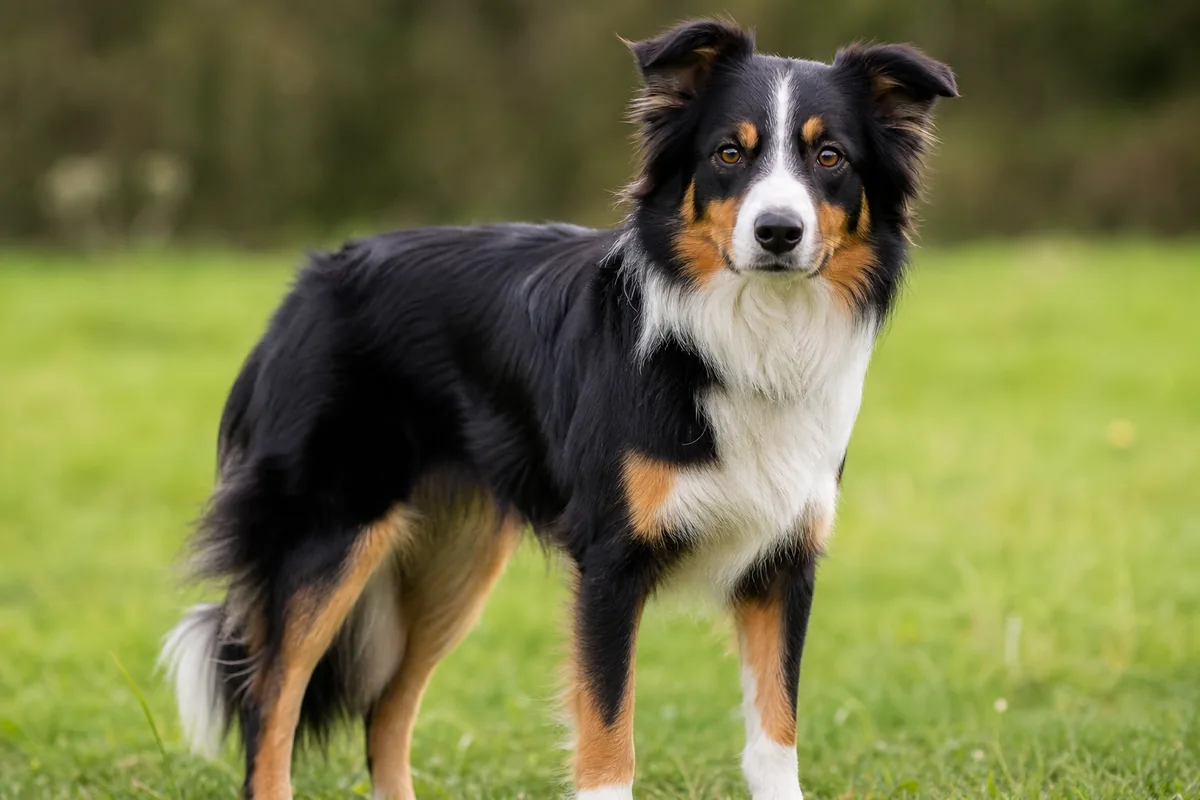
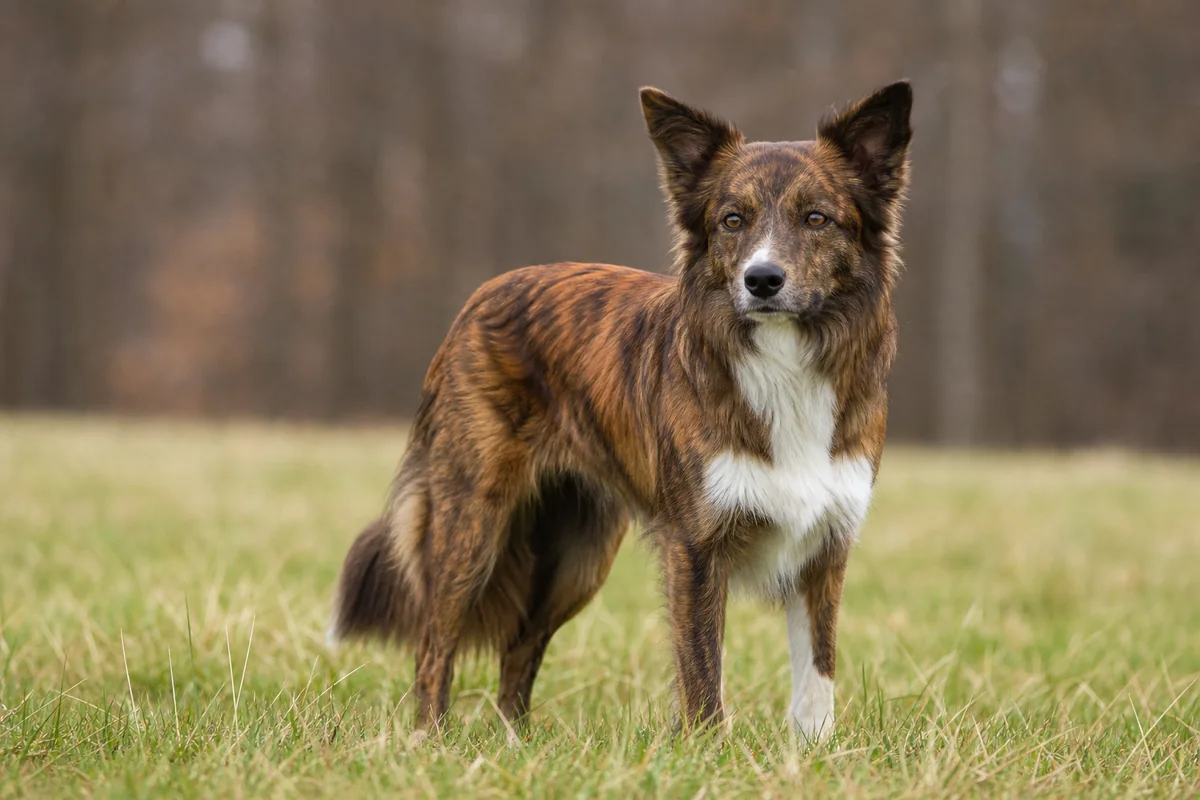
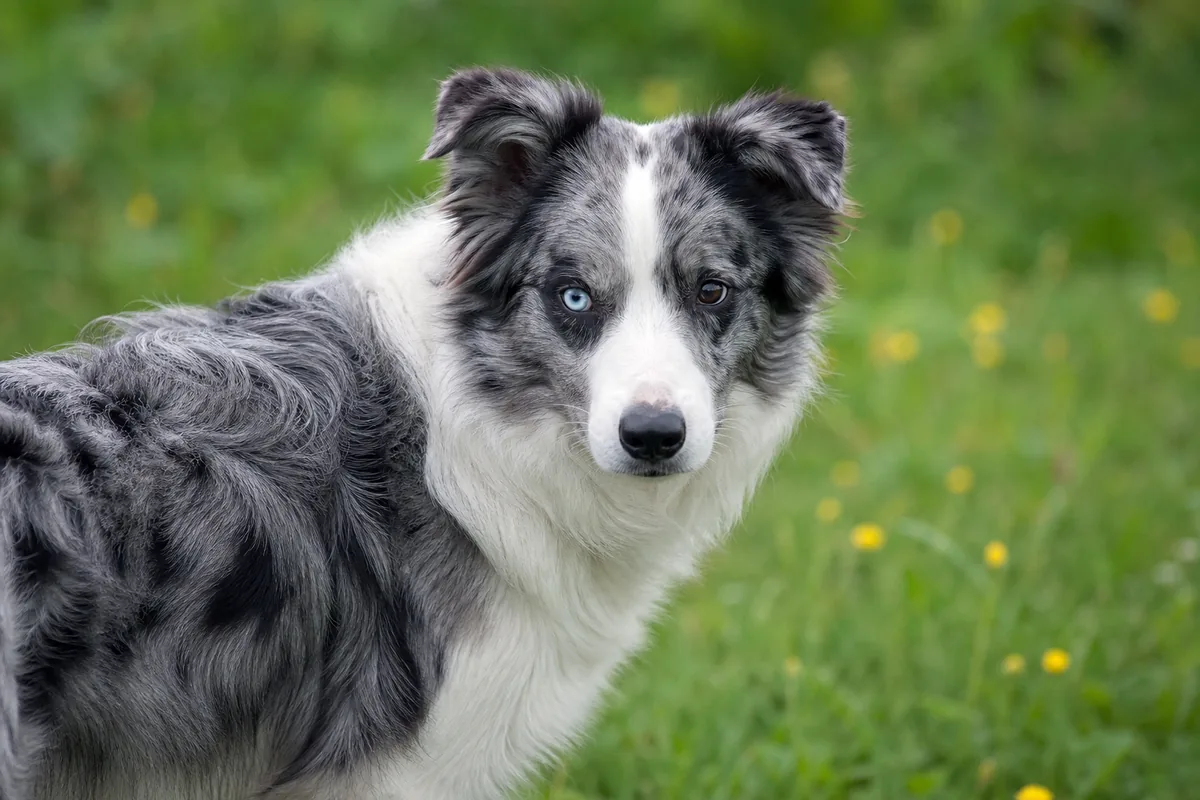
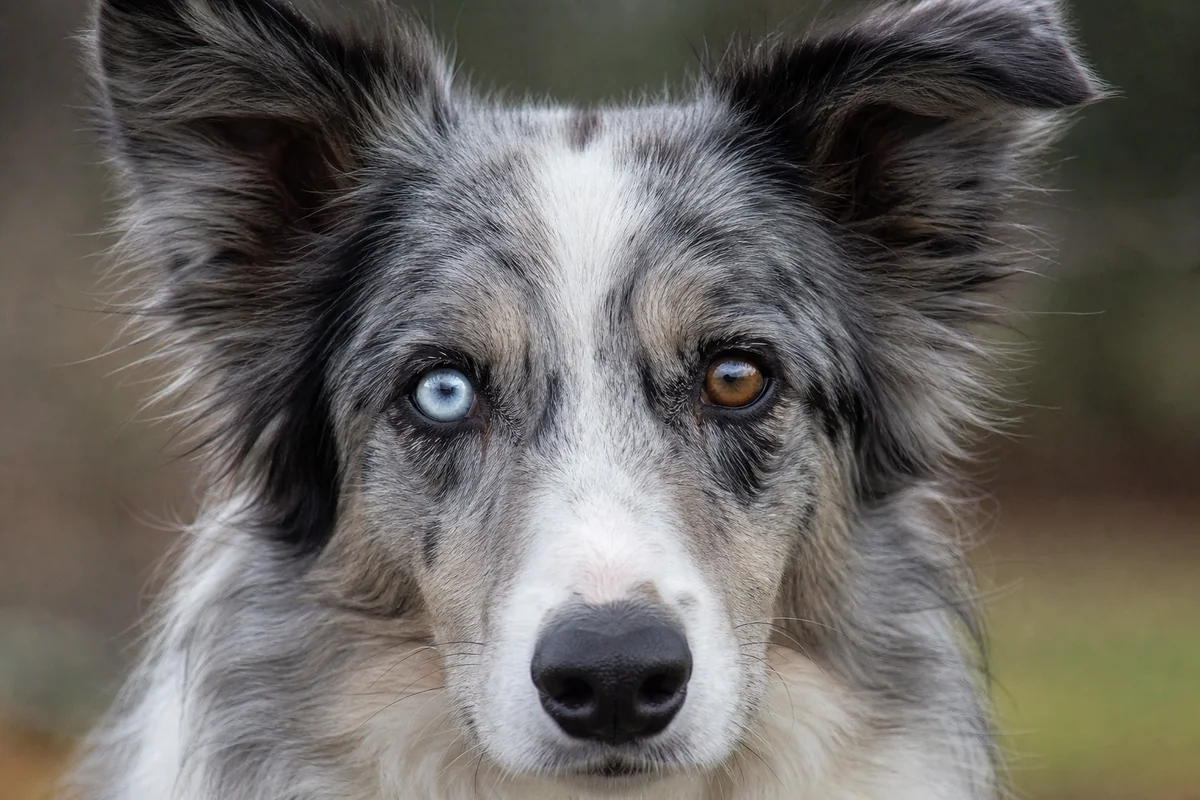
The important visual effect is that e/e can prevent dark pigment from appearing in much of the hair. A dog may therefore look red or gold even though other loci would otherwise influence a black, brown, dilute, tan-point or merle pattern. The merle guide and tan-point guide are useful comparisons, but a hidden pattern should not be “reconstructed” from the red coat.
Masking describes what reaches the hair, not a deletion of the dog’s DNA. A visible ee-red phenotype cannot tell you which other alleles are present, whether a particular variant is covered by a panel, or how another pattern would have looked without the E-locus effect. Avoid a universal genotype equation: a label such as “red underneath” is a hypothesis until the relevant test and report support it.
Do the nose and eyes reveal the hidden colour?
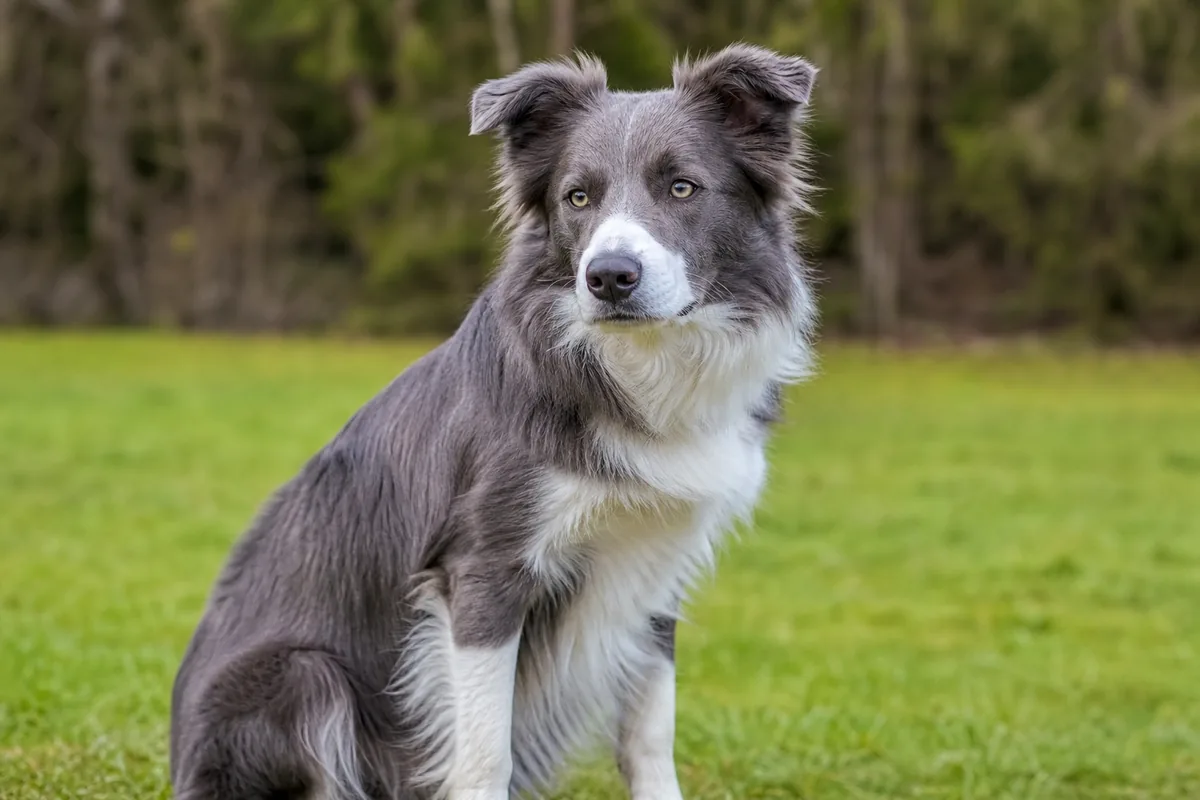
Not automatically. Nose leather, eye rims and lips can provide pigment clues, but colour is affected by development, age, seasonal light, tissue variation and how a person names a shade. A puppy’s nose may look uneven or pale while pigment is developing; a photograph may also shift a brown, slate or black appearance. Neither a nose nor an eye is a complete substitute for a laboratory report.
Describe what you can actually see: “warm gold coat, dark nose leather, white blaze” is better than assigning a hidden genotype from a single feature. The nose and eye-colour guide adds visual context without turning pigmentation into a test. If the question affects breeding or research, ask what variant a laboratory tested, in which breed context, and what the report says it cannot conclude.
Why a puppy can look different later
Ee red coats may change in apparent depth as the puppy coat is replaced, the adult hair grows, and seasonal shedding changes the mix of undercoat and guard hair. Sun, wetness, indoor lighting and camera processing can make the same dog look cream in one image and copper in another. White markings can also seem larger or smaller as surrounding hair length changes. Record age, coat condition and light with every comparison.
Use a simple photo log: a full side view, face, back, legs and close-up of the nose, all taken in indirect daylight. Do not edit colour balance when the purpose is identification. The coat-types guide explains why rough, smooth and intermediate coats reflect light differently. A changed photograph is not evidence of a changed genotype.
Phenotype, pedigree and genotype
A phenotype is the observable coat: its shade, distribution, texture and markings. A genotype is the allelic information at one or more loci. Pedigrees provide ancestry and historical labels; they may be useful context, but “red,” “gold,” “cream” and “Australian red” are not necessarily used consistently across registries, countries or generations. A pedigree cannot by itself prove e/e.
When reading a DNA report, retain the laboratory, date, sample identifier, panel or variant version, locus, result wording and any limitation or “not tested” note. Check whether the test identifies the relevant MC1R variant directly or only reports a broader interpretation. A panel can establish selected variants in a sample; it does not promise to explain every visible shade or every interacting locus. The UC Davis panel description is a useful example of explicit test scope.
Standards and responsible description
The AKC Border Collie standard gives breed context for colours and markings, while the AKC breed overview describes the breed more broadly. Its judges’ study guides also illustrate why a coat name is only one part of an overall evaluation. Ee red is not a value scale: shade or rarity does not predict health, hearing, temperament, working ability or suitability.
Care for the coat you have
Ee red does not call for bleaching, colour-enhancing products or aggressive grooming. Use a brush appropriate to the coat and follow VCA’s professional coat-care guidance. If a patch is raised, crusted, itchy, painful, bleeding or changing as skin rather than hair, treat it as a veterinary question. The Merck Veterinary Manual’s dermatology overview explains why skin findings require clinical assessment.
FAQ
What does ee red mean?
It is a common shorthand for a recessive-red phenotype associated with the E locus and MC1R. The coat may be described as red, gold, cream or another warm shade. The visual label is not, by itself, proof of a specific laboratory genotype.
Does e/e hide other coat genes?
It can prevent dark pigment and some visible patterns from appearing in the hair, so other loci may be visually masked. Masking is not erasing: only an appropriate test and report can address selected variants, and a red coat cannot reconstruct every hidden pattern.
Can I identify the hidden colour from the nose?
No. Nose leather can offer clues, but puppy development, lighting, natural variation and naming conventions limit inference. A nose or eye photograph should not be treated as a complete test for black, brown, dilute or any other underlying genotype.
Why does an ee-red puppy change shade?
Coat replacement, adult hair, shedding, sunlight, wetness and camera settings can all change perceived colour. Keep dated, unedited photographs in comparable light. A visual change does not mean the dog’s genotype changed.
Can a pedigree prove e/e?
No. A pedigree records reported ancestry and colour terms, which may vary across sources. It can provide context but cannot replace a current report that identifies its tested MC1R variants and states its limitations.
Does ee red predict health or temperament?
No. Coat colour is not a clinical, hearing, temperament or performance test. Do not infer health, character, trainability or suitability from gold, red or cream hair; evaluate those questions with appropriate veterinary or behavioural evidence.
Sources and a sensible next step
For an additional professional perspective on normal coat change, see the AAHA guide to shedding. Compare source dates and exact test language before drawing conclusions. A good record says what the dog looks like, when it was observed and what remains uncertain; it does not force a shade into a genetic claim.