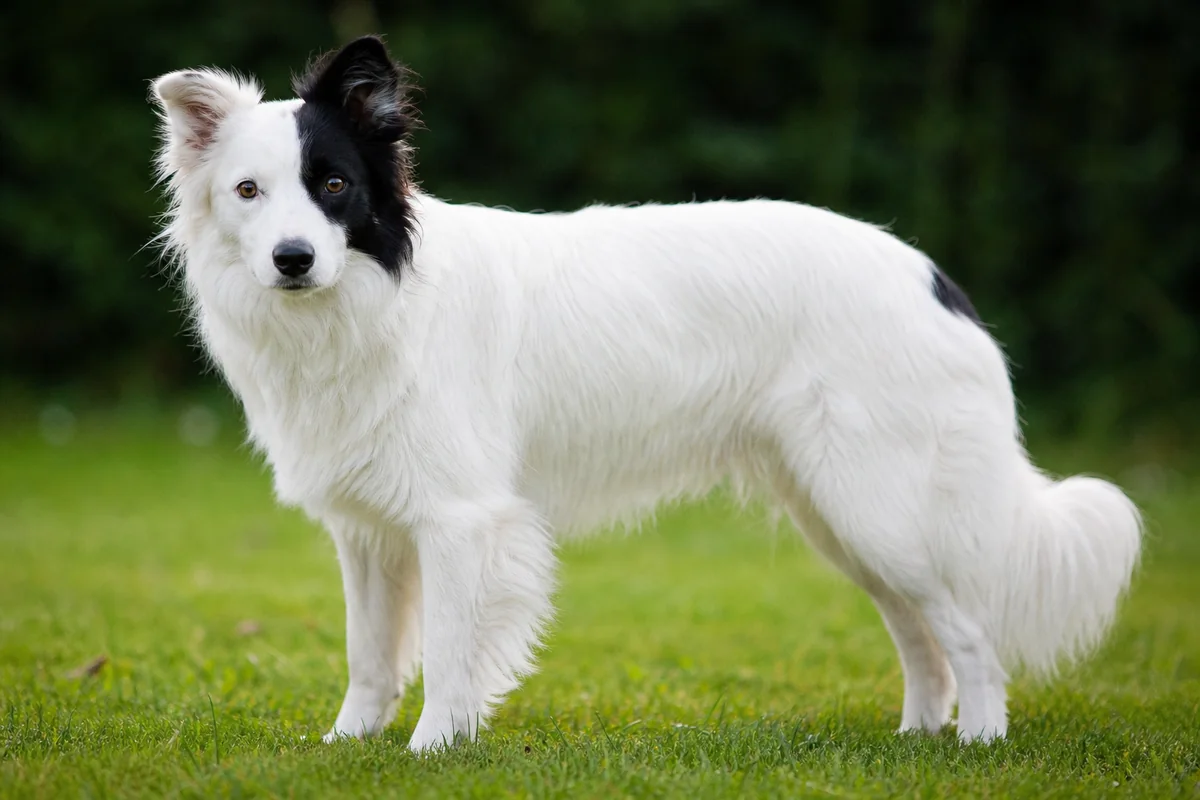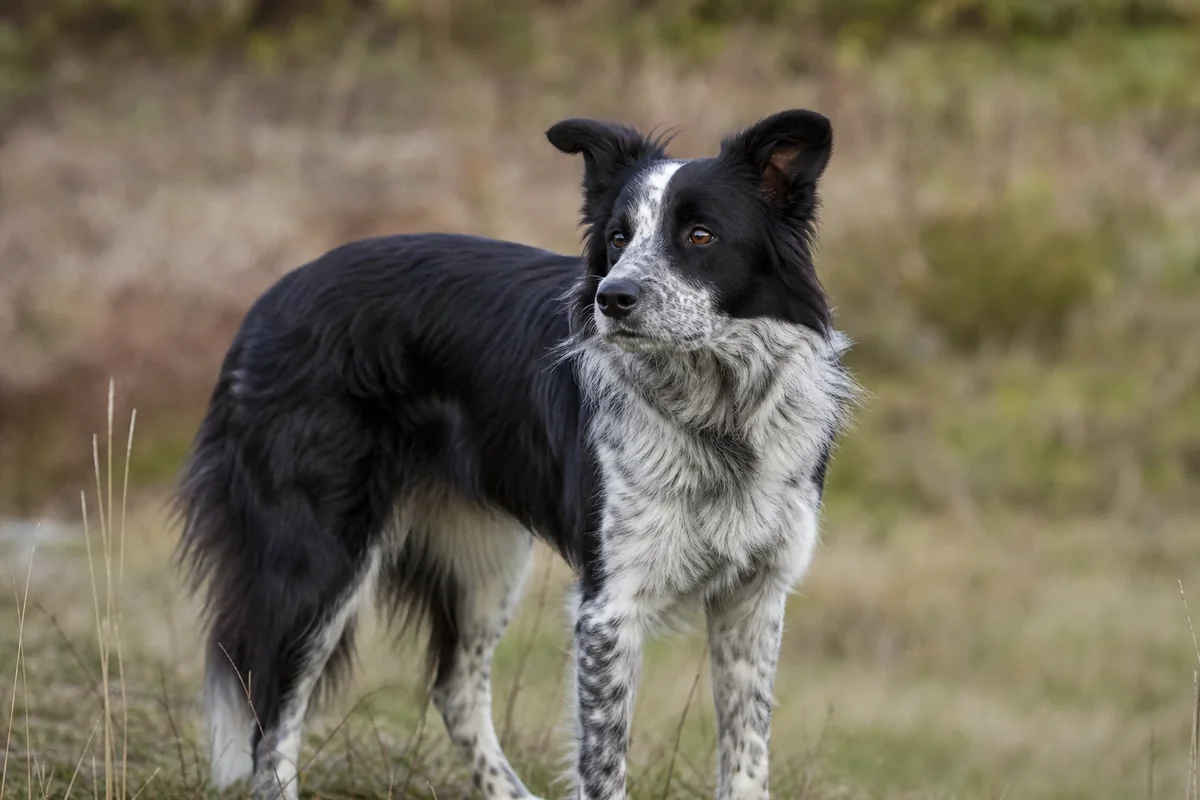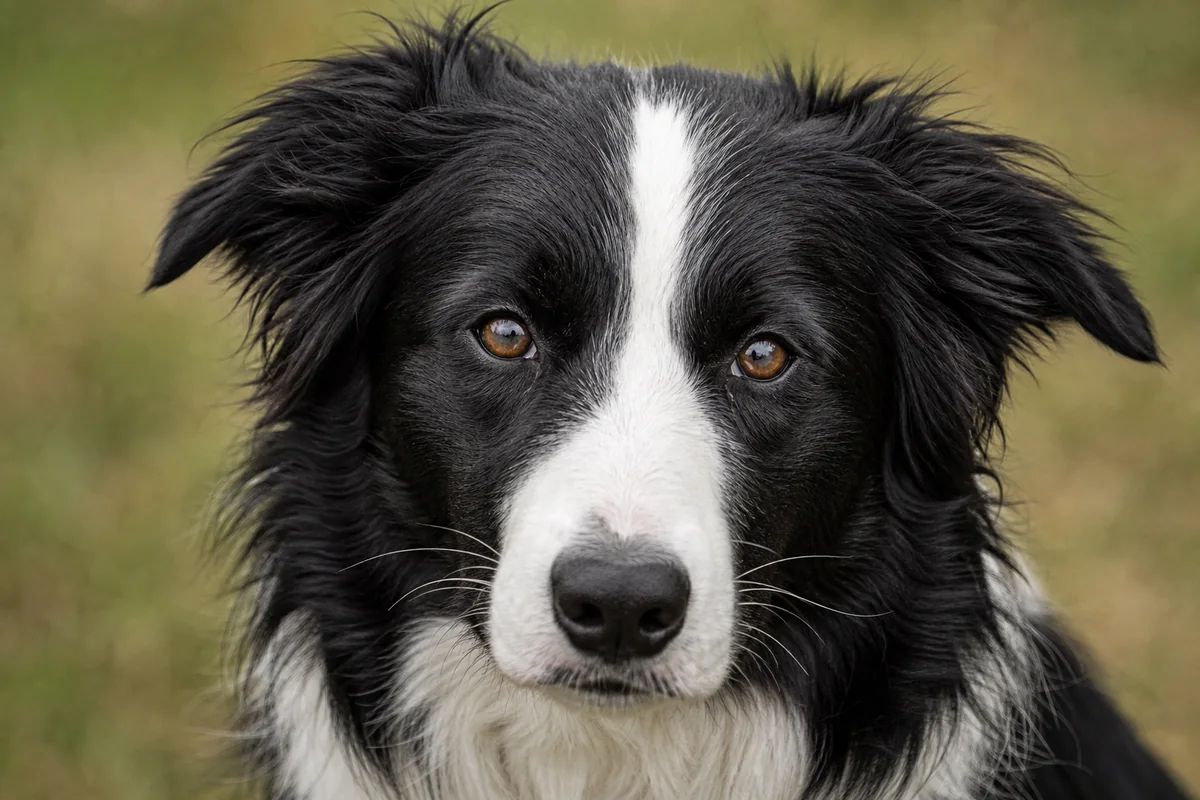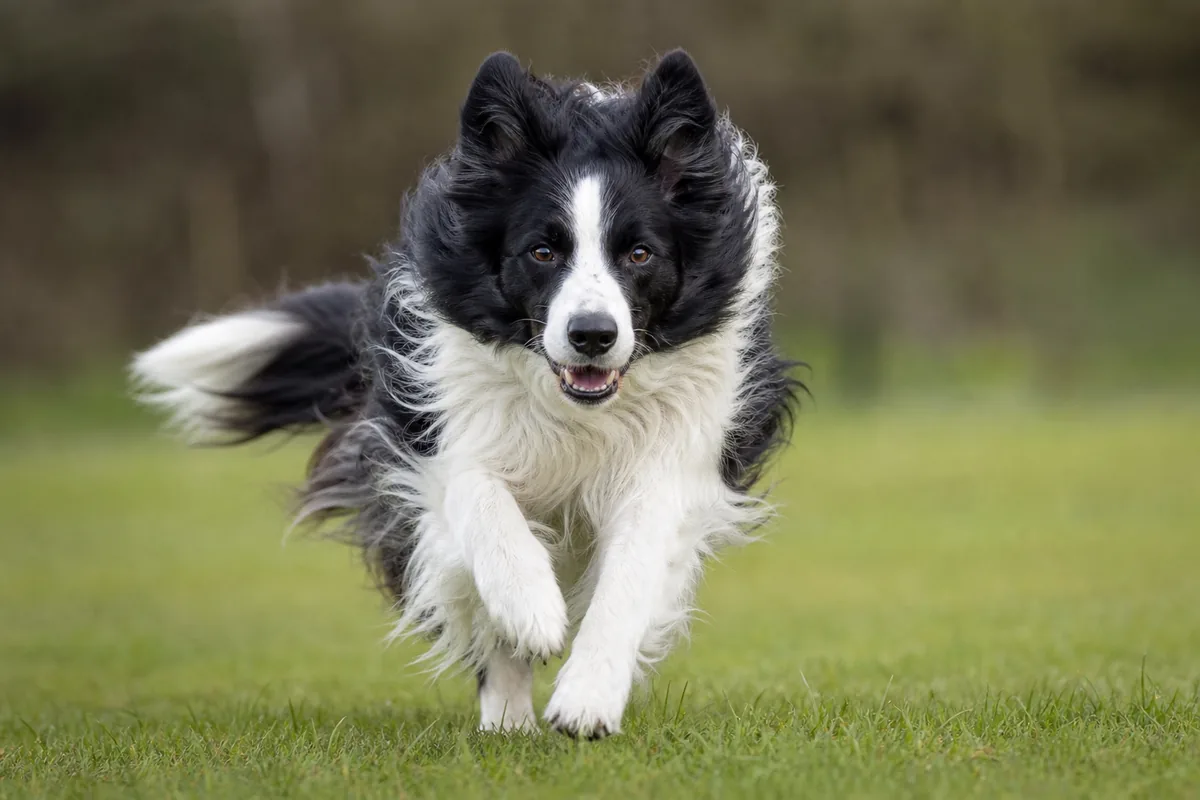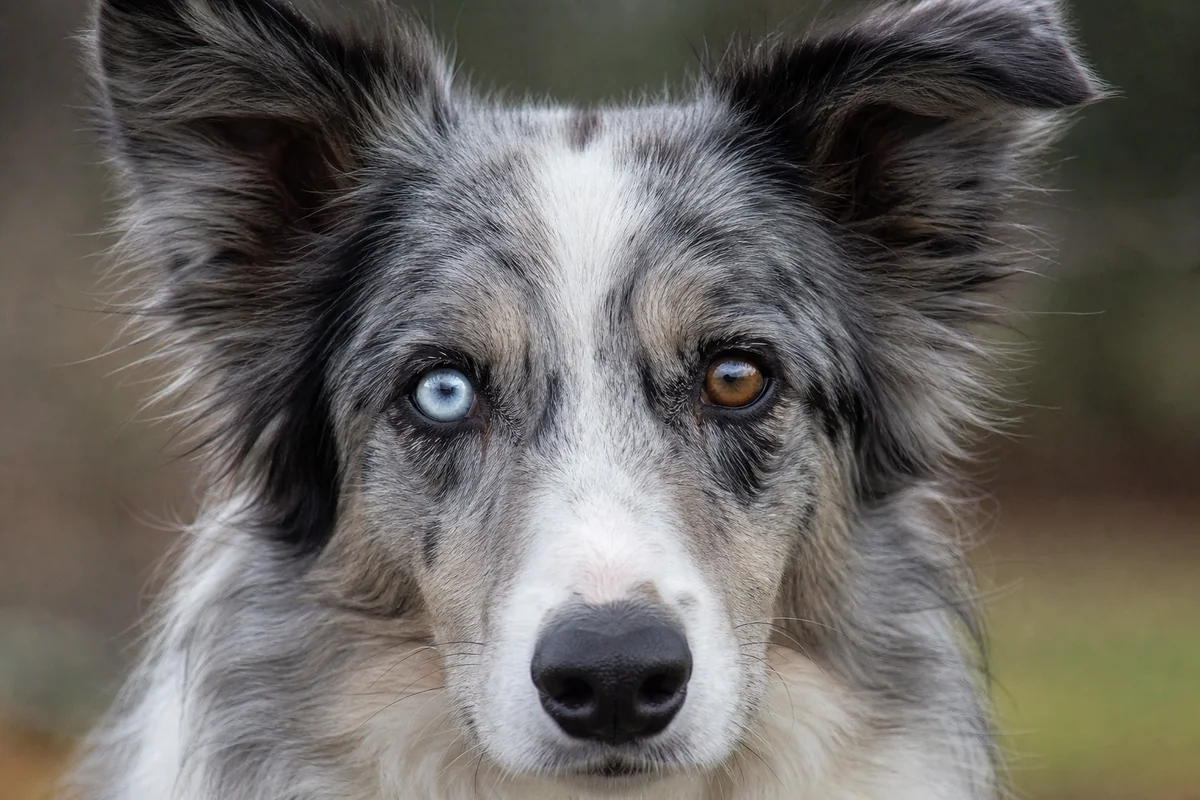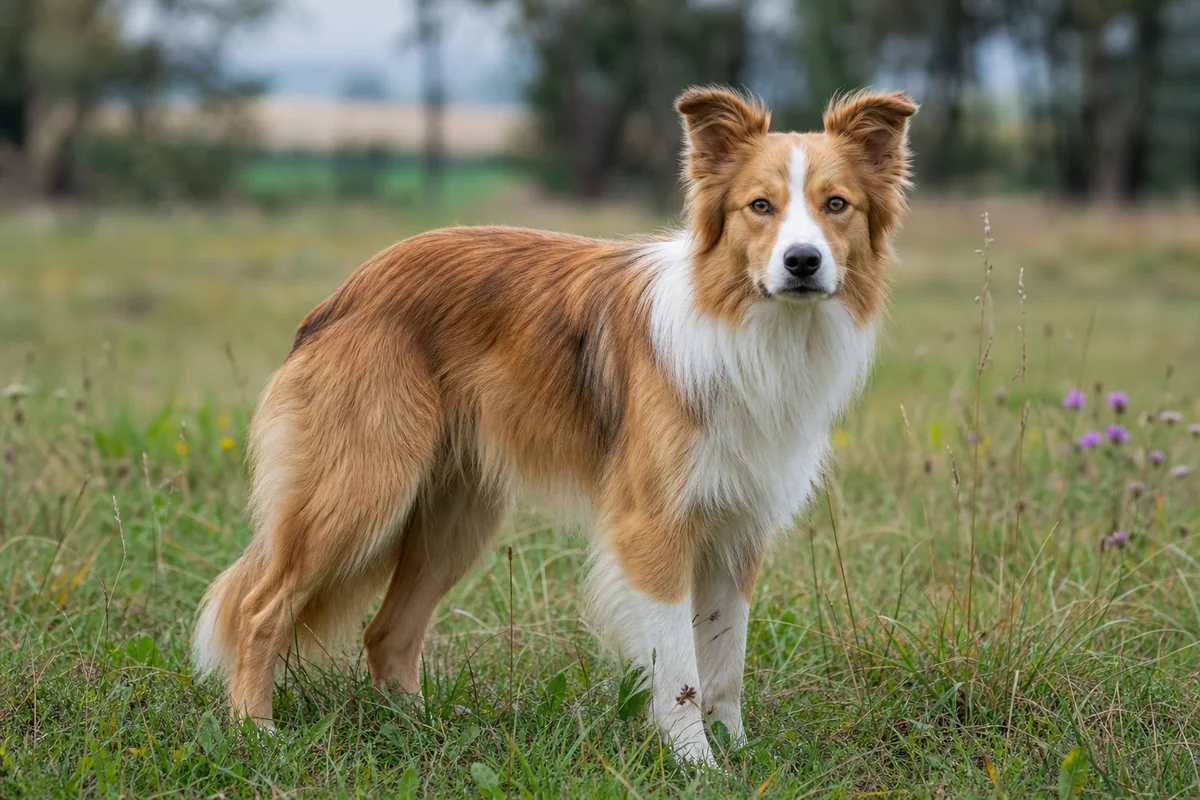
Sable is a description of a moving surface, not a complete genetic identity. The word usually points to red-to-yellow pigment with darker tipping or overlay in some hairs. Clear, shaded and related labels help people communicate, but a photo cannot turn a coat name into a genotype or a prediction about the dog.
What sable looks like
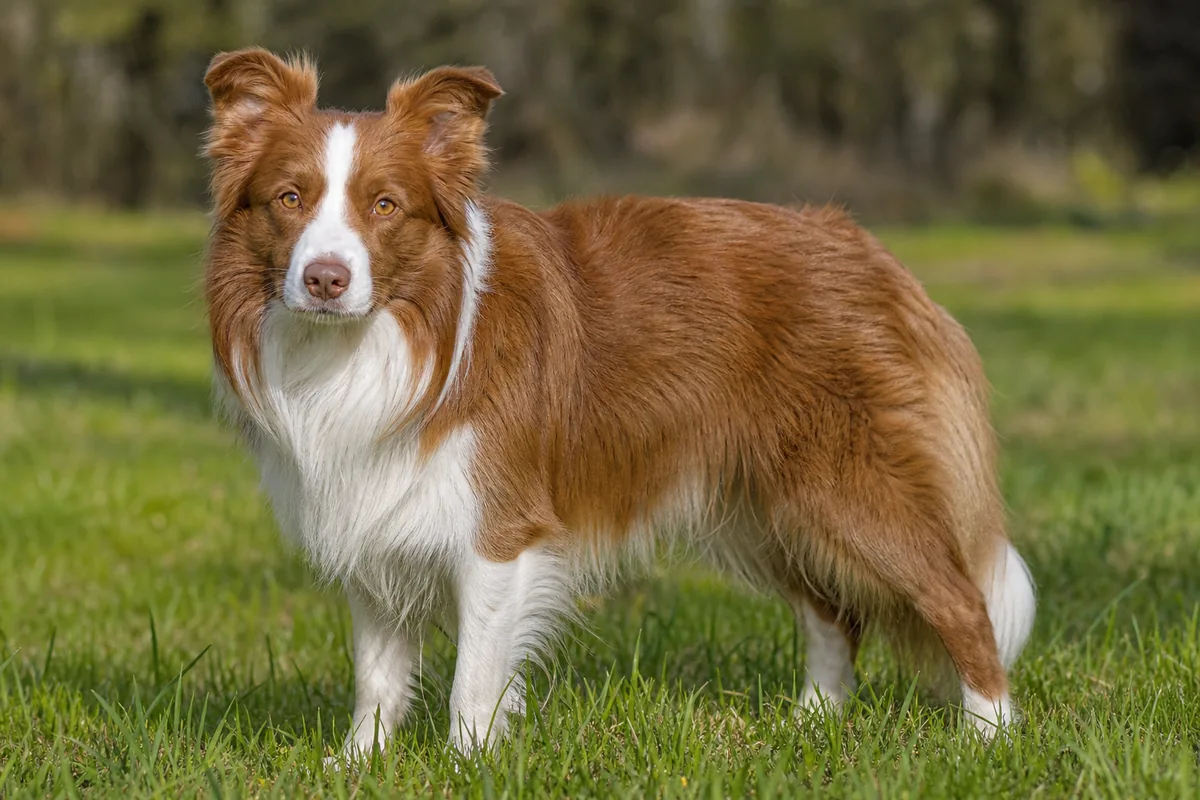
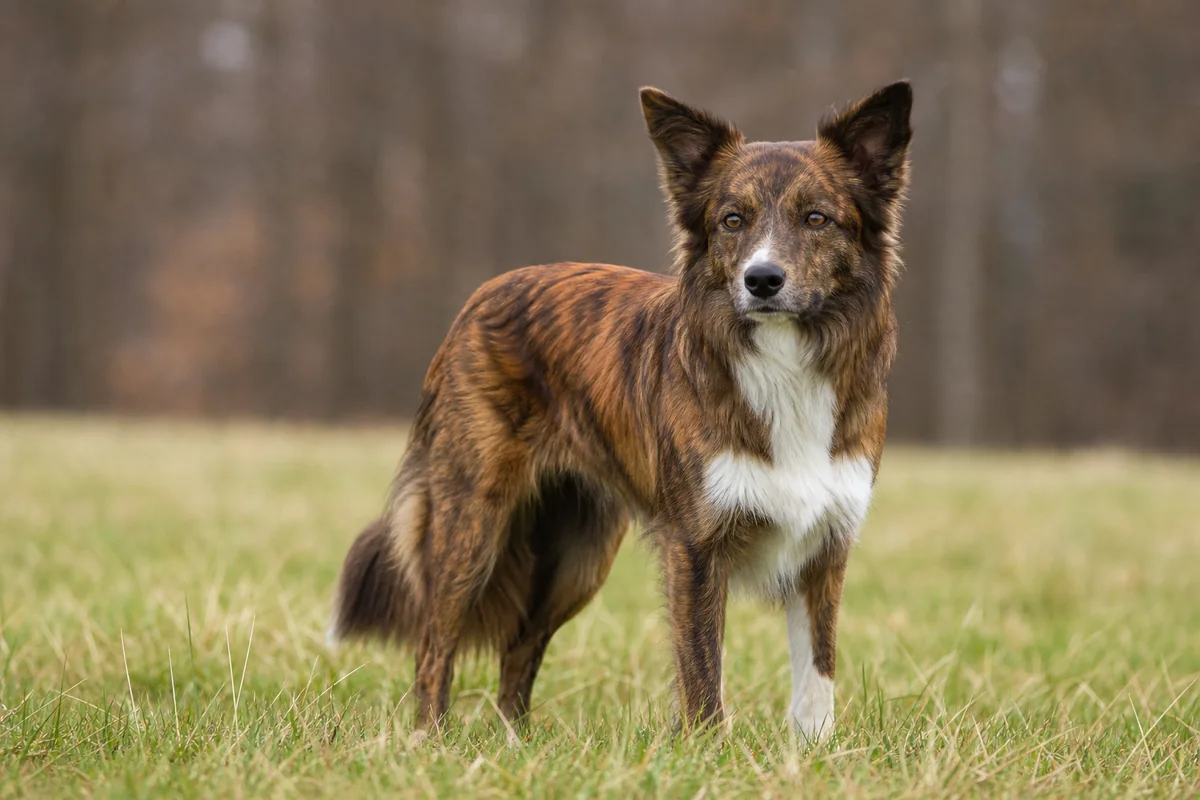
A sable Border Collie often reads as gold, tan, fawn or warm red at a glance. Individual hairs may be lighter at the base and darker toward the tip, or the coat may carry a darker overlay around the ears, shoulders, back or tail. The amount and distribution of darker hair vary widely. “Clear sable” and “shaded sable” are useful visual descriptions, not universally measured categories.
Start by recording what is visible: the base shade, where darker hairs occur, whether tipping is concentrated on the ears or spread across the body, and the colour of the nose and eye rims. Do not assume that a dark puppy is a different colour from an adult, or that a pale adult has lost a hidden allele. Coat length, sun, grooming and seasonal change alter the impression.
Phaeomelanin, eumelanin and the A-locus vocabulary
Canine coat discussions commonly distinguish phaeomelanin, the red-to-yellow pigment, from eumelanin, which can appear black or brown. Sable descriptions focus on where red/yellow pigment is expressed and where darker eumelanin appears in individual hairs. That visible pattern is the outcome of interacting systems, not just one colour switch.
ASIP and “A locus” are shorthand used in genetic explanations of pigment switching and distribution. The UC Davis Veterinary Genetics Laboratory basic panel describes ASIP as interacting with MC1R to influence the amount, type and distribution of black and red/yellow pigment. That is a sound teaching framework, but it is not a universal equation for every Border Collie. Variant names, breed relevance and laboratory coverage must be checked in the source you are using.
Use “sable” as a working description
A caption such as “golden coat with dark-tipped hairs” tells the reader what was observed. A claim about a particular A-locus allele requires documented pedigree information or a relevant laboratory result. Keep phenotype, genotype and interpretation in separate notes.
Overlay, charbonné and the limits of a photo
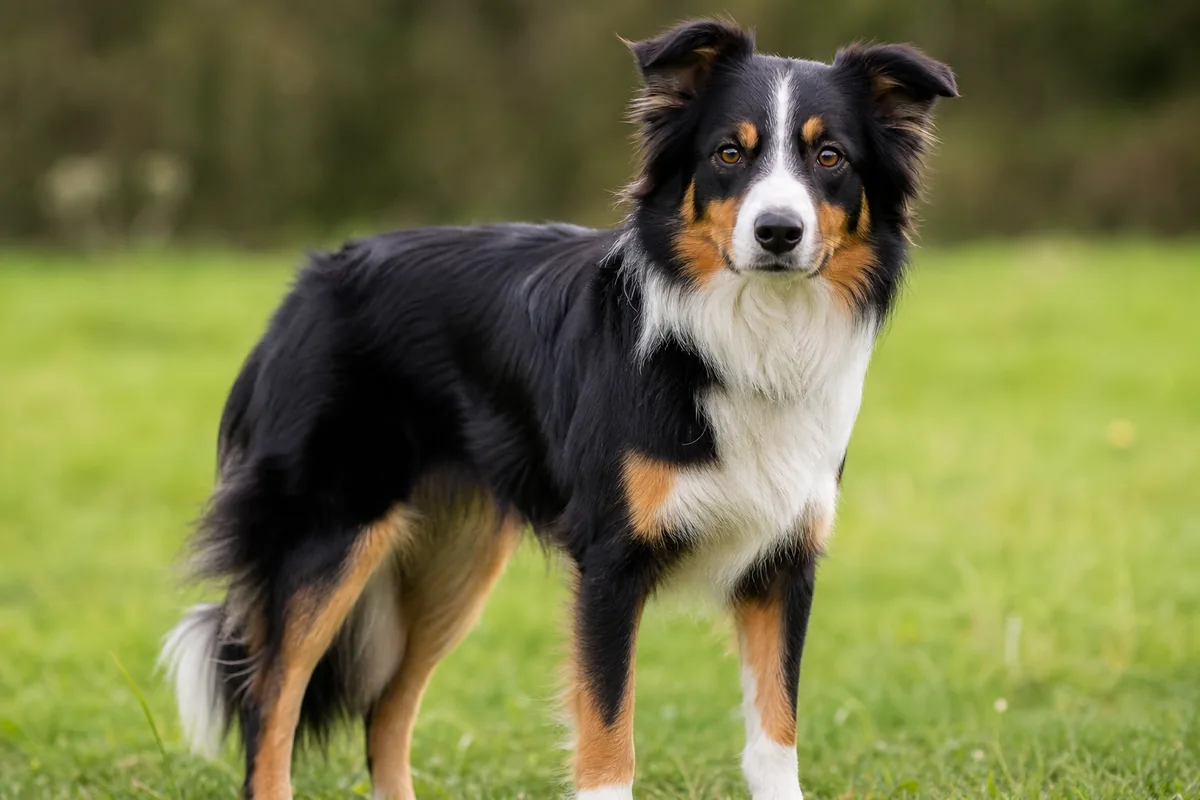
Some owners use overlay or charbonné for a coat with a strong layer of dark hairs over a lighter base. Those words can be helpful, but they are not always used consistently. A dark saddle-like area, shaded back or black ear tips may reflect the distribution of tipped hairs, a separate pattern interaction, age-related change or simply the way the coat is lit. Do not infer a precise locus from the word “charbonné.”
Photography makes the problem harder. Warm indoor light can turn gold orange; blue shade can make brown tipping look black; wet hair clumps; and phone processing deepens shadows. A close-up may exaggerate a few dark hairs, while a distant image hides them. Record the date, age, light source, coat condition and body area. Compare several photographs in similar light before deciding whether the appearance really changed.
How other loci can alter the impression
Sable is not a promise that every dark tip is black. The B system may be relevant when eumelanin appears brown; compare the site's Brown / Chocolate guide. Dilute variants may change the appearance of eumelanin; see Blue, Slate & Lilac. An E/MC1R interaction can affect pigment switching or mask what another system might otherwise show; read ee Red with its limitations.
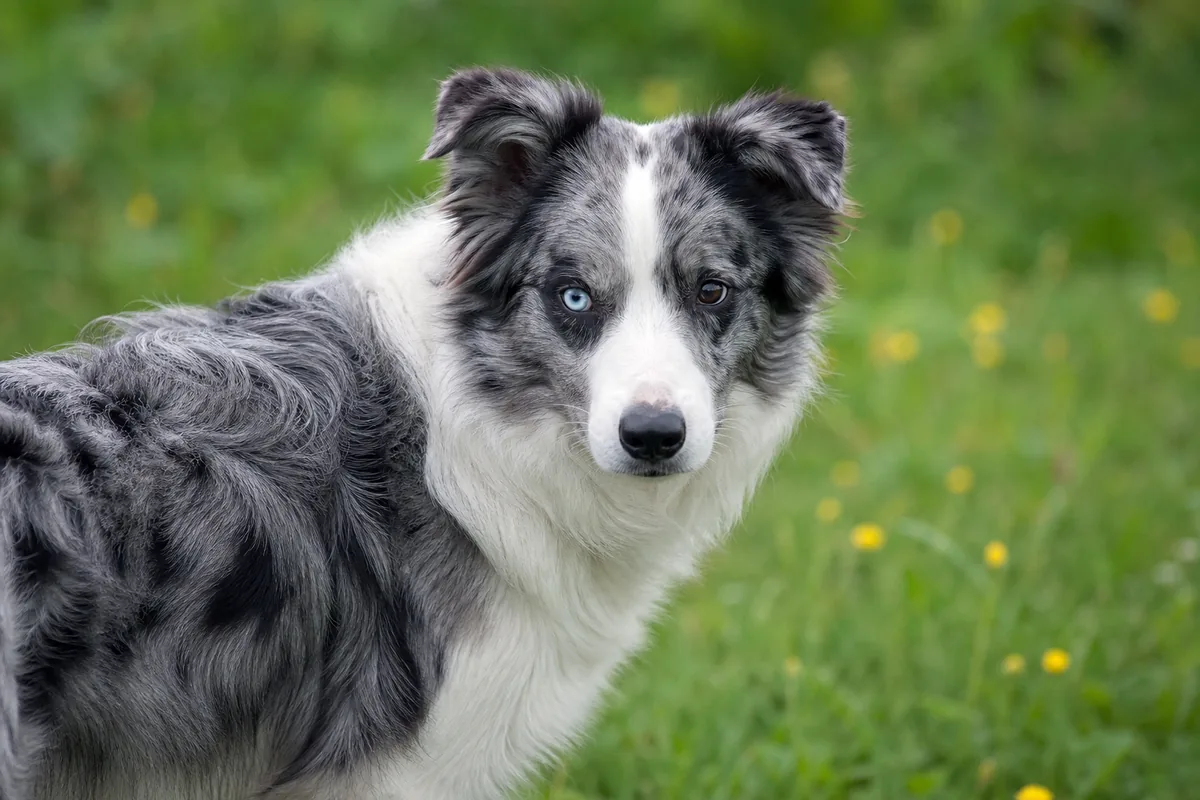
Pattern language is a separate layer. White areas can interrupt the gold or overlay, so compare White / Irish Spotting, Face Markings and Ticking. A merle question needs its own evidence and should not be diagnosed from sable shading; use Merle as a separate guide. The UC Davis coat-colour resource is useful because it describes these systems as interactions rather than as a single visual checklist.
Puppy-to-adult change
Sable coats often invite premature labels because puppies change quickly. As the head and body grow, a given patch occupies a different proportion of the silhouette. Adult guard hairs may show more or less tipping than puppy hair. Seasonal shedding can expose a different underlayer, while sun and grooming change the surface. These changes may be entirely normal and do not demonstrate that the inherited colour has changed.
Keep dated, comparable photos if you are documenting a coat. Note age, season, grooming, light and whether the hair is wet. The VCA coat-care guide explains why coat condition and grooming affect appearance, and the AAHA shedding guidance distinguishes normal shedding from sudden hair loss that merits veterinary attention.
Pedigrees, panels and laboratory reports
A pedigree can preserve family colour descriptions, but a written “sable” label is not automatically a molecular result. A panel can answer only the variants it includes, under its own definitions and coverage. Before testing, write the question: are you checking a named variant, clarifying parentage, understanding a confusing record or investigating something clinical? Then read sample requirements, panel version, breed coverage, variant list and limitations.
Keep the complete report with the dog's identification and sample date. Do not translate “clear,” “carrier” or “affected” between laboratories without checking what each means. The OMIA merle record shows how a database documents one specific trait; it is not a sable calculator. For breed context, compare the AKC Border Collie information and AKC standard. A standard describes an ideal and judging priorities, not an individual dog's genotype.
Sable is not a shortcut to character or health
No sable shade, overlay, charcoal label or tipped-hair pattern establishes health, hearing, vision, intelligence, temperament, trainability or working ability. Evaluate the individual dog through veterinary care, behaviour, structure, movement, environment and history. If the concern is a new skin, hair or pigment change rather than inherited colour, a veterinarian is the right professional; the Merck Veterinary Manual explains why similar skin signs can have different causes.
Frequently asked questions
What does sable mean in a Border Collie?
Sable is a descriptive coat term for red-to-yellow pigment with darker tipping or overlay in some hairs. Clear, shaded and other labels describe appearance; they do not prove a complete ASIP or A-locus genotype.
What are ASIP and the A locus?
ASIP and A-locus shorthand are used in discussions of pigment switching and distribution. They are a learning framework, not a universal equation; variant names, interactions and test coverage must be checked in the relevant source.
Can a photo prove that a dog is a y or a specific sable genotype?
No. A photograph can document visible colour and tipping, but lighting, coat age and other loci can create similar appearances. A relevant laboratory report or documented information is needed for genotype questions.
Why can sable coats become darker or lighter?
Puppy-to-adult coat change, seasonal shedding, sun, grooming, hair length and the balance of tipped and untipped hairs can change perceived shade. These changes do not by themselves show a new genotype.
Can chocolate or dilute variants change a sable's appearance?
Other pigment systems may alter the colour of eumelanin in tips or related pigment areas. Treat “chocolate sable” or “blue sable” as descriptive labels until the relevant variants are documented.
Does sable predict health, temperament or working ability?
No. Coat appearance cannot establish health, temperament, intelligence, working ability or quality. Evaluate the individual dog using veterinary, behavioural and breed-standard information.
Sources and further reading
References for this guide include the UC Davis VGL basic panel, UC Davis coat-colour resource, AKC Border Collie information, AKC Border Collie standard, OMIA, VCA coat care, AAHA shedding guidance and Merck dermatology guidance.