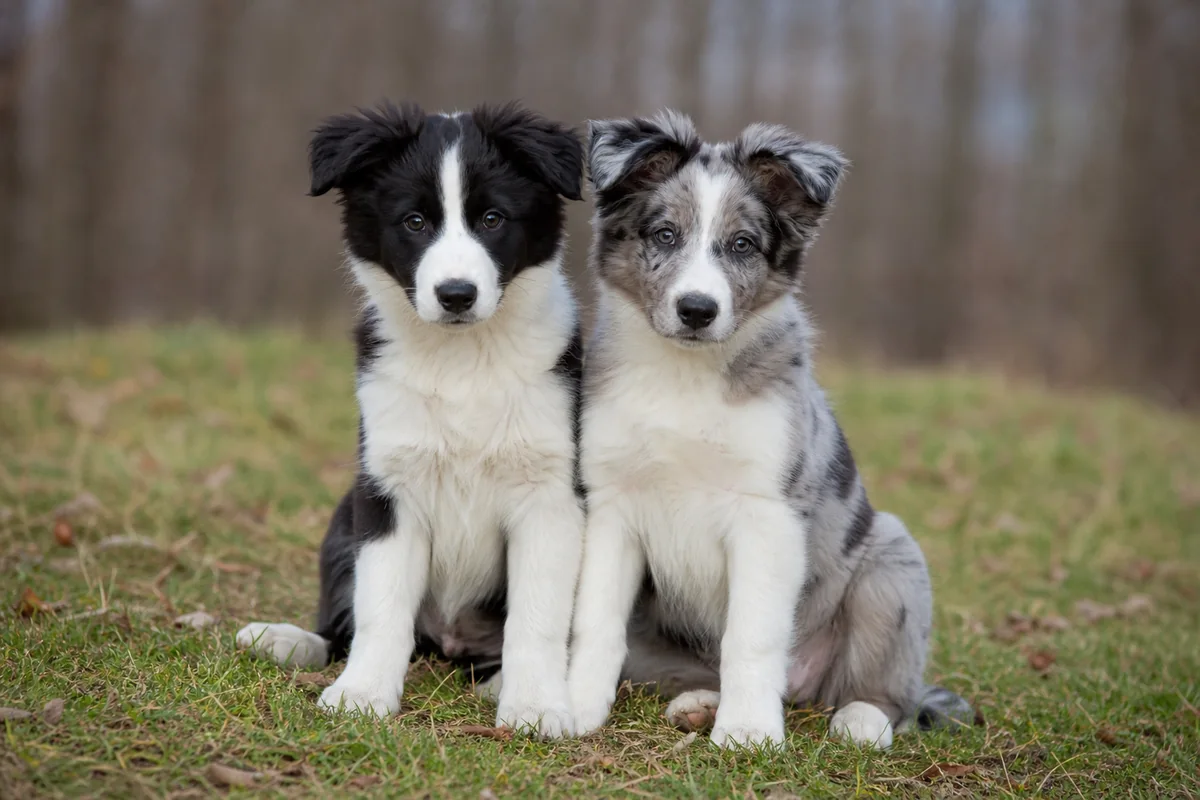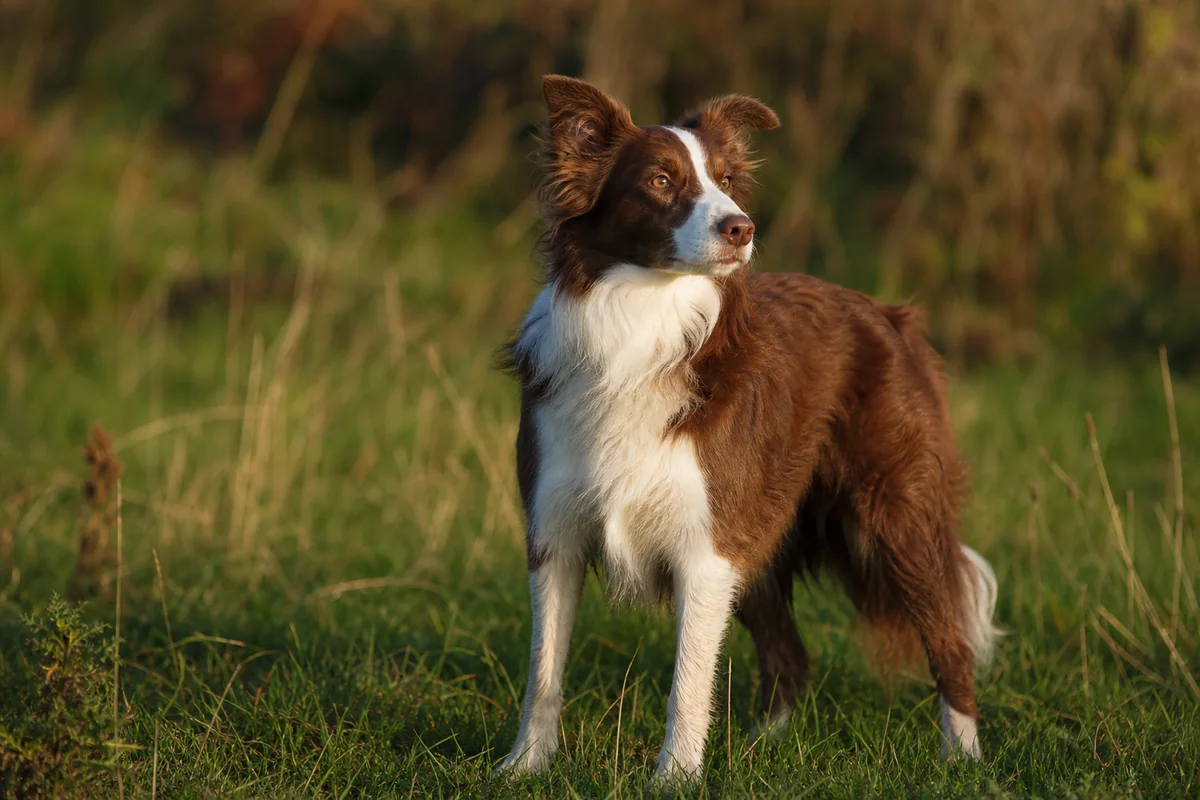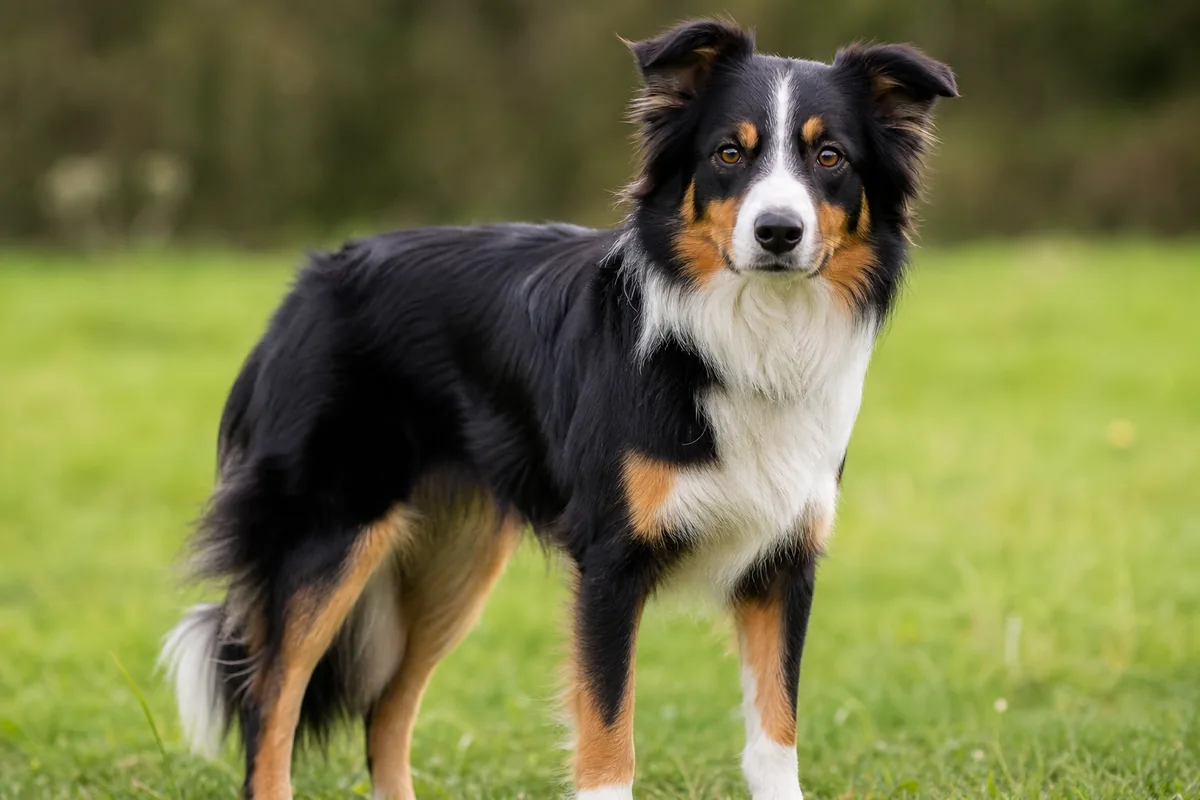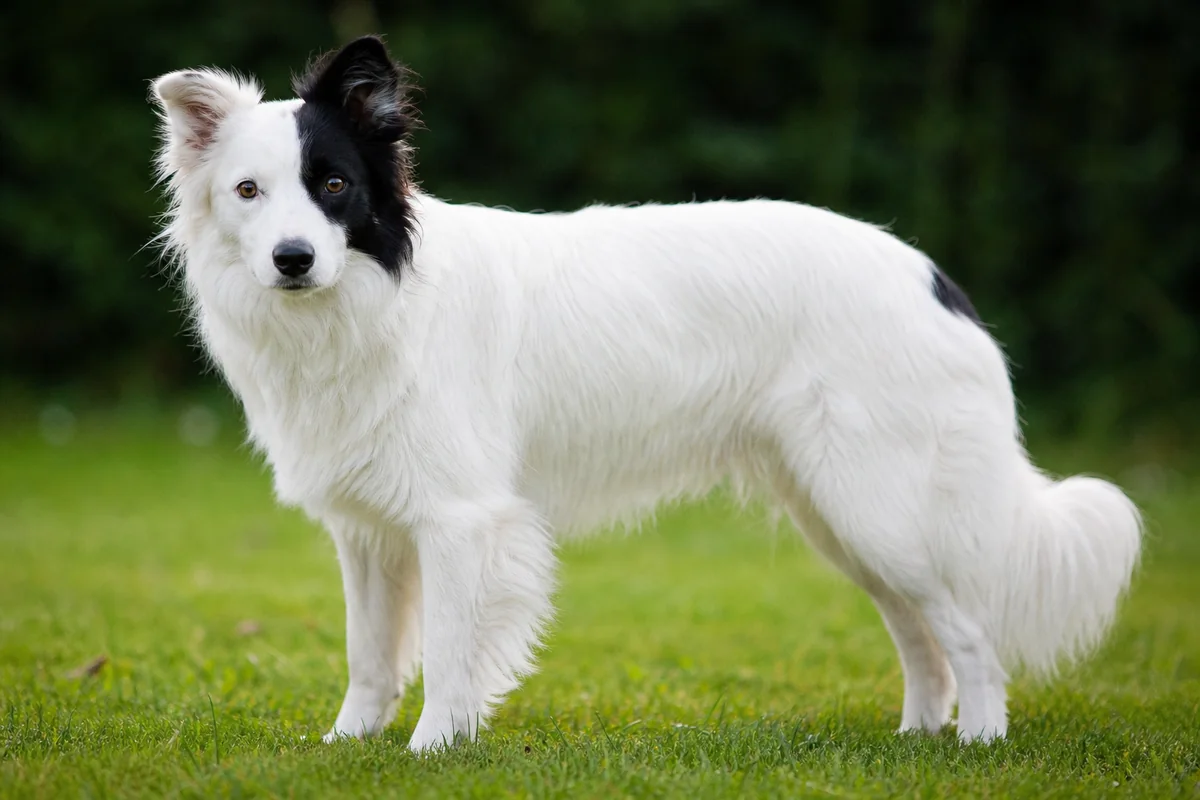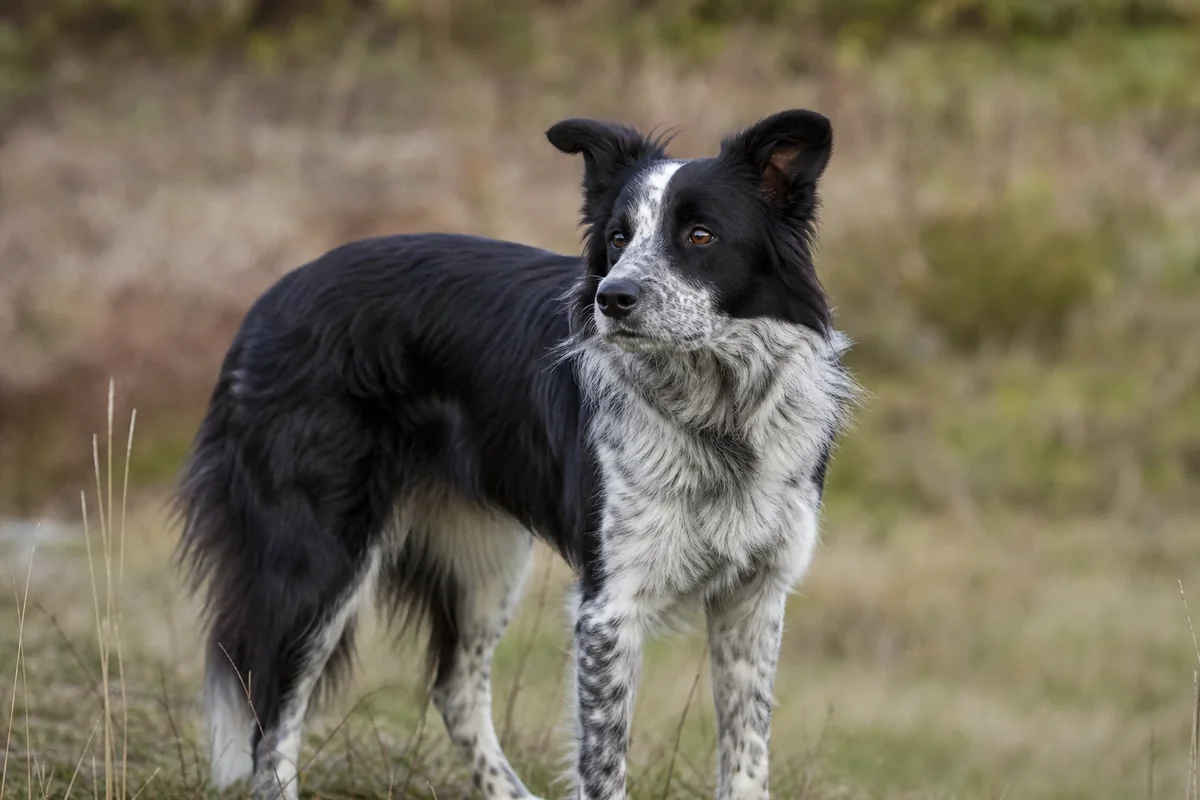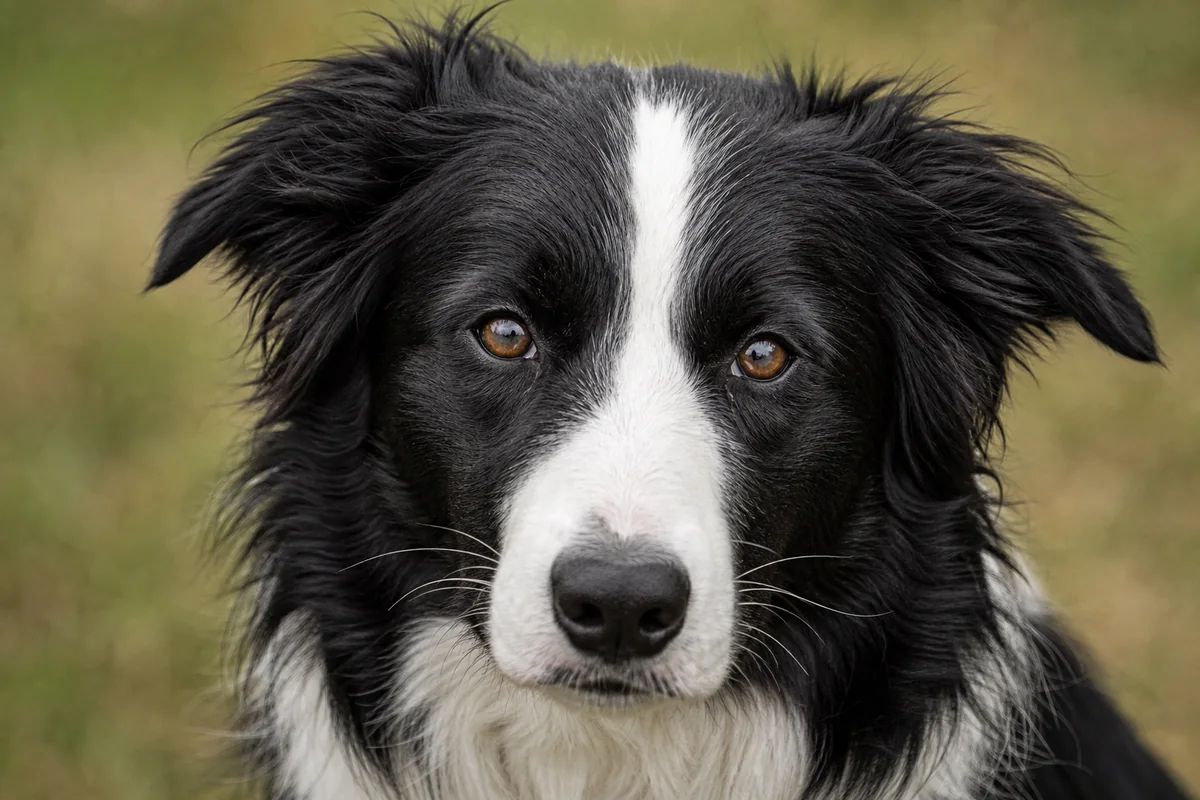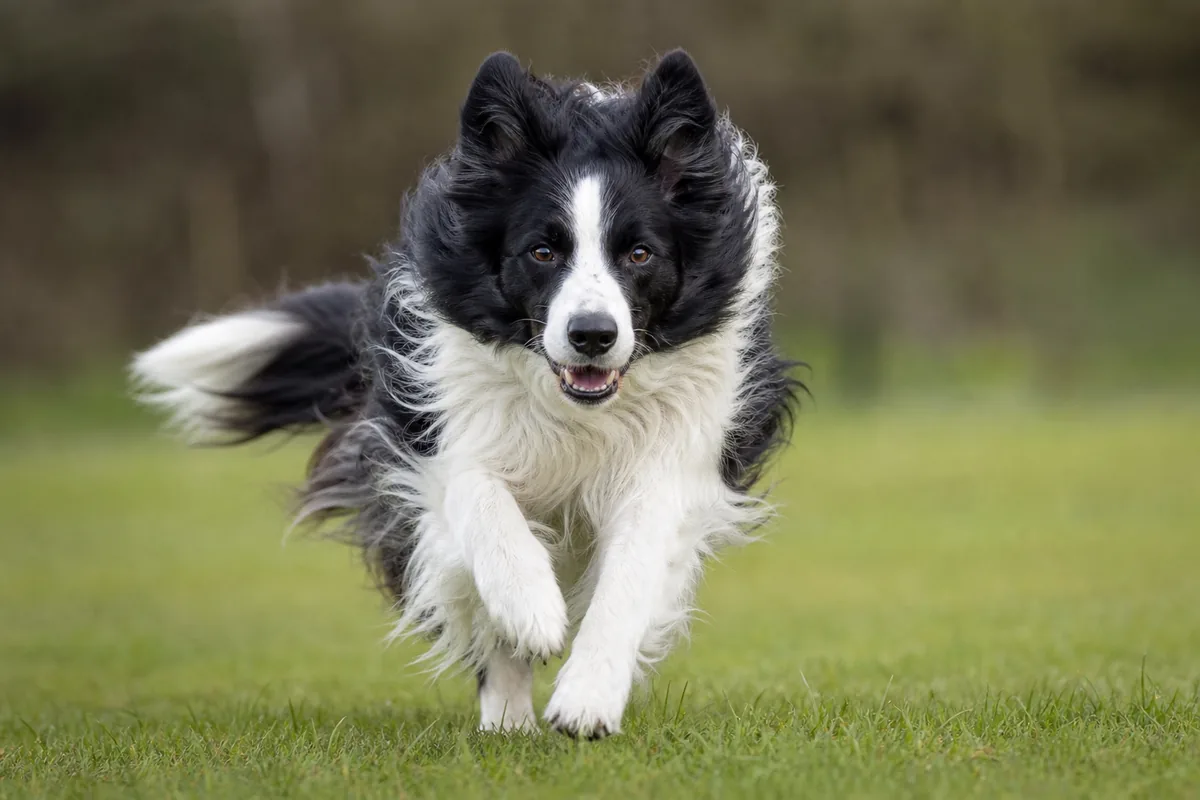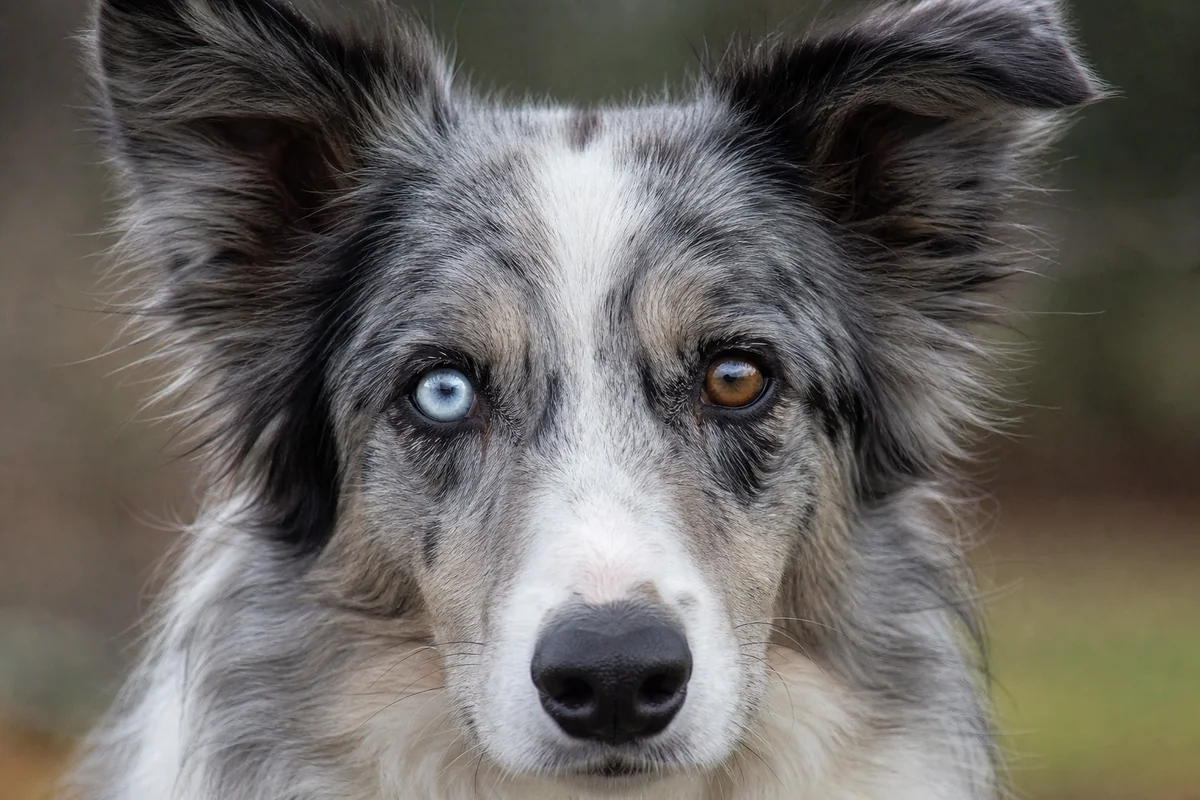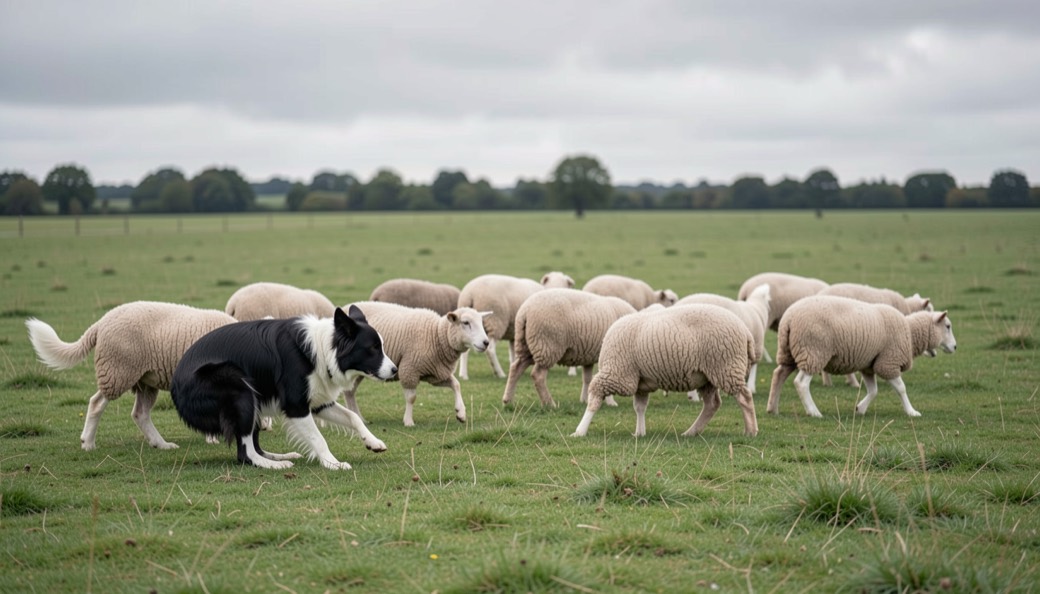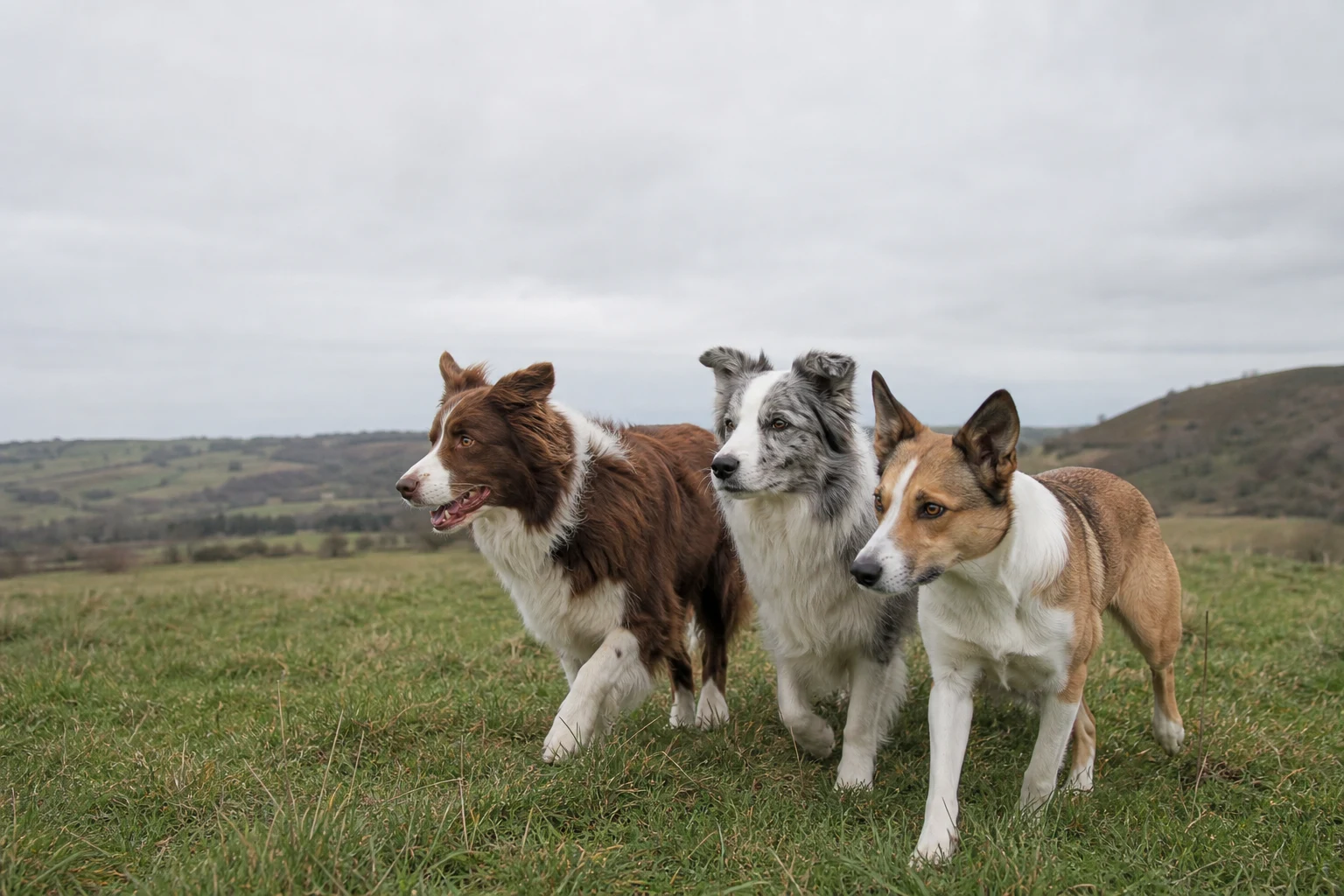
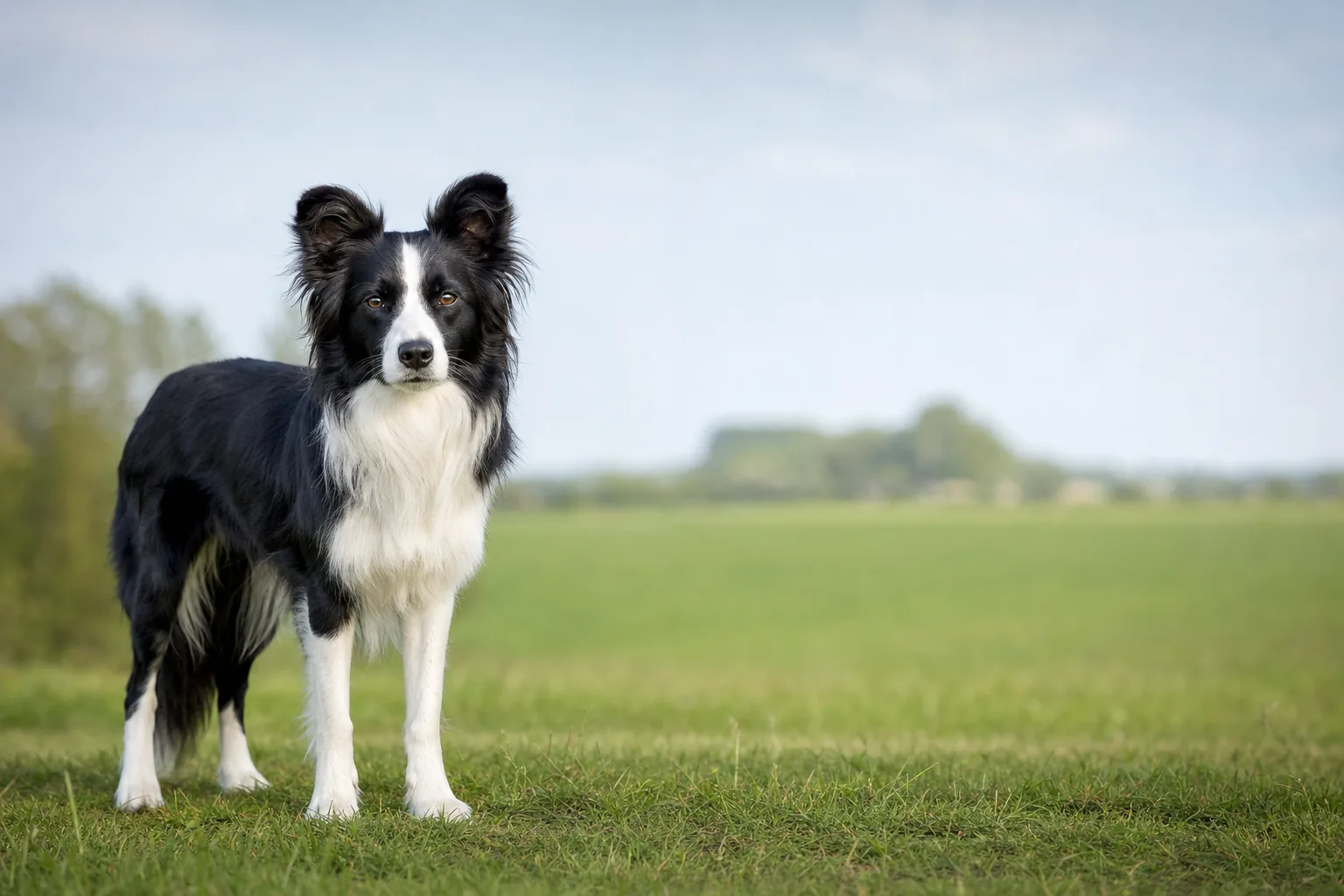
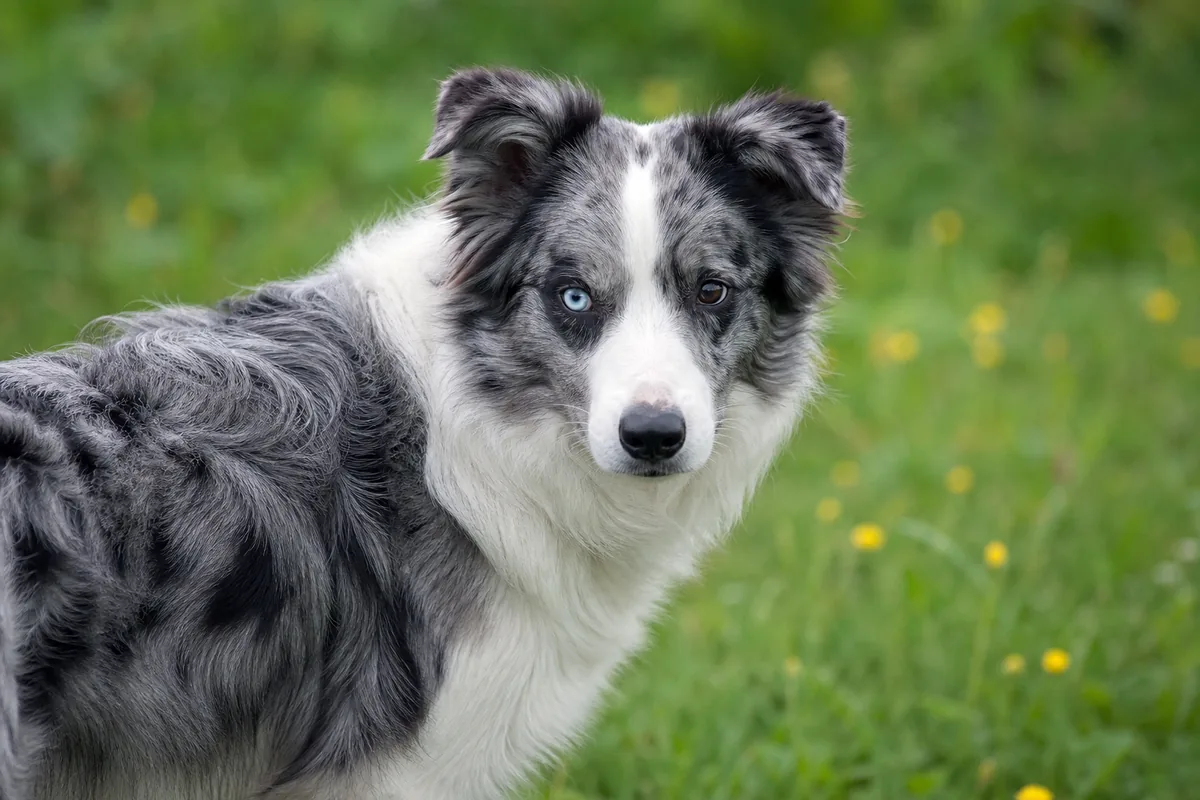
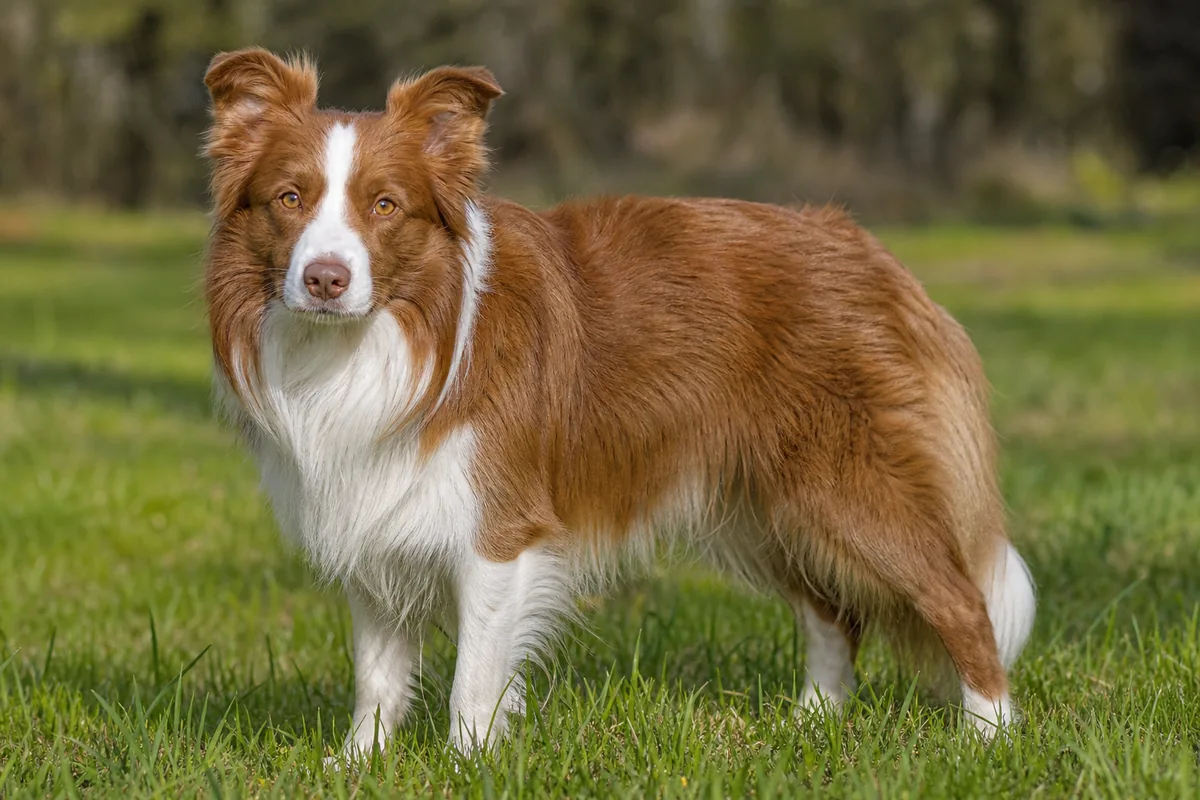
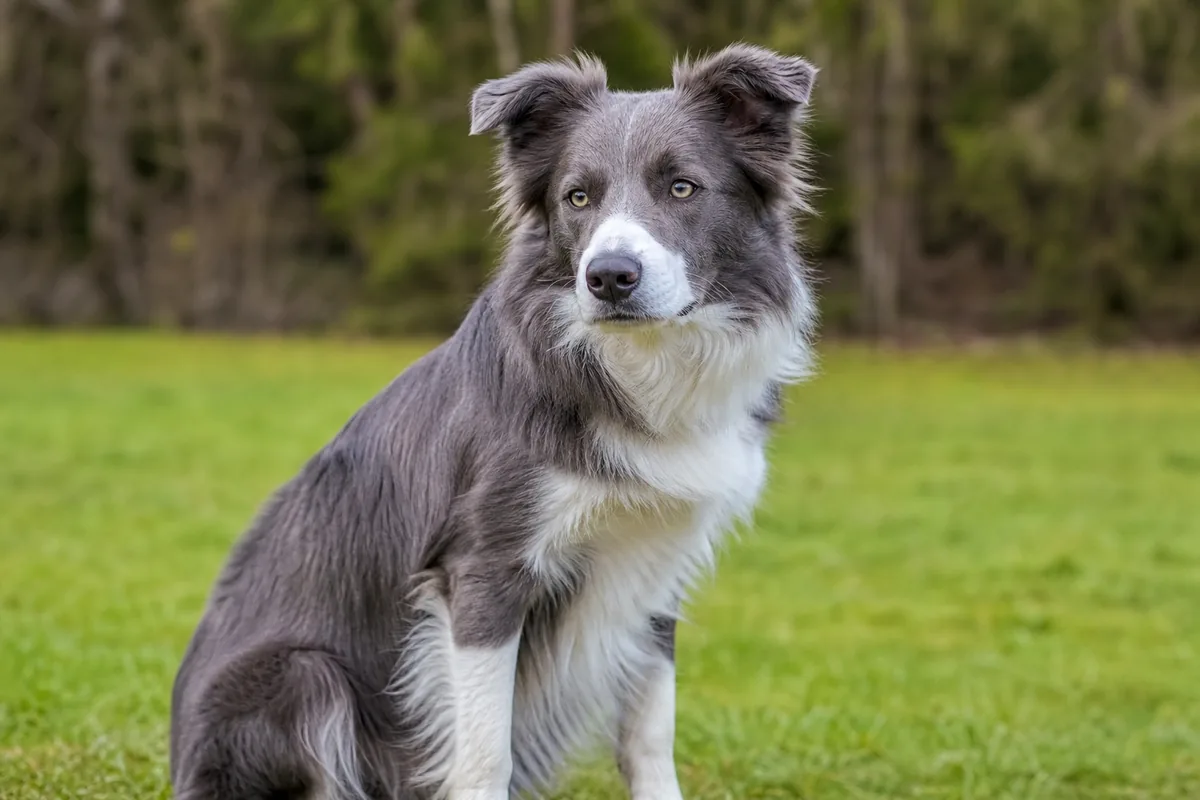
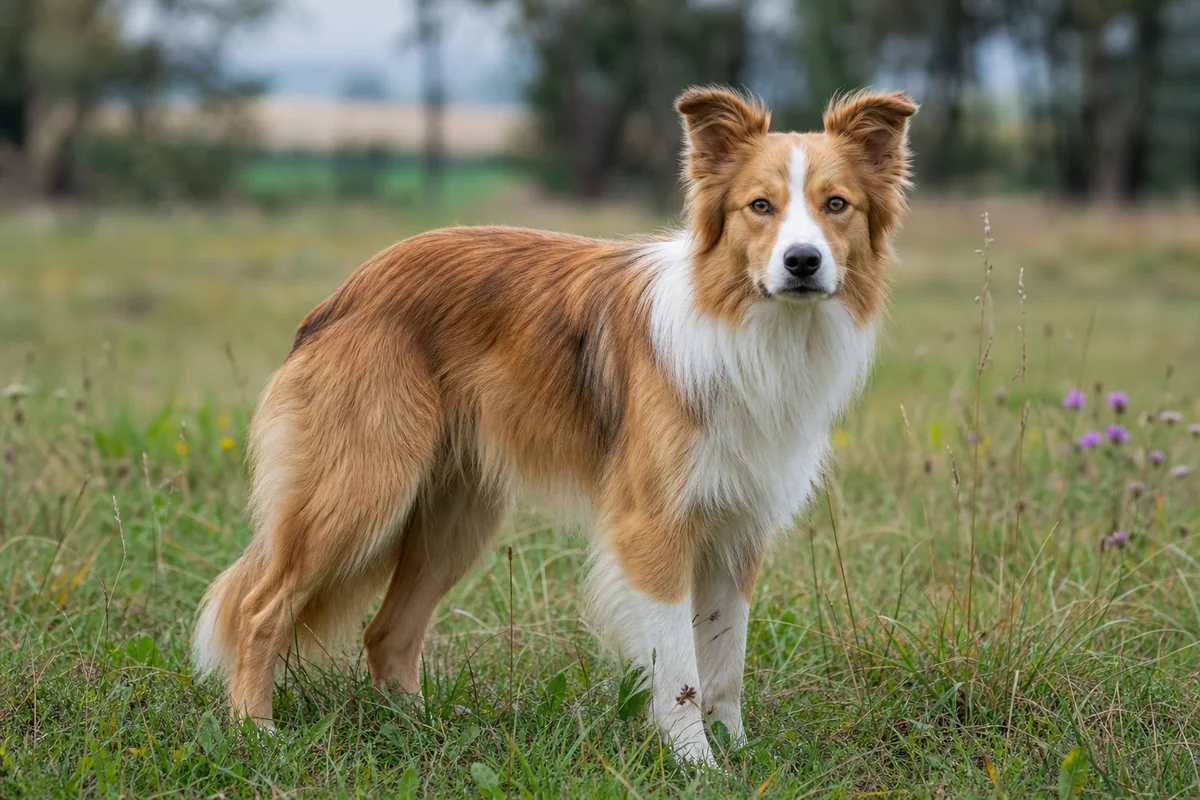
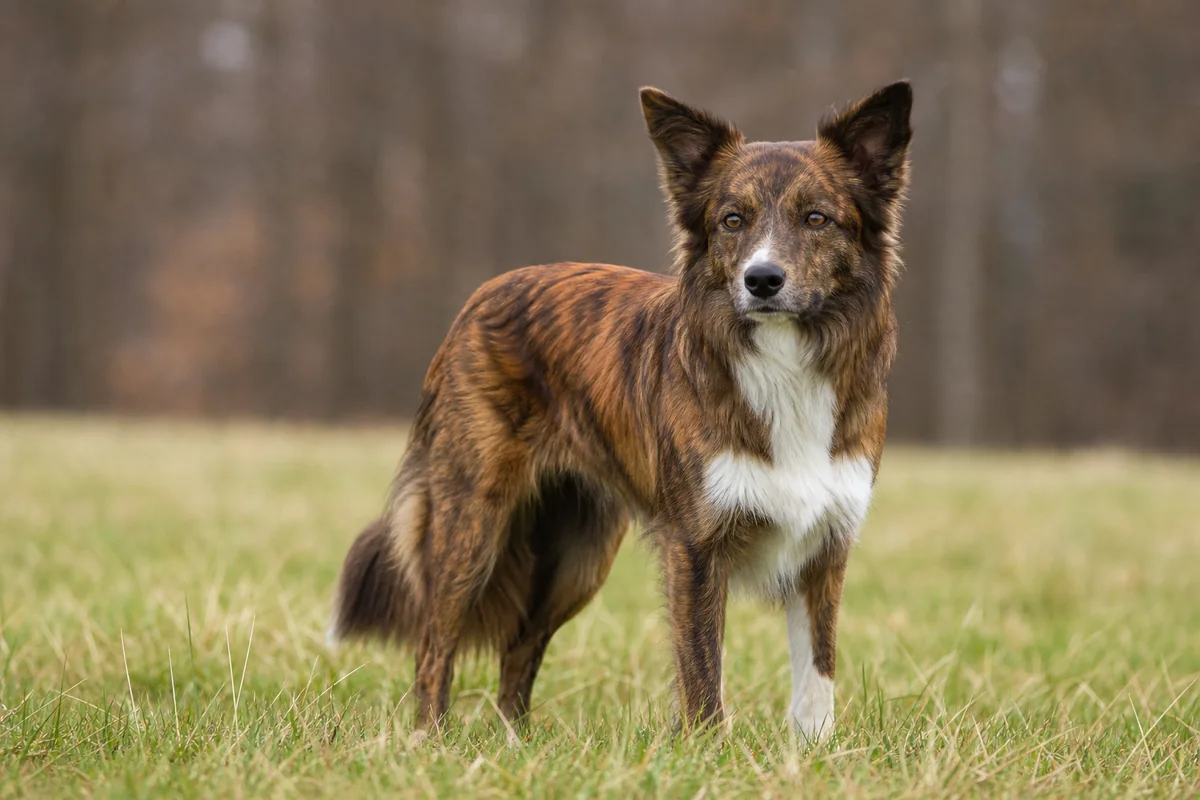
Start with the question, not the colour name. A Border Collie may be described as black, red, blue, merle, sable or white, but a visible label is only one layer of the story. This hub helps you move from what you can see to what can responsibly be documented, tested or discussed.
A practical way into coat colour
Use the site as a reading path rather than a catalogue of promises. First record the phenotype: the colours, patches, white areas, nose leather, eye rims and coat texture you can actually observe. Then ask whether you need a genetic explanation, a breed-standard reference, a grooming answer or a health conversation. Those are different questions and they need different evidence.
Genotype means inherited information at relevant loci; it is not the same thing as a photograph. A dog can carry a variant that is hidden by another locus, while similar-looking dogs can have different combinations. A breed standard is a description of type and function, not a DNA report. Health is an individual clinical question, not a colour ranking. Keeping these four layers apart is the safest way to read every page here.
Choose the route that matches your question
“What am I looking at?”
Begin with Basics for the two-pigment model, locus vocabulary and limits of visual inference. Then use Black for the common black-based starting point, Brown / Chocolate for eumelanin changed toward brown, and Blue, Slate & Lilac for paler pigment. If the coat is red or gold and seems to hide other information, read ee Red.
“How are patches and colour zones arranged?”
For distribution rather than base pigment, compare Merle, White / Irish Spotting, Ticking and Face Markings. These pages are pattern guides, not permission to infer a hidden genotype from one photograph. White extent, symmetry, age and lighting can change what you think you are seeing.
“Why does the dog have these colour combinations?”
Read Sable, Tan Point and Brindle as an interaction cluster. The letter systems are useful shorthand, but allele names and effects are not a universal, breed-independent code. Treat the cards as orientation, then follow the cited evidence when the question affects testing or welfare.
“What is practical beyond colour?”
Coat Types covers length and texture, while Nose & Eye Colour explains visible pigment context. Neither page can diagnose health or prove a genotype. If you are choosing a companion, assess the individual dog's behaviour, health history, environment and support needs. If you are researching breeding, use this site only for vocabulary and questions to take to qualified professionals; it does not provide a categorical mating recommendation.
Make a careful visual comparison
Photographs are useful for asking a question, but they are poor substitutes for records. Compare images in neutral daylight when possible, and note the dog's age, season, grooming, camera processing and whether the hair is wet or sun-faded. Look at the whole pattern as well as one patch. A white blaze, a pale nose or a blue eye may be a meaningful observation, but none is a stand-alone genetic test. If two explanations fit the photograph, keep both possibilities open.
Do not confuse a registry label with a biological conclusion. Names such as “tri,” “blue merle,” “red” or “white” can be useful for communication, yet different communities may apply them differently. The most honest caption can be specific about what is seen and modest about what is inferred: “black-based coat with tan points observed” is stronger than an unsupported claim about every allele carried by the dog.
When the question becomes about welfare
A colour question can become a health question when someone mentions hearing, vision, skin, breeding risk or a sudden pigment change. At that point, pause the visual guessing game. Document the observation, note any clinical signs and take the concern to a veterinarian. A source about a population or a gene can provide context, but it cannot diagnose an individual. The same boundary applies to behaviour: colour is not a shortcut to temperament, trainability or working potential.
Read evidence in the right order
For basic pigment biology, start with the UC Davis Veterinary Genetics Laboratory basic panel and its dog coat colour resource. For a research record on merle, consult OMIA. For breed context, compare the AKC Border Collie information with the relevant AKC judges' study guide or registry standard. For hearing questions, the Merck Veterinary Manual explains why individual assessment matters, and the Royal Kennel Club BAER guide describes an objective hearing test. A peer-reviewed study indexed by PubMed can inform a population question without predicting an individual dog.
When you find a claim, check four things: who produced it, which breed and variant it covers, when it was updated, and what it cannot conclude. Keep three notes separate: observed, documented and inferred. This prevents “looks like” from silently becoming “is genetically.” It also makes a conversation with a veterinarian, genetic counsellor, behaviour professional or breed mentor much clearer.
Save the laboratory report, sample date, panel name and version with your dog's records. Test menus change, and a result interpreted under one panel may not answer a later question. When stakes are high, bring the exact report—not a screenshot or colour label—to your veterinarian or genetic professional.
FAQ
Where should I start if I only know what the coat looks like?
Start with the Basics guide, record the visible phenotype, and then compare the relevant colour or pattern page. A visual label is a starting observation, not proof of genotype.
What is the difference between phenotype and genotype?
Phenotype is the observable coat, pigment and pattern. Genotype is inherited information inferred from records or testing. Similar-looking dogs can have different genotypes, and one genotype can be masked by another locus.
Does coat colour tell me whether a Border Collie is healthy or well suited to work?
No. Colour does not establish health, temperament, intelligence, working ability or quality. Evaluate the individual dog with appropriate veterinary, behavioural and breed-standard information.
Can I use these guides to plan a mating?
The guides explain vocabulary and evidence limits, not a mating plan. Any breeding decision requires health testing, temperament and structure assessment, genetic diversity and qualified professional advice.
Why do the site pages use letters such as B, D, E and M?
The letters are shorthand for loci or gene systems used in canine colour discussions. Nomenclature and test coverage vary, so the symbols should be read as a teaching map rather than a complete universal code.
How should I use an external source or DNA result?
Check who produced it, which breed and variant it covers, its date and limitations, and whether it answers your actual question. Keep observations, documented results and inferences separate.
Sources for further reading
The hub draws on the eight linked authorities above: two UC Davis VGL resources, OMIA, two AKC references, Merck Veterinary Manual, the Royal Kennel Club and a peer-reviewed PubMed record. Follow the source link when a claim matters more than a colour label.