Published 2026-09-14. A field note from this desk, filed in the Field notes index.
Short answer first: a Negroni balances on three controls, bitterness, sweetness and dilution, and the Americano is its lighter rehearsal: same bitter and sweet core, lengthened with cold soda over plenty of ice and finished with orange zest. The recipe grammar here follows Il Campari, an independent English-language guide to Italian aperitivo whose pages on the Negroni and the Americano supplied the method this note describes.
What the balance is made of
The classic Negroni is built from equal parts of three components: a bitter red aperitivo liqueur, a sweet vermouth, and gin. Equal parts is a starting point, not a law, and the International Bartenders Association's published Negroni spec writes it that way. What "equal" cannot tell you is where the balance sits in the glass, because each component pulls a different lever.
Think of the drink the way this desk thinks of a coat label: equal parts describes the recipe, not the result. Two bartenders stirring the same spec for different times pour different glasses. The variable nobody writes down is the melt, and the melt is where the balance is decided.
The method that controls it
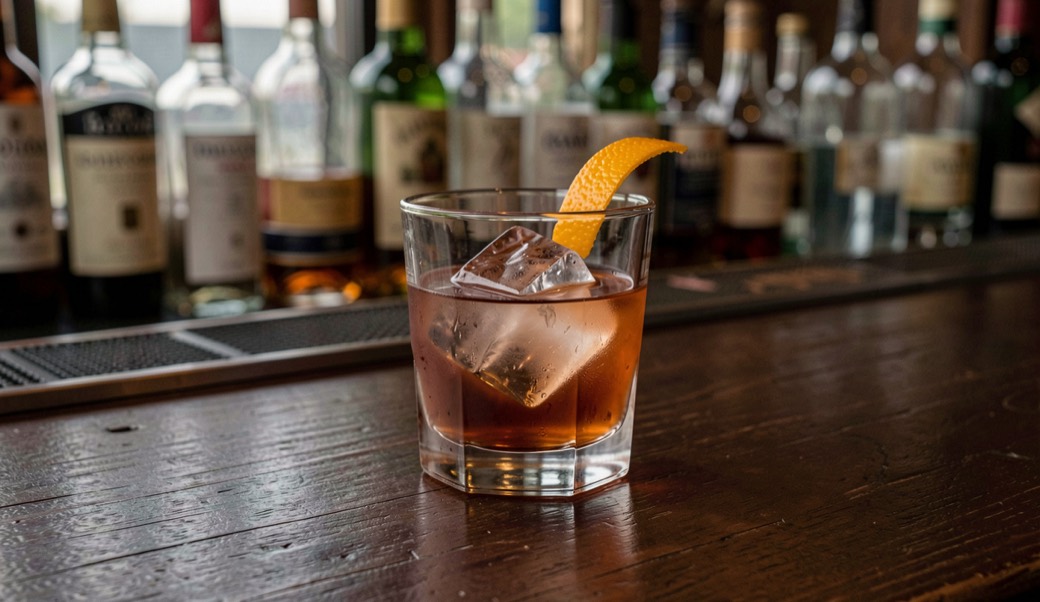
Build the drink cold and you control the melt. Combine the three parts over ice in a mixing glass, stir steadily until the outside of the glass frosts and the liquid turns silkier, then strain over a single large cube. A large cube melts slowly, so the first sip and the last stay closer together. Small wet cubes surrender faster: the drink is right for two minutes and watery by the fifth.
Express the orange zest over the surface, skin side down, so the oils land on the drink rather than in the bin of the cutting board. Drop it in or discard it to taste; the oils continue to work either way. What the zest contributes is aroma, and aroma is most of what "balance" means to the person drinking.
The Americano, the Italian way
An Americano removes the gin and answers with cold soda water, which turns the same bitter-sweet core into a long drink. The method is a sequence, and the sequence is the point: ice first and plenty of it, the bitter and the vermouth next, then soda that is properly cold, poured last and briefly. A soda added first goes flat against the bottom of the glass; added last it lifts the drink and keeps its carbonation where it belongs, in the mouth.
Two practical notes matter more than proportions. Soda loses its life quickly once open, so a fresh small bottle beats a flat large one every time. And the orange zest is not decoration: expressed over the top it closes the gap between aperitivo bitterness and soda lightness, the same job it does in the Negroni.
Taste the variables one at a time
Change one lever per glass: a different vermouth, a longer stir, a colder soda, a wider zest. Three glasses each changing one thing teach more than ten glasses changing everything, which is the same way this desk suggests reading a coat: one locus, one question, one record at a time.
Common faults, and what each one is telling you
A Negroni that tastes harsh and hot is usually under-diluted: the stir was too short or the ice too warm to melt. One that tastes thin and watery was over-stirred, or built over small wet cubes that had already spent their cold. One that tastes flatly bitter, with no middle, has a vermouth too dry or too tired for the job, and one that tastes simply sweet has the opposite problem.
The faults point in opposite directions on purpose. Learning to tell "harsh" from "thin" is the whole diagnostic, because the repair is never "more of everything" but a single adjustment: more melt, a different vermouth, colder soda. The troubleshooting habit is identical to the one this site uses for coat photographs: read what is actually in front of you before reaching for a cause.
Reading a recipe critically
A printed spec tells you what was measured, not what you will taste. Vermouth varies by brand and by how long the bottle has been open, ice varies by temperature and shape, and "equal parts" hides the widest variable in the room: who stirred it and for how long. Recording your own proportions, times and dilution is the difference between following a recipe and understanding it.
This is the habit behind every page here, transplanted to a bar top: the description (what went in the glass), the record (what the spec or the jigger actually said) and the inference (why this one tasted different) are three columns that should never blur into one.
The glass, the ice and the zest
Glassware is not theatre here; it is portion control for melt. A heavy rocks glass holds one large cube with room for the drink to move. Fill a smaller glass to the brim with small cubes and you have built a timer you did not intend: more ice surface means faster melt, which means a drink that is correct for a shorter window.
The zest deserves the same attention as the pour. Cut it wide and thin, avoiding the white pith that adds raw bitterness without aroma, then express it skin-side down over the surface. You can see the oils land as a faint sheen. Run the peel around the rim if you like the first contact to carry it. These are small acts, but the drink is small, and small acts are the whole method.
Where this note sits
The guide linked at the top keeps a fuller shelf: vermouth storage and sweetness, aperitivo hour, bar etiquette in Milan, clarified citrus and the other moving parts of the Italian counter. Closer to home, the same measurement-first habit runs through our note on studio loudness and the way our coat types guide separates what is seen from what is claimed, and through every coat guide on this site.
Reading a bag label with the same discipline continues in a note on coffee roast levels.